


Hey there! As a lifting sling supplier, I often get asked a bunch of questions from customers. One question that pops up quite a bit is, "Can a lifting sling be used in wet conditions?" It's a valid concern, especially considering how many different work environments out there involve some level of moisture. So, let's dig into this topic and see what we can find out.
First off, we need to understand the different types of lifting slings available. There are a few common ones, like synthetic slings, chain slings, and wire rope slings. Each type has its own set of characteristics, and these characteristics play a huge role in determining whether they can be used in wet conditions.
Let's start with synthetic slings. These slings are made from materials like nylon or polyester. They're lightweight, flexible, and easy to handle. One of the great things about synthetic slings is that they can actually withstand wet conditions pretty well. Nylon, for example, has good resistance to water. It won't rust or corrode like some other materials. However, it's important to note that prolonged exposure to water can weaken the fibers over time. If you're using a synthetic sling in wet conditions, you should dry it out properly after use. This helps to prevent any potential damage and ensures that the sling maintains its strength.
Chain slings are another popular option. They're known for their durability and high strength. But when it comes to wet conditions, chain slings can be a bit more of a challenge. Chains are made of metal, and metal rusts when it comes into contact with water. Rust can weaken the links of the chain, which is a big safety concern. If you have to use a chain sling in wet conditions, you need to make sure it's made from a corrosion - resistant material, like stainless steel. And even then, regular inspections and proper maintenance are a must. You should clean and lubricate the chain regularly to prevent rust from forming.

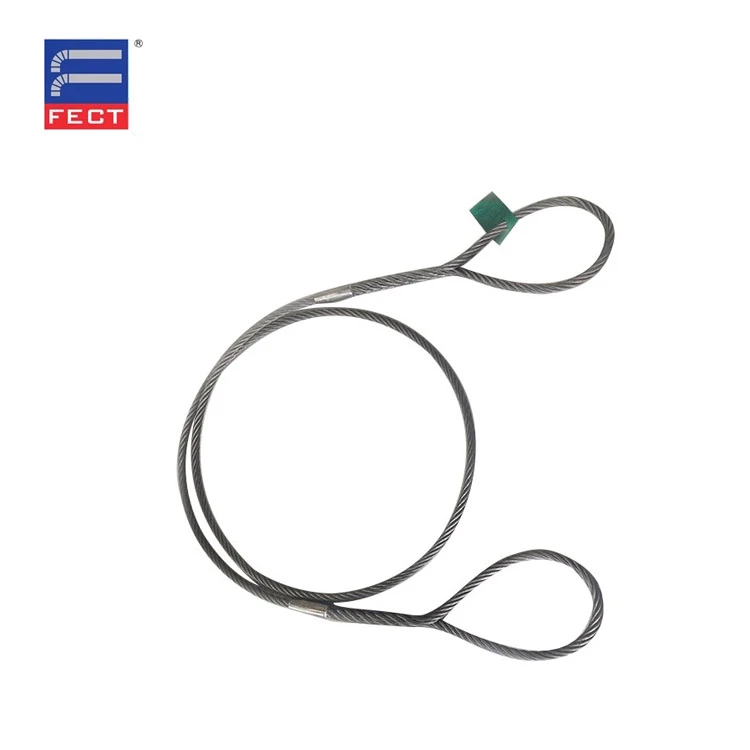
Now, let's talk about wire rope slings. Wire rope slings are widely used in the lifting industry because of their strength and versatility. We offer a variety of wire rope slings on our website, such as Pressed and Spliced Wire Sling, Spliced Steel Wire Rope Sling, and Steel Wire Rope Slings for Lifting.
Wire ropes are made up of multiple strands of steel wire. When exposed to water, these wires can start to corrode. Corrosion can cause the wires to break, which is extremely dangerous when you're using the sling to lift heavy loads. Just like with chain slings, using a wire rope sling made from a corrosion - resistant material is a good idea. Some wire ropes are coated with a protective layer to prevent corrosion. But again, regular inspections are crucial. You need to check for any signs of rust or wire breakage before and after each use.
Another factor to consider when using lifting slings in wet conditions is the type of load you're lifting. If the load is heavy or has sharp edges, it can put extra stress on the sling. In wet conditions, this stress can be even more of an issue. For example, a wet synthetic sling might be more prone to slipping off a load with sharp edges. You need to make sure that the sling is properly rated for the load and that you're using the right type of hitch.
Safety is always the top priority when using lifting slings. In wet conditions, visibility can also be a problem. You might not be able to see the sling clearly, which can make it difficult to detect any damage. That's why it's important to have good lighting in the work area. And if possible, use a spotter to help you keep an eye on the sling during the lifting operation.
Training is also key. All workers who are using lifting slings in wet conditions should be properly trained. They need to know how to inspect the sling for damage, how to handle it safely, and what to do in case of an emergency. A little bit of training can go a long way in preventing accidents.
Now, let's talk about the benefits of using our lifting slings, even in wet conditions. Our slings are made from high - quality materials. We take extra steps to ensure that our wire rope slings and chain slings are resistant to corrosion. And our synthetic slings are designed to maintain their strength even when wet. We also offer a wide range of sizes and configurations to meet your specific needs.
If you're in the market for a lifting sling and you're dealing with wet conditions, don't hesitate to reach out to us. We can help you choose the right sling for your application. Whether you need a Pressed and Spliced Wire Sling for a heavy - duty job or a synthetic sling for a more delicate load, we've got you covered.
In conclusion, while it is possible to use a lifting sling in wet conditions, it's not without its challenges. You need to choose the right type of sling, take proper precautions, and perform regular maintenance. By doing so, you can ensure the safety and efficiency of your lifting operations. So, if you have any questions or if you're ready to make a purchase, feel free to contact us. We're here to help you find the best lifting solution for your needs.
References:
- Industry standards for lifting slings
- Manufacturer's guidelines for different types of lifting slings


