


Hey there! I'm a supplier of Fire Sprinkler Flex Hose, and I often get asked about how to ensure proper grounding of these hoses. It's a crucial aspect that can't be overlooked when it comes to the safety and functionality of fire sprinkler systems. In this blog, I'll share some insights on how to make sure your fire sprinkler flex hose is properly grounded.
First off, let's understand why grounding is so important. A fire sprinkler flex hose is designed to carry water under pressure to the sprinkler heads in case of a fire. During normal operation and especially in the event of a fire, there can be electrical charges that build up in the system. Without proper grounding, these electrical charges can cause static electricity, which might lead to sparks. And as you can imagine, sparks in a fire - prone environment are a big no - no. They could potentially ignite flammable materials and make a bad situation even worse.
Now, when it comes to grounding a Fire Sprinkler Flex Hose Fire Sprinkler Flex Hose, there are a few key steps to follow.
Step 1: Choose the Right Grounding Material
The first thing you need is the right grounding material. A good choice is a copper grounding conductor. Copper is an excellent conductor of electricity, which means it can effectively carry any electrical charges away from the hose. You can find copper grounding conductors in different gauges. For most fire sprinkler flex hoses, a 6 - gauge or 8 - gauge copper conductor is usually sufficient. But it's always a good idea to check the local electrical codes and the manufacturer's recommendations.

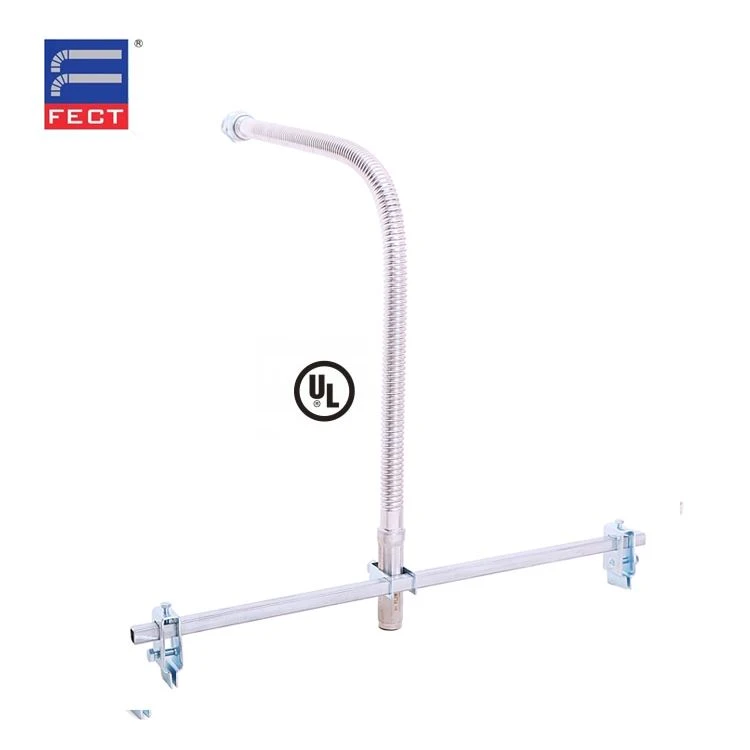
Step 2: Connect the Grounding Conductor to the Hose
Once you have the grounding conductor, you need to connect it to the fire sprinkler flex hose. There are a couple of ways to do this. One common method is to use a grounding clamp. A grounding clamp is a device that can securely attach the copper conductor to the hose. Make sure the clamp is made of a conductive material, like stainless steel, so that it can transfer the electrical charges properly.
To attach the clamp, first, clean the surface of the hose where you're going to place the clamp. Any dirt, grease, or paint on the hose can interfere with the electrical connection. Then, open the grounding clamp and place it around the hose. Tighten the clamp firmly so that it makes good contact with the hose. You might need to use a wrench to ensure a proper fit.
Step 3: Connect the Other End of the Grounding Conductor to a Grounding Point
After connecting the grounding conductor to the hose, you need to connect the other end of the conductor to a proper grounding point. A grounding point is a place where the electrical charges can be safely dissipated into the ground. This could be a grounding rod that's driven into the earth.
Grounding rods are typically made of copper - clad steel and are at least 8 feet long. They need to be installed properly in the ground. You'll need to dig a hole and drive the rod into the ground until it's fully buried. Then, connect the copper conductor from the hose to the grounding rod using another grounding clamp. Just like with the hose, make sure the connection is tight and clean.
Step 4: Check the Grounding Connection Regularly
Grounding is not a one - time thing. You need to check the grounding connection regularly to make sure it's still working properly. Over time, the connections can loosen, or the grounding conductor can get damaged. You can use a grounding resistance tester to check the resistance of the grounding system. A low resistance indicates a good grounding connection.
If you find that the resistance is too high, it could mean that there's a problem with the connection. You might need to tighten the clamps, replace a damaged conductor, or check the grounding rod to make sure it's still properly installed.
Special Considerations for Stainless Steel Flexible Fire Sprinkler Hose
If you're dealing with a Stainless Steel Flexible Fire Sprinkler Hose Stainless Steel Flexible Fire Sprinkler Hose, there are a few additional things to keep in mind. Stainless steel is a good conductor, but it can form a layer of oxidation on its surface over time. This oxidation layer can act as an insulator and reduce the effectiveness of the grounding.
To prevent this, you can use a conductive paste when attaching the grounding clamp to the stainless steel hose. The paste can help break through the oxidation layer and improve the electrical connection. Also, make sure to clean the stainless steel surface regularly to remove any oxidation that might have formed.
Fire Sprinkler Flexible Hose and Grounding in Different Environments
The environment where the fire sprinkler flex hose is installed can also affect the grounding. For example, in a humid environment, there's a higher risk of corrosion. Corrosion can damage the grounding conductor and the connections. To protect against corrosion, you can use a corrosion - resistant coating on the grounding conductor and clamps.
In a high - traffic area, the hose and the grounding system might be more prone to physical damage. You'll need to take extra precautions to protect the grounding components. You could use protective covers or enclosures to prevent accidental damage.
Importance of UL Certification
When you're buying a Fire Sprinkler Flexible Hose Fire Sprinkler Flexible Hose, it's important to look for a UL - certificated product. UL (Underwriters Laboratories) is an independent organization that tests and certifies products for safety. A UL - certificated hose means that it has met certain safety standards, including those related to grounding.
Using a UL - certificated hose gives you an extra level of confidence that the hose is designed and manufactured to work properly in a fire sprinkler system. It also helps ensure that your grounding efforts are in line with industry - recognized safety practices.
Working with Professionals
If you're not sure about how to ground a fire sprinkler flex hose, it's always a good idea to work with a professional. An electrical contractor or a fire protection engineer has the knowledge and experience to properly install and maintain the grounding system. They can also help you comply with all the local codes and regulations.
In conclusion, proper grounding of a fire sprinkler flex hose is essential for the safety of your building and its occupants. By following these steps and taking the necessary precautions, you can ensure that your fire sprinkler system is well - grounded and ready to handle any fire situation.
If you're in the market for high - quality fire sprinkler flex hoses, we're here to help. We offer a wide range of UL - certificated Fire Sprinkler Flex Hoses that are designed to meet the highest safety standards. Whether you're working on a small commercial project or a large industrial building, we can provide you with the right product for your needs. Contact us to start a procurement discussion and let's work together to keep your property safe.
References
- National Fire Protection Association (NFPA) codes related to fire sprinkler systems and electrical grounding.
- Underwriters Laboratories (UL) standards for fire sprinkler hoses.
- Manufacturer's installation and maintenance guides for fire sprinkler flex hoses.


