

Ensuring that a lifting sling is properly tensioned before lifting is crucial for maintaining safety and efficiency in any lifting operation. As a reputable Lifting Sling supplier, I understand the significance of this step and have extensive experience in providing high - quality slings for various industries. In this blog, I'll share some key steps and considerations on how to ensure proper tensioning of lifting slings.
Understanding the Basics of Lifting Sling Tensioning
Before we delve into the process of tensioning, it's essential to understand what proper tensioning means. A properly tensioned lifting sling evenly distributes the load across its length and width, preventing excessive stress on any single point. This not only ensures the safety of the load but also extends the lifespan of the sling.
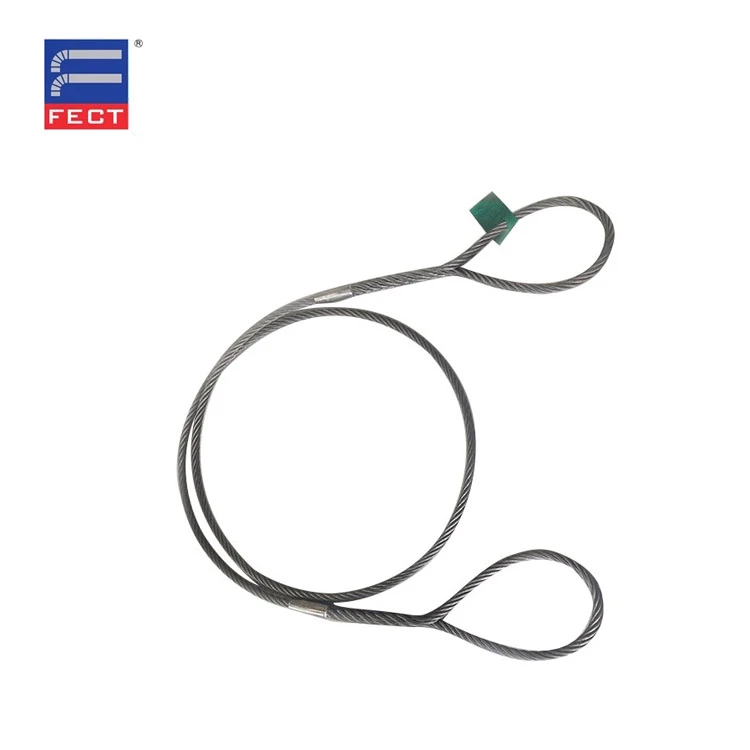
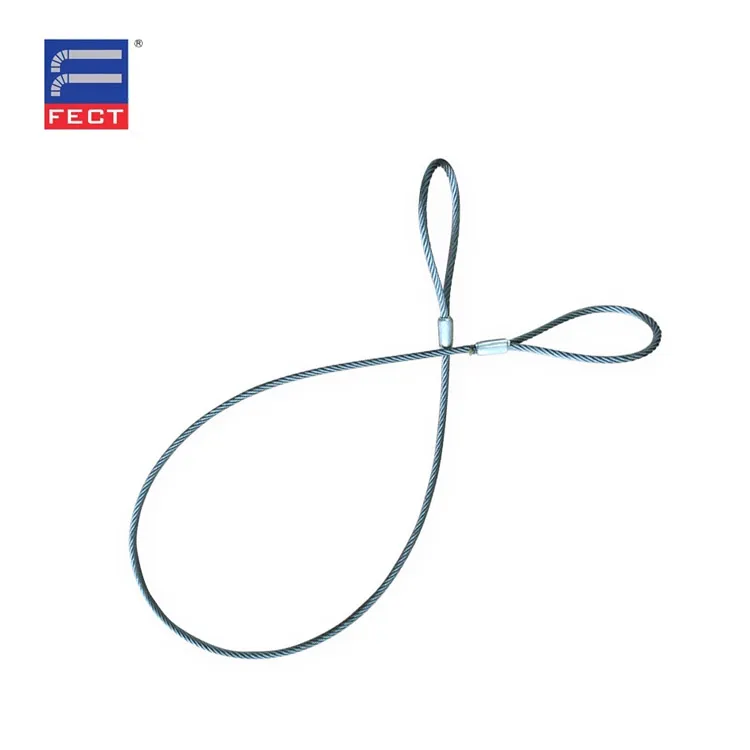
Pre - Lifting Inspection
The first step in ensuring proper tensioning is a thorough pre - lifting inspection. This inspection should cover all aspects of the sling, including its overall condition, any signs of wear and tear, and the integrity of its connections.
- Visual Inspection: Carefully examine the sling for cuts, abrasions, broken wires, or any other visible damage. For wire rope slings, such as Pressed and Spliced Wire Sling and Pressed Wire Rope Slings, look for signs of corrosion or deformation. Any damaged sling should be immediately removed from service and replaced.
- Check the Fittings: Inspect all fittings, such as hooks, shackles, and eyelets, for proper alignment and functionality. Make sure they are free from cracks, bends, or other defects that could affect the tensioning process.
Selecting the Right Sling for the Job
Choosing the appropriate sling for the specific lifting task is fundamental to achieving proper tensioning. Consider the following factors:
- Load Capacity: The sling must have a rated capacity that exceeds the weight of the load to be lifted. Overloading a sling can lead to improper tensioning and potential failure.
- Sling Configuration: Different lifting scenarios may require different sling configurations, such as single - leg, multi - leg, or bridle slings. For example, Wire Rope Cable Laid Sling is suitable for certain types of loads and lifting angles. Select the configuration that best suits the shape, size, and center of gravity of the load.
- Lifting Angle: The angle at which the sling is attached to the load significantly affects the tension in the sling. As the lifting angle decreases, the tension in the sling increases. Use load charts provided by the sling manufacturer to determine the appropriate sling capacity based on the lifting angle.
Proper Attachment of the Sling
Once you have selected the right sling, proper attachment is crucial for achieving even tension distribution.
- Centering the Load: Ensure that the load is centered within the sling to prevent uneven loading. This can be achieved by using spreader bars or other load - balancing devices if necessary.
- Correct Attachment Points: Attach the sling to the load at the designated attachment points. These points should be strong enough to withstand the forces exerted during lifting and should be located in a way that allows for even tension distribution.
- Avoiding Twists and Kinks: Make sure the sling is not twisted or kinked during attachment. Twists and kinks can cause uneven tension and reduce the sling's load - carrying capacity.
Tensioning the Sling
After the sling is properly attached to the load, it's time to tension it.
- Gradual Tensioning: Start applying tension to the sling gradually. This allows you to monitor the load and the sling's behavior as the tension increases. Sudden or excessive tension can cause the load to shift or the sling to fail.
- Using Tensioning Devices: In some cases, tensioning devices such as chain hoists, winches, or hydraulic jacks may be required to achieve the proper tension. These devices should be operated according to the manufacturer's instructions and should be properly calibrated.
- Monitoring the Tension: Use tension - measuring devices, such as load cells or dynamometers, to monitor the tension in the sling during the lifting process. This ensures that the tension remains within the safe operating range.
Post - Tensioning Checks
Once the sling is tensioned, perform a final set of checks to ensure everything is in order.
- Visual Inspection: Re - inspect the sling and the load for any signs of movement, shifting, or abnormal stress. Check the fittings and connections to make sure they are still secure.
- Tension Verification: Double - check the tension in the sling using the tension - measuring device. Compare the measured tension with the recommended values based on the load and the sling's specifications.
- Stability Check: Ensure that the load is stable and balanced. If the load shows any signs of instability, adjust the tension or the attachment points as necessary.
Training and Certification
Proper tensioning of lifting slings requires knowledge and skills. It's essential to provide training to all personnel involved in the lifting operation. Training should cover topics such as sling selection, inspection, attachment, tensioning, and safety procedures. Additionally, consider obtaining certification for your lifting operations to demonstrate compliance with industry standards.
Documentation
Maintain detailed documentation of all lifting operations, including the type of sling used, the load weight, the lifting angle, the tension readings, and any inspections or maintenance performed. This documentation can be used for future reference, quality control, and compliance purposes.
Conclusion
Ensuring proper tensioning of lifting slings is a multi - step process that requires careful planning, inspection, and monitoring. By following the steps outlined in this blog, you can minimize the risk of accidents and ensure the safe and efficient operation of your lifting equipment. As a Lifting Sling supplier, I am committed to providing high - quality slings and supporting our customers with the knowledge and resources they need to perform proper lifting operations.
If you are in the market for reliable lifting slings or need further advice on sling tensioning and lifting safety, I encourage you to contact us for a detailed discussion and to explore our wide range of products. Let's work together to ensure the success of your lifting operations.
References
- ASME B30.9 - Safety Standard for Slings
- OSHA Regulations on Lifting Operations
- Manufacturer's Guidelines for Lifting Sling Use and Maintenance