


Hey there! As a lifting sling supplier, I often get asked by customers, "How do I know if a lifting sling is certified?" It's a crucial question because using non - certified slings can lead to serious safety hazards. In this blog, I'll break down the key points to help you figure out if a lifting sling meets the necessary standards.

1. Understanding Certification Basics
First things first, what does it mean for a lifting sling to be certified? Certification is like a stamp of approval from a recognized authority that the sling has met specific quality and safety requirements. These requirements can vary depending on the country, industry, and the type of lifting operation.
There are different types of certifications out there. For example, in the United States, the Occupational Safety and Health Administration (OSHA) has regulations regarding lifting equipment, including slings. In the European Union, the CE marking indicates that the product complies with EU safety, health, and environmental protection requirements.
2. Look for Certifying Marks
One of the easiest ways to tell if a lifting sling is certified is to look for the relevant certifying marks on the sling itself or its accompanying documentation.
- CE Marking: If you're in Europe or dealing with products that are supposed to meet EU standards, the CE mark is a big giveaway. It's usually printed on a label attached to the sling or on the product packaging. This mark shows that the manufacturer has declared the sling conforms to the relevant EU directives.
- ASME B30.9: In the US, slings should comply with the ASME B30.9 standard. A sling that meets this standard might have a tag indicating its compliance. The tag will also include important information like the sling's rated capacity, type of construction, and any special handling instructions.
3. Check the Documentation
Certified slings come with proper documentation. This is like the sling's birth certificate, providing details about its manufacturing process, testing results, and compliance with standards.
- Test Certificates: A good supplier will provide test certificates for each sling. These certificates show that the sling has undergone various tests, such as load testing, to ensure it can handle the specified weight. The test certificate will have information about the test date, the test method used, and the results.
- Manufacturer's Declaration: The manufacturer should issue a declaration stating that the sling meets the relevant standards. This declaration is a legal document that backs up the product's quality and compliance.
4. Evaluate the Manufacturer
The reputation and credibility of the manufacturer play a huge role in determining if a lifting sling is certified.
- Industry Reputation: Do some research on the manufacturer. Check online reviews, industry forums, and ask other professionals in the lifting industry about their experiences with the brand. A well - known and respected manufacturer is more likely to produce certified and high - quality slings.
- Manufacturing Processes: The way a sling is made matters. Reputable manufacturers follow strict manufacturing processes and quality control measures. They use high - grade materials and modern production techniques. For example, our company ensures that all our Pressed and Spliced Wire Sling are made using the latest equipment and adhere to the highest safety standards.
5. Verify Third - Party Testing
Many certifications require that slings are tested by an independent third - party organization. This adds an extra layer of credibility to the certification process.
- Accredited Testing Labs: Look for slings that have been tested by accredited labs. These labs are recognized by relevant authorities and have the expertise and equipment to conduct accurate tests. The test report from an accredited lab is a strong indication of the sling's certification.
- Recertification: Some slings need to be recertified after a certain period of use. This is to ensure that they still meet the safety standards over time. A reliable supplier will provide information about recertification and may even offer recertification services.
6. Consider the Type of Sling
Different types of slings have different certification requirements. Let's take a look at a few common types:
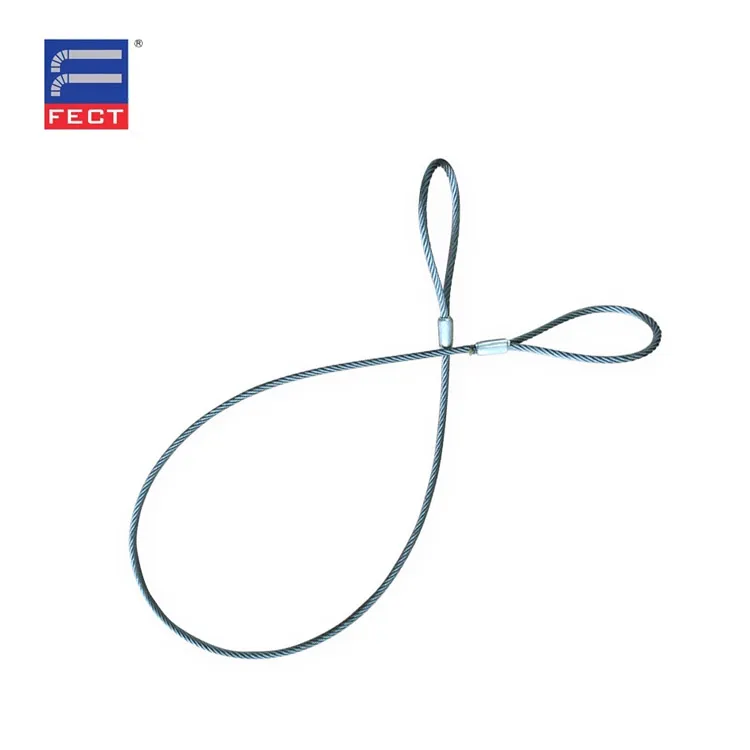
- Wire Rope Slings: For Pressed Wire Rope Slings, they need to meet specific standards regarding the wire rope material, the pressing process, and the overall strength. The certification will also take into account factors like the sling's flexibility and resistance to wear and tear.
- Spliced Steel Wire Rope Sling: Spliced Steel Wire Rope Sling have their own set of requirements. The splicing method is crucial, as it affects the sling's strength and reliability. Certified spliced slings will have been tested to ensure that the splice holds up under heavy loads.
In conclusion, determining if a lifting sling is certified involves a combination of checking for marks, reviewing documentation, evaluating the manufacturer, verifying third - party testing, and considering the type of sling. As a lifting sling supplier, I understand the importance of providing customers with certified products. Safety is our top priority, and we're committed to ensuring that all our slings meet the highest industry standards.
If you're in the market for high - quality certified lifting slings, we'd love to have a chat. Whether you have questions about our products, certifications, or need help choosing the right sling for your application, don't hesitate to reach out. Let's work together to find the perfect solution for your lifting needs.
References
- Occupational Safety and Health Administration (OSHA): Safety and Health Standards for Lifting Equipment
- American Society of Mechanical Engineers (ASME): B30.9 Standard for Slings
- European Union Directives on Lifting Equipment and Personal Protective Equipment


