


As a seasoned supplier of lifting slings, I've witnessed firsthand the challenges that cold weather poses to these essential pieces of equipment. Freezing temperatures can cause a range of issues for lifting slings, from reduced flexibility to potential structural damage. In this blog post, I'll share some practical strategies on how to prevent a lifting sling from freezing in cold weather, ensuring its optimal performance and longevity.
Understanding the Risks of Freezing
Before delving into prevention methods, it's crucial to understand why freezing is such a concern for lifting slings. When a sling freezes, the moisture within its fibers or structure turns to ice. This ice can increase the weight of the sling, making it more difficult to handle and potentially overloading the lifting equipment. Additionally, the expansion of ice can cause the fibers to break or the metal components to crack, compromising the sling's strength and safety.
Selecting the Right Sling for Cold Weather
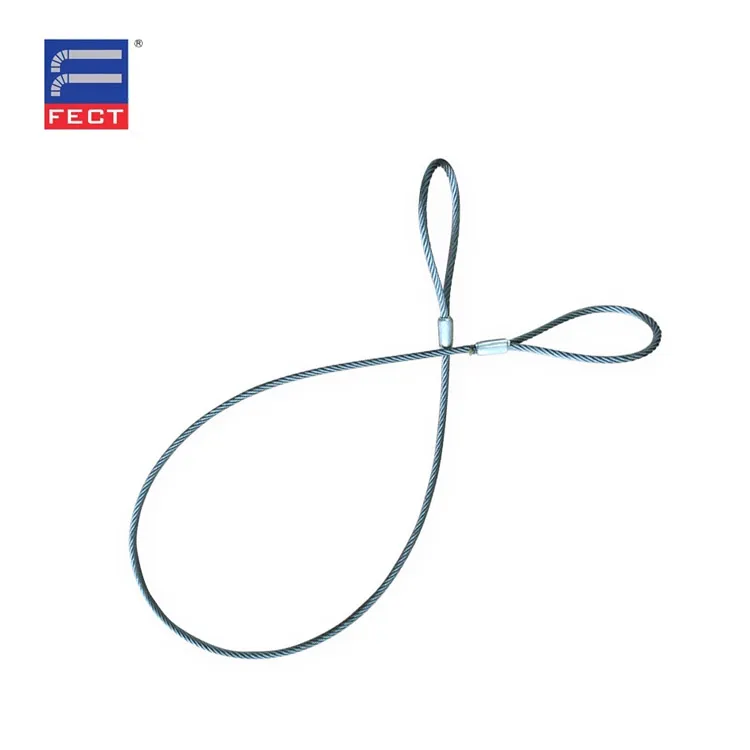
One of the first steps in preventing freezing is choosing the appropriate lifting sling for cold-weather conditions. Different types of slings have varying levels of resistance to cold temperatures. For instance, Pressed Wire Rope Slings are generally more resistant to freezing compared to synthetic slings. The steel construction of wire rope slings provides better protection against the effects of ice and cold, as it is less likely to absorb moisture and freeze.
Another option is Spliced Steel Wire Rope Sling. These slings are designed with a spliced construction that enhances their strength and durability in cold weather. The splicing process creates a more secure connection between the wire ropes, reducing the risk of ice penetration and damage.
Spliced Steel Wire Rope Sling are also a popular choice for cold-weather applications. They offer a high level of strength and flexibility, making them suitable for a wide range of lifting tasks. The steel wire ropes used in these slings are typically coated with a protective layer to prevent corrosion and freezing.
Proper Storage and Maintenance
Proper storage and maintenance are essential for preventing lifting slings from freezing. When not in use, slings should be stored in a dry, warm environment. This helps to prevent moisture from accumulating on the slings and freezing. If possible, store the slings in a heated storage facility or a covered area.
Before storing the slings, make sure they are clean and dry. Remove any dirt, debris, or moisture from the slings using a clean cloth or brush. If the slings are wet, allow them to dry completely before storing them. This will help to prevent the formation of ice and reduce the risk of damage.
Regular maintenance is also important for ensuring the longevity of lifting slings in cold weather. Inspect the slings regularly for signs of wear, damage, or corrosion. Look for any frayed fibers, broken wires, or cracks in the metal components. If any issues are detected, replace the sling immediately to prevent further damage and ensure safety.
Applying Anti-Freeze Agents
In some cases, applying anti-freeze agents can help to prevent lifting slings from freezing. There are several types of anti-freeze agents available on the market, including lubricants, coatings, and sprays. These agents work by creating a protective barrier on the surface of the sling, preventing moisture from freezing.
When applying anti-freeze agents, it's important to follow the manufacturer's instructions carefully. Make sure to apply the agent evenly to all parts of the sling, including the fibers, wires, and connectors. Avoid applying too much agent, as this can cause the sling to become slippery and reduce its grip.
Using Insulation and Heating Devices
In extreme cold weather conditions, using insulation and heating devices can provide an extra layer of protection for lifting slings. Insulation materials, such as foam or rubber, can be wrapped around the sling to help retain heat and prevent freezing. This is particularly useful for slings that are exposed to the elements for extended periods of time.
Heating devices, such as heat tapes or heating pads, can also be used to keep the slings warm. These devices can be attached to the sling or placed near it to provide a constant source of heat. However, it's important to use heating devices with caution, as they can pose a fire hazard if not used properly. Make sure to follow the manufacturer's instructions and use the devices in a well-ventilated area.
Training and Education
Finally, training and education are crucial for ensuring the safe use of lifting slings in cold weather. All personnel who handle lifting slings should be trained on the proper procedures for preventing freezing and maintaining the slings. This includes understanding the risks of freezing, selecting the right sling for the job, and following proper storage and maintenance practices.
Provide training sessions and educational materials to your employees to ensure they are aware of the importance of cold-weather safety. Encourage them to ask questions and report any issues or concerns they may have. By investing in training and education, you can help to prevent accidents and ensure the safety of your employees and equipment.
Conclusion
Preventing lifting slings from freezing in cold weather is essential for ensuring their optimal performance and longevity. By selecting the right sling for the job, storing and maintaining the slings properly, applying anti-freeze agents, using insulation and heating devices, and providing training and education, you can minimize the risks of freezing and keep your slings in good condition.
If you're in the market for high-quality lifting slings that are suitable for cold-weather applications, Pressed Wire Rope Slings, Spliced Steel Wire Rope Sling, and Steel Wire Rope Slings for Lifting are all excellent options. Contact us today to learn more about our products and how we can help you meet your lifting needs in cold weather.

References
- "Cold Weather Effects on Lifting Equipment," Occupational Safety and Health Administration (OSHA)
- "Lifting Sling Selection and Use," American Society of Mechanical Engineers (ASME)
- "Wire Rope Sling Handbook," Wire Rope Technical Board (WRTB)


