


Hey there! As a lifting sling supplier, I've seen my fair share of issues when it comes to slings slipping on loads. It's a problem that can lead to some serious safety hazards and costly damages. So, in this blog post, I'm gonna share some tips on how to prevent a lifting sling from slipping on the load.
Understanding the Basics
First off, it's important to understand why slings slip in the first place. There are a few common reasons for this. One of the main causes is improper selection of the sling. If the sling isn't the right type or size for the load, it's more likely to slip. For example, using a sling with a lower working load limit than the weight of the load is a recipe for disaster.
Another reason is poor rigging techniques. If the sling isn't properly attached to the load or the lifting equipment, it can shift and slip during the lifting process. And let's not forget about the condition of the load itself. A smooth or oily surface can reduce the friction between the sling and the load, making it easier for the sling to slide off.
Choosing the Right Sling
The first step in preventing sling slippage is to choose the right sling for the job. At our company, we offer a wide range of lifting slings, including Pressed Wire Rope Slings, Wire Rope Cable Laid Sling, and Pressed and Spliced Wire Sling. Each type of sling has its own unique features and benefits, so it's important to select the one that's best suited for your specific application.
When choosing a sling, consider the following factors:
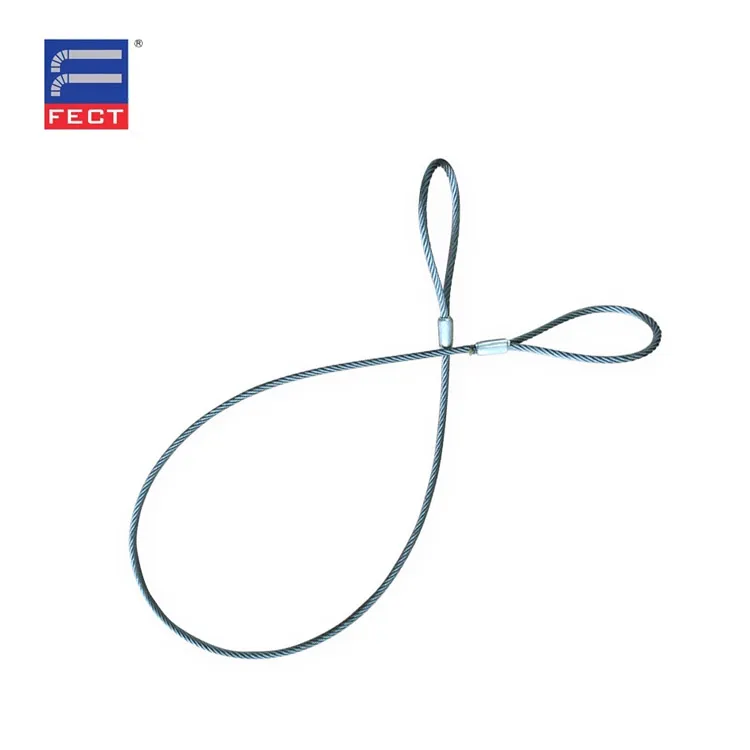
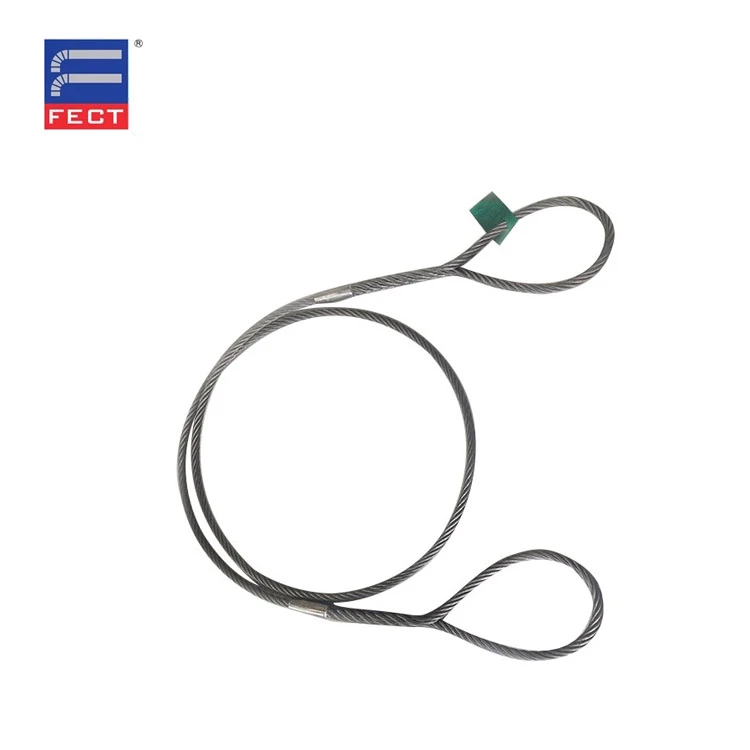
- Load Weight and Size: Make sure the sling has a working load limit that's higher than the weight of the load. Also, consider the dimensions of the load to ensure the sling can properly wrap around it.
- Load Shape and Surface: If the load has a smooth or irregular surface, you may need a sling with a higher friction coefficient. Some slings come with special coatings or textures to increase grip.
- Lifting Environment: Think about the conditions in which the lifting will take place. If it's a wet or corrosive environment, you'll need a sling that's resistant to rust and damage.
Proper Rigging Techniques
Once you've chosen the right sling, it's crucial to use proper rigging techniques to prevent slippage. Here are some tips to keep in mind:
- Inspect the Sling: Before using the sling, carefully inspect it for any signs of damage, such as cuts, abrasions, or broken wires. If you notice any issues, don't use the sling and replace it immediately.
- Position the Sling Correctly: Make sure the sling is centered and evenly distributed around the load. Avoid placing the sling at an angle or in a way that puts excessive stress on one side.
- Use Proper Attachment Points: Attach the sling to the load using the appropriate attachment points. These points should be strong enough to support the weight of the load and should be designed to prevent the sling from slipping off.
- Tighten the Sling: Once the sling is attached to the load, tighten it securely to ensure a snug fit. You can use a tensioning device or a knot to keep the sling in place.
Increasing Friction
In some cases, you may need to take additional steps to increase the friction between the sling and the load. Here are a few methods you can try:
- Use Sling Protectors: Sling protectors are made of materials like rubber or neoprene and can be placed between the sling and the load to increase grip. They also help protect the sling from damage.
- Apply Friction-Enhancing Coatings: There are special coatings available that can be applied to the sling or the load to increase friction. These coatings are designed to provide a non-slip surface and can be especially useful for smooth or oily loads.
- Add Traction Devices: Some slings come with built-in traction devices, such as cleats or teeth, that help grip the load. You can also use external traction devices, like chains or straps, to secure the sling in place.
Regular Maintenance and Inspection
Finally, regular maintenance and inspection of your lifting slings are essential to prevent slippage. Here's what you should do:
- Clean the Slings: After each use, clean the slings to remove any dirt, debris, or oil. This will help maintain the integrity of the sling and prevent corrosion.
- Store the Slings Properly: When not in use, store the slings in a dry, clean place away from direct sunlight and heat. Avoid storing them in a way that could cause them to become twisted or damaged.
- Inspect the Slings Regularly: Conduct regular inspections of the slings to check for any signs of wear and tear. Look for cuts, abrasions, broken wires, or other damage. If you notice any issues, replace the sling immediately.
Conclusion
Preventing a lifting sling from slipping on the load is crucial for ensuring the safety of your workers and the integrity of your equipment. By choosing the right sling, using proper rigging techniques, increasing friction, and performing regular maintenance and inspection, you can minimize the risk of slippage and avoid costly accidents.
If you have any questions about our lifting slings or need help choosing the right one for your application, don't hesitate to reach out. We're here to provide you with the best solutions and support to meet your lifting needs. Let's work together to keep your operations safe and efficient.
References
- "Lifting Sling Safety Guide" - Occupational Safety and Health Administration (OSHA)
- "Selection and Use of Lifting Slings" - American Society of Mechanical Engineers (ASME)


