


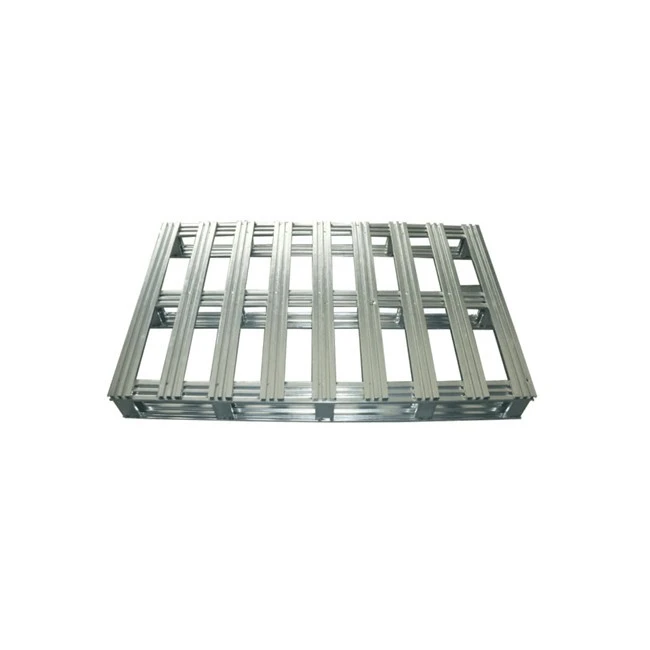
Hey there! As a supplier of steel flat pallets, I know how important it is to keep these pallets in top - notch condition. Rust is one of the biggest enemies of steel flat pallets. It not only makes the pallets look bad but also weakens their structural integrity over time. So, let's dive into how we can prevent rust on steel flat pallets.
Understanding Rust
First off, we need to understand what rust is. Rust is basically iron oxide, which forms when iron (and steel, since steel is mostly iron) reacts with oxygen and water. In simple terms, when your steel flat pallets are exposed to moisture and air, they start to rust. This reaction can happen faster in certain environments, like areas with high humidity, near the ocean where there's salt in the air, or in industrial settings with chemicals.
Surface Preparation
Before we even think about applying any anti - rust coatings, proper surface preparation is crucial. Just like painting a wall, if the surface isn't clean and smooth, the paint won't stick well.
- Cleaning: We've got to remove all the dirt, grease, and old paint from the pallets. A simple way is to use a pressure washer, which can blast away a lot of the loose debris. If there's stubborn grease, we can use a degreaser. For example, a citrus - based degreaser works great; it's eco - friendly and does the job well.
- Abrasive Blasting: This is a more heavy - duty method. We use sand or other abrasives like steel shot to remove rust and scale from the surface. It makes the surface rough, which helps any future coatings adhere better.
Applying Anti - Rust Coatings
Once the surface is prepped, it's time to put on some protective coatings. There are a few different types to choose from.
- Epoxy Coatings: These are super durable. They form a thick, hard layer on the surface of the pallet. Epoxy coatings are resistant to water, chemicals, and abrasion. We can apply them by spraying or brushing. One drawback is that they take a bit longer to dry compared to some other coatings, but the protection they offer is well worth the wait.
- Zinc - Rich Primers: Zinc is a sacrificial metal. When applied as a primer, it corrodes first instead of the steel. It acts as a shield, and as long as there's zinc present, the steel is protected. After applying the zinc - rich primer, we can usually top it off with a regular paint for additional protection and a nicer finish.
- Galvanization: This is a process where the steel is coated with a layer of zinc. There are two main types: hot - dip galvanizing and electro - galvanizing. Hot - dip galvanizing involves dipping the pallets into a bath of molten zinc. It creates a thick, long - lasting coating that can protect the pallets for years. Electro - galvanizing is a bit thinner but can be a good option for less demanding applications.
Storage and Handling
How we store and handle the pallets also plays a big role in preventing rust.
- Indoor Storage: Whenever possible, store the steel flat pallets indoors. This protects them from rain, snow, and direct sunlight. If you don't have an enclosed warehouse, at least use a covered area. A simple shed can make a huge difference.
- Proper Stacking: When stacking the pallets, make sure there's enough ventilation between them. This helps prevent moisture from getting trapped, which can lead to rust. If the pallets are stacked too tightly, air can't circulate, and moisture builds up.
- Avoiding Contact with Moisture: Don't let the pallets sit on wet ground. Use pallets or blocks to elevate them off the floor. Also, if the pallets get wet during use, dry them as soon as possible.
Regular Inspections
We can't just apply a coating and forget about the pallets. Regular inspections are key to catching rust early.
- Visual Checks: Walk around the pallets every once in a while and look for any signs of rust. Check the corners, edges, and any areas where the coating might be chipped or damaged.
- Testing: We can also use special tools to test the thickness of the protective coating. If the coating is getting thin in certain areas, it might be time to re - coat that part of the pallet.
Environmental Considerations
Different environments require different prevention strategies.
- Humid Environments: In places with high humidity, we need to be extra vigilant. We might need to apply more frequent coatings or use a more moisture - resistant coating. One option is a polyurethane coating, which is very good at preventing moisture from reaching the steel.
- Coastal Areas: The salt in the air near the ocean is extremely corrosive. We should use a more heavy - duty coating like hot - dip galvanized steel. Also, we should clean the pallets more often to remove the salt that might accumulate on the surface.
- Industrial Areas: Industrial settings often have chemicals in the air or on the ground. We need to choose a coating that's resistant to these chemicals. For example, if there are acidic chemicals present, an acid - resistant epoxy coating might be a good choice.
Utilizing Our Metal Pallets with Side
If you're looking for more options in steel pallets, we also offer Metal Pallets with Side. These pallets have added features that can enhance your storage and transportation needs while still benefiting from the same rust - prevention strategies we've discussed.
Conclusion
Preventing rust on steel flat pallets is a multi - step process that involves proper surface preparation, applying the right coatings, careful storage and handling, regular inspections, and considering the environment. By following these steps, you can extend the lifespan of your pallets and save money in the long run.
If you're interested in our steel flat pallets or have any questions about rust prevention, don't hesitate to reach out. We're here to help you find the best solutions for your business.

References
- "Corrosion Prevention for Metals" - A handbook on general corrosion prevention methods.
- "Industrial Coatings Guide" - Details different types of coatings and their applications.


