


Installing stainless steel pipes in a seismic area demands a unique set of considerations and techniques. As a dedicated stainless steel pipes supplier, I've witnessed firsthand the importance of proper installation to ensure the longevity and safety of piping systems in regions prone to seismic activity. In this blog, I'll share some valuable insights on how to install stainless steel pipes in a seismic area, highlighting key steps and best practices.
Understanding the Seismic Challenges
Before diving into the installation process, it's crucial to understand the seismic challenges that stainless steel pipes may face. Earthquakes generate ground motion, which can cause pipes to experience significant stress, vibration, and movement. These forces can lead to pipe damage, leaks, and even system failure if not properly addressed during installation.
One of the primary concerns in seismic areas is the potential for pipes to experience lateral and vertical displacement. During an earthquake, the ground can shift horizontally and vertically, causing pipes to bend, stretch, or break. Additionally, seismic waves can induce high-frequency vibrations that can fatigue the pipes over time, leading to cracks and leaks.
Selecting the Right Stainless Steel Pipes
The first step in installing stainless steel pipes in a seismic area is to select the right pipes for the job. Not all stainless steel pipes are created equal, and some are better suited for seismic applications than others. When choosing pipes, consider the following factors:
- Pipe Material: Opt for high-quality stainless steel pipes that are specifically designed for seismic applications. These pipes typically have a higher yield strength and ductility, which allows them to withstand the stresses and strains associated with seismic activity.
- Pipe Wall Thickness: Thicker wall pipes are generally more resistant to seismic forces than thinner wall pipes. Consider using pipes with a wall thickness that is appropriate for the expected seismic loads in your area.
- Pipe Diameter: Larger diameter pipes are more susceptible to seismic forces than smaller diameter pipes. When possible, use smaller diameter pipes to reduce the risk of damage during an earthquake.
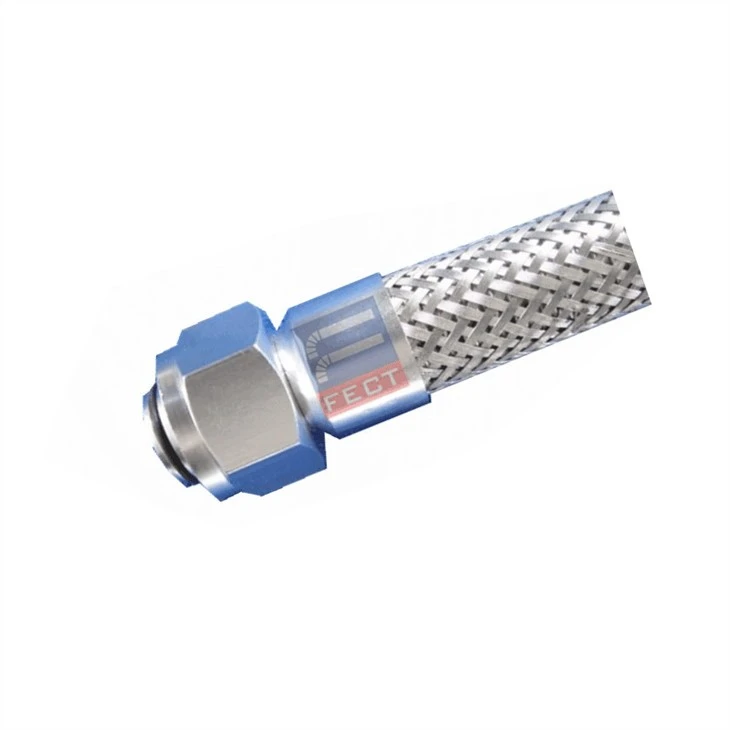
- Pipe Fittings: Choose pipe fittings that are designed to accommodate movement and vibration. Flexible fittings, such as expansion joints and flexible connectors, can help absorb the stresses and strains associated with seismic activity and prevent pipe damage.
Preparing the Installation Site
Once you've selected the right stainless steel pipes and fittings, it's time to prepare the installation site. Proper site preparation is essential to ensure a successful installation and minimize the risk of damage during an earthquake. Here are some key steps to follow:
- Conduct a Site Survey: Before starting the installation, conduct a thorough site survey to identify any potential hazards or challenges. Look for areas with poor soil conditions, high water tables, or other factors that could affect the stability of the pipes.
- Clear the Installation Area: Remove any debris, vegetation, or other obstacles from the installation area. This will help ensure a clean and level surface for the pipes and prevent damage to the pipes during installation.
- Mark the Pipe Route: Use stakes and string to mark the pipe route on the ground. This will help ensure that the pipes are installed in the correct location and alignment.
- Excavate the Trenches: Dig trenches for the pipes according to the specifications provided by the manufacturer. The trenches should be deep enough to provide adequate support for the pipes and prevent them from being damaged by surface traffic or other external forces.
- Install the Pipe Supports: Install pipe supports at regular intervals along the pipe route to provide additional support and prevent the pipes from sagging or shifting during an earthquake. The supports should be designed to accommodate movement and vibration and should be securely anchored to the ground.
Installing the Stainless Steel Pipes
Once the installation site is prepared, it's time to install the stainless steel pipes. Here are some key steps to follow:
- Assemble the Pipes: Assemble the pipes and fittings according to the manufacturer's instructions. Use appropriate tools and techniques to ensure a secure and leak-free connection.
- Lift and Position the Pipes: Use a crane or other lifting equipment to lift and position the pipes in the trenches. Be careful not to damage the pipes during the lifting process.
- Connect the Pipes: Connect the pipes and fittings using the appropriate welding or joining techniques. Make sure the connections are tight and secure to prevent leaks.
- Test the Pipes: Once the pipes are installed, test them for leaks and pressure. Use a pressure test pump to apply pressure to the pipes and check for any signs of leakage.
- Backfill the Trenches: After the pipes have been tested and approved, backfill the trenches with soil or other suitable material. Make sure the backfill material is compacted properly to provide adequate support for the pipes.
Using Flexible Connectors
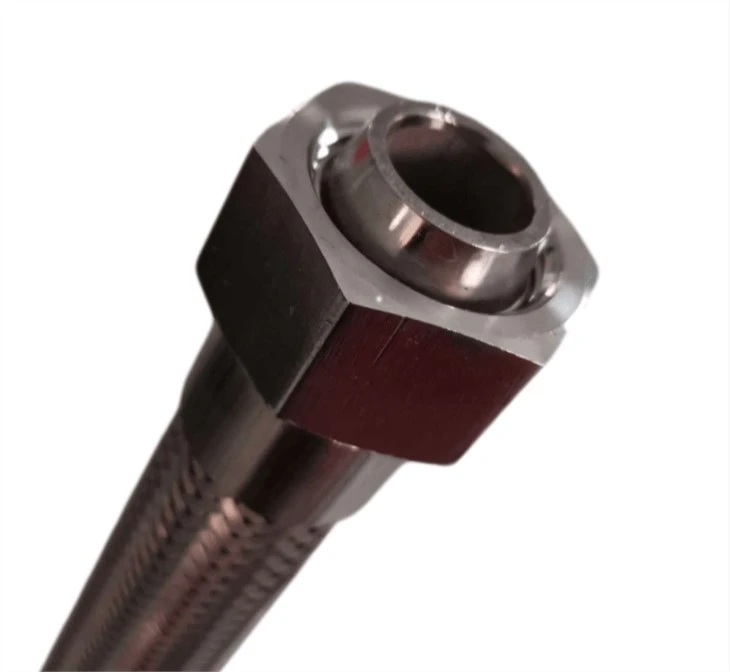
One of the most effective ways to protect stainless steel pipes from seismic damage is to use flexible connectors. Flexible connectors, such as expansion joints and flexible hoses, can help absorb the stresses and strains associated with seismic activity and prevent pipe damage. Here are some key benefits of using flexible connectors:
- Accommodate Movement: Flexible connectors can accommodate lateral and vertical movement of the pipes during an earthquake, reducing the risk of pipe damage.
- Absorb Vibration: Flexible connectors can absorb high-frequency vibrations generated by seismic waves, reducing the fatigue on the pipes and preventing cracks and leaks.
- Reduce Stress: Flexible connectors can reduce the stress on the pipes and fittings, extending their lifespan and reducing the need for maintenance and repairs.
When selecting flexible connectors, consider the following factors:
- Type of Connector: There are several types of flexible connectors available, including expansion joints, flexible hoses, and bellows. Choose the type of connector that is best suited for your application.
- Size and Pressure Rating: Make sure the flexible connector is the right size and pressure rating for your pipes and system.
- Material: Choose a flexible connector made from high-quality materials that are resistant to corrosion and wear.
Some of our recommended flexible connectors include the 24 Degree Cone with O-ring Sealing Connector Steel Metal Hose, the Stainless Steel Flexible Braided Metal Hose, and the 24 Degree Cone with O-ring Sealing connector flexible metal corrugated hose assembly. These connectors are designed to provide reliable and long-lasting performance in seismic applications.
Securing the Pipes
In addition to using flexible connectors, it's important to secure the stainless steel pipes to prevent them from shifting or moving during an earthquake. Here are some key steps to follow:
- Use Pipe Clamps: Install pipe clamps at regular intervals along the pipe route to secure the pipes to the pipe supports. Make sure the clamps are tight and secure to prevent the pipes from slipping.
- Anchor the Pipes: Anchor the pipes to the ground or other stable structures using appropriate anchors or brackets. This will help prevent the pipes from moving or shifting during an earthquake.
- Install Restraints: Install restraints, such as snubbers or dampers, at strategic locations along the pipe route to limit the movement of the pipes during an earthquake. These restraints can help reduce the stress on the pipes and prevent damage.
Conducting Regular Inspections
Once the stainless steel pipes are installed, it's important to conduct regular inspections to ensure their continued safety and performance. Here are some key steps to follow:

- Visual Inspections: Conduct visual inspections of the pipes and fittings on a regular basis to look for signs of damage, such as cracks, leaks, or corrosion.
- Pressure Testing: Conduct pressure tests on the pipes and system at regular intervals to check for leaks and ensure the integrity of the system.
- Maintenance and Repairs: Perform regular maintenance and repairs on the pipes and fittings as needed to keep them in good working condition. This may include cleaning, lubricating, or replacing worn or damaged parts.
Conclusion
Installing stainless steel pipes in a seismic area requires careful planning, proper selection of materials and components, and adherence to best practices. By following the steps outlined in this blog, you can ensure a successful installation and minimize the risk of damage to your piping system during an earthquake.
As a stainless steel pipes supplier, we are committed to providing high-quality products and expert advice to help you meet your seismic piping needs. If you have any questions or need assistance with your stainless steel pipe installation, please don't hesitate to contact us. We look forward to working with you to ensure the safety and reliability of your piping system in a seismic area.

References
- "Seismic Design of Piping Systems," American Society of Civil Engineers (ASCE)
- "Stainless Steel Pipes and Fittings: Design and Installation Guide," Stainless Steel Pipe Association
- "Flexible Connectors for Seismic Applications," International Association of Plumbing and Mechanical Officials (IAPMO)


