


Hey there! I'm a supplier of Stainless Steel Pipes, and I know that keeping these pipes looking clean and stain - free is super important. Whether you're using them in a home plumbing system, an industrial setting, or a commercial project, stains can not only make your pipes look bad but also potentially affect their performance over time. So, let's dive into how you can remove stains from stainless steel pipes.
Understanding Stainless Steel and Stains
First off, it's good to know a bit about stainless steel. Stainless steel is great because it's corrosion - resistant, strong, and durable. But it's not completely immune to stains. Stains on stainless steel pipes can come from a bunch of different sources. For example, hard water can leave behind mineral deposits, which look like white or chalky stains. If the pipes are used in an industrial environment, they might get stained with oil, grease, or chemicals. And sometimes, just regular dirt and grime from the air or handling can build up and cause stains.
Common Household Methods to Remove Stains
Using Vinegar
Vinegar is a real hero when it comes to cleaning. It's acidic, which helps break down a lot of different types of stains. To use vinegar for cleaning your stainless steel pipes, you can make a simple solution. Mix equal parts of white vinegar and water in a spray bottle. Spray the solution onto the stained areas of the pipe. Let it sit for about 10 - 15 minutes. The vinegar will start to dissolve the stains. Then, use a soft cloth or sponge to gently wipe away the stains. After that, rinse the pipe thoroughly with clean water to get rid of any vinegar residue. This method works really well for mineral deposits and light dirt stains.
Baking Soda Paste
Baking soda is another great household item for cleaning. It's a mild abrasive, which means it can scrub away stains without scratching the stainless steel. Make a paste by mixing baking soda with a little bit of water until it forms a thick, spreadable consistency. Apply the paste to the stained areas on the pipe. Use a soft - bristled brush or cloth to gently rub the paste into the stains in a circular motion. Be careful not to press too hard, as you don't want to scratch the surface. After a few minutes of scrubbing, rinse the pipe well with water. This method is good for tougher stains like grease or oil.
Commercial Cleaning Products
If the household methods don't do the trick, there are plenty of commercial cleaning products designed specifically for stainless steel. You can find these at your local hardware store or online. When choosing a commercial cleaner, look for one that is labeled as safe for stainless steel. Some cleaners come in spray form, which is really convenient. Just spray the cleaner onto the stain, let it sit for the recommended time on the label (usually a few minutes), and then wipe it off with a clean cloth.
One thing to keep in mind when using commercial cleaners is to always follow the instructions on the label. Some cleaners might require you to wear gloves or work in a well - ventilated area. Also, test the cleaner on a small, inconspicuous area of the pipe first to make sure it doesn't cause any discoloration or damage.
Specialized Stain Removal for Specific Stains
Removing Oil and Grease Stains
Oil and grease stains can be a real pain, especially if they've been on the pipe for a while. For these types of stains, you can use a degreaser. There are commercial degreasers available, but you can also make a homemade one. Mix a few drops of dish soap with warm water. Apply the soapy water to the stained area and let it soak in for a few minutes. Then, use a sponge or cloth to scrub the stain away. If the stain is really stubborn, you might need to use a stronger degreaser from the hardware store.
Chemical Stains
If your stainless steel pipes have been stained by chemicals, it's important to be extra careful. First, find out what kind of chemical it is. Different chemicals require different cleaning methods. Some chemical stains might need to be neutralized with a specific solution. For example, if the stain is from an acidic chemical, you might need to use a basic solution to neutralize it. In cases like this, it's best to consult a professional or do some in - depth research to make sure you're using the right cleaning method.
Preventing Future Stains
Regular Cleaning
The best way to prevent stains from building up on your stainless steel pipes is to clean them regularly. A simple wipe - down with a damp cloth every once in a while can go a long way. This will remove any dirt or grime before it has a chance to turn into a stain.
Protective Coatings
There are also protective coatings available for stainless steel pipes. These coatings can create a barrier between the pipe and potential staining agents. You can apply these coatings yourself, following the instructions on the product. They can help make the pipes easier to clean and more resistant to stains.
Our Product Range and Its Stain - Resistance
As a supplier of Stainless Steel Pipes, we offer high - quality pipes that are designed to be as stain - resistant as possible. Our pipes are made from top - grade stainless steel, which has excellent corrosion and stain - resistance properties. But even with the best materials, stains can still happen, and that's why we're sharing these cleaning tips with you.
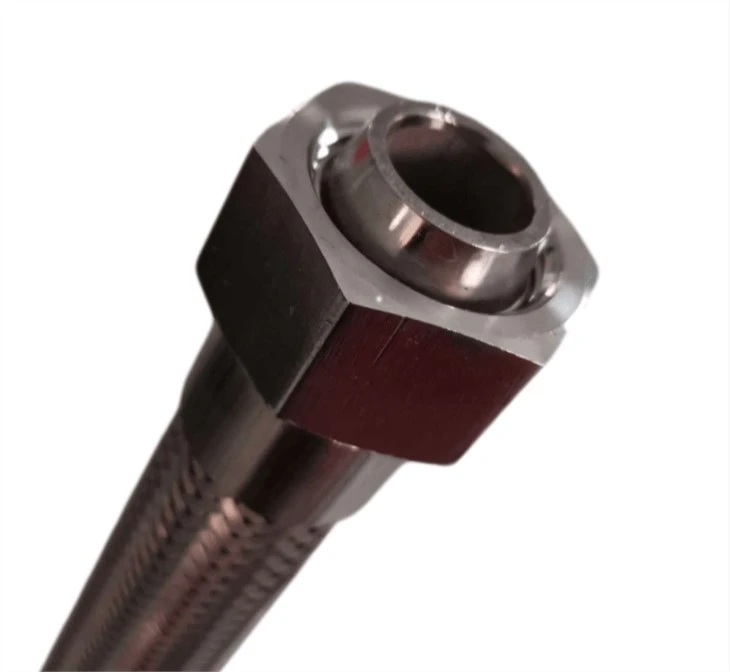
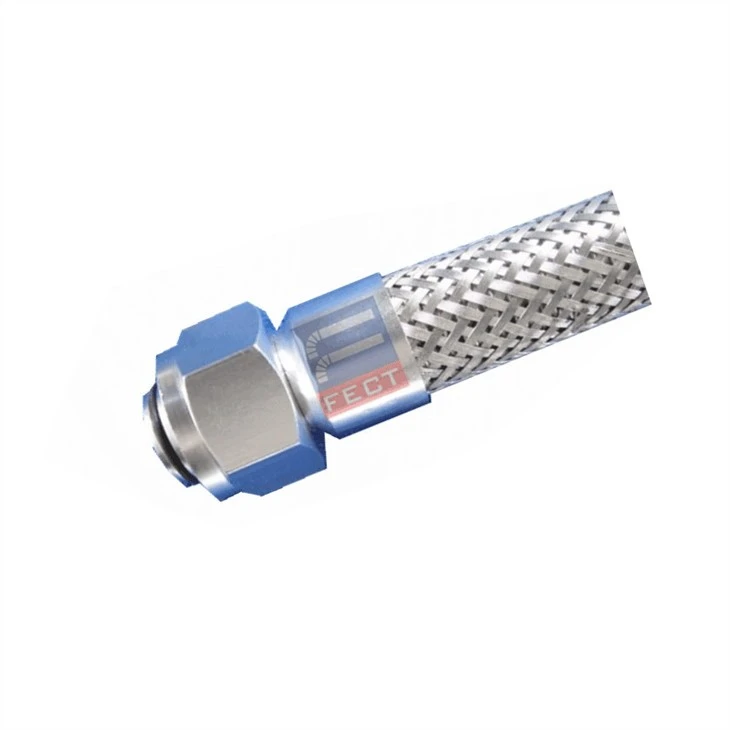
We also have other related products, like the 24 Degree Cone with O - ring Sealing connector flexible metal corrugated hose assembly and the 24 Degree Cone with O - ring Sealing Connector Steel Metal Hose. These products are also made with high - quality materials and are great for various applications.
Let's Connect for Your Purchase
If you're in the market for stainless steel pipes or any of our other products, I'd love to talk to you. Whether you have questions about stain removal, product specifications, or pricing, don't hesitate to reach out. We're here to help you find the right products for your needs and make sure you get the best value for your money.
References
- "The Complete Guide to Cleaning Stainless Steel" - Home Cleaning Magazine
- Industrial Cleaning Handbook - A collection of industrial cleaning methods and best practices


