


Hey there! As a cargo net supplier, I've seen my fair share of damaged cargo nets. Whether it's due to rough handling, extreme weather, or just plain wear and tear, a damaged cargo net can be a real headache. But don't worry! In this blog post, I'm gonna walk you through the steps on how to repair a damaged cargo net, so you can get it back in working condition in no time.
Step 1: Assess the Damage
The first thing you need to do is take a good look at the damaged cargo net. Check for any frayed ropes, broken strands, or holes. This will help you determine the extent of the damage and what kind of repair method you'll need to use.
If the damage is minor, like a few frayed ropes or small holes, you might be able to fix it yourself with some basic tools and materials. But if the damage is more severe, like large holes or multiple broken strands, you might want to consider replacing the net altogether.
Step 2: Gather Your Tools and Materials
Once you've assessed the damage, it's time to gather the tools and materials you'll need for the repair. Here's a list of some common items you might need:
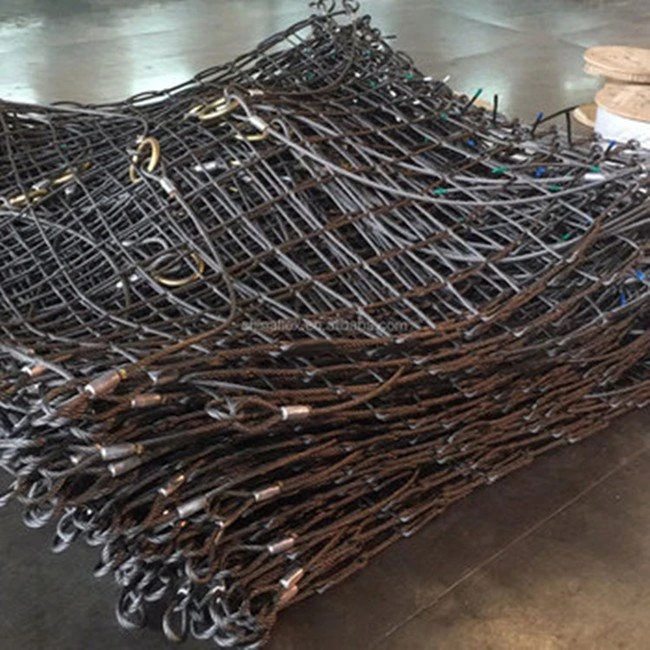
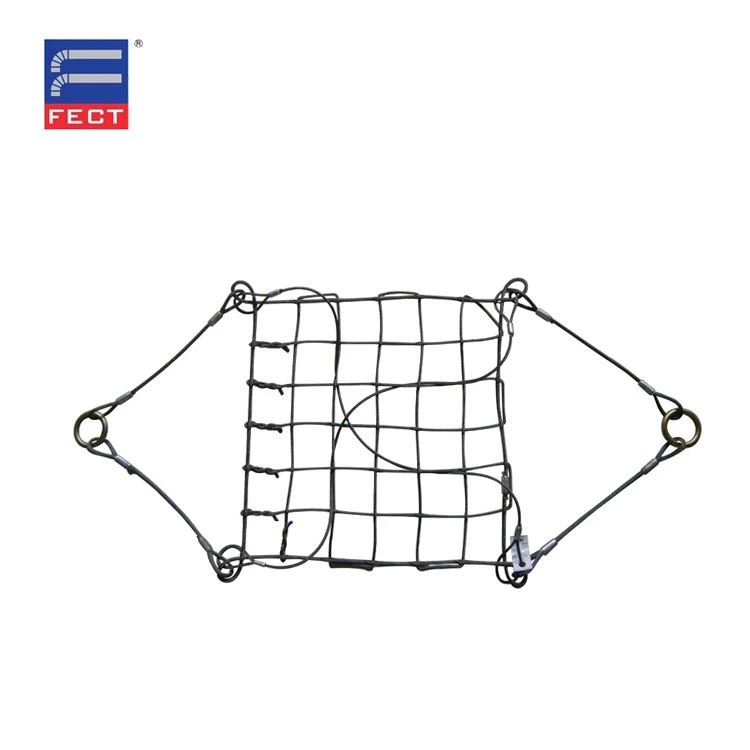
- Scissors or wire cutters: To cut the damaged ropes or strands.
- Needle and thread: For sewing up small holes or tears. You can use a heavy-duty thread that's strong enough to withstand the weight of the cargo.
- Cable clamps or ferrules: If you need to join two ropes or strands together, cable clamps or ferrules can be a great option.
- Replacement ropes or strands: If you have any broken ropes or strands, you'll need to replace them with new ones. Make sure to use ropes or strands that are the same size and strength as the original ones.
- Safety gloves: To protect your hands from sharp edges or rough ropes.
Step 3: Repair Minor Damage
If the damage is minor, like a few frayed ropes or small holes, you can usually fix it yourself with a little bit of time and effort. Here's how:
- Trim the frayed ropes: Use your scissors or wire cutters to trim any frayed ropes or strands. Make sure to cut them as close to the damage as possible, but be careful not to cut any of the undamaged ropes.
- Sew up small holes or tears: If you have any small holes or tears in the net, you can sew them up using a needle and thread. Start by threading the needle with a heavy-duty thread, and then stitch the hole or tear closed using a simple running stitch. Make sure to pull the thread tight after each stitch to ensure a secure repair.
- Join two ropes or strands together: If you have any broken ropes or strands, you can join them together using cable clamps or ferrules. First, insert the ends of the ropes or strands into the cable clamp or ferrule, and then use a crimping tool to compress the clamp or ferrule around the ropes or strands. Make sure to crimp the clamp or ferrule tightly to ensure a secure connection.
Step 4: Repair Major Damage
If the damage is more severe, like large holes or multiple broken strands, you might need to take a more advanced approach to the repair. Here's how:
- Replace the damaged ropes or strands: If you have any broken ropes or strands, you'll need to replace them with new ones. Start by cutting out the damaged ropes or strands using your scissors or wire cutters, and then measure and cut the new ropes or strands to the same length as the original ones. Make sure to use ropes or strands that are the same size and strength as the original ones.
- Sew the new ropes or strands into the net: Once you have the new ropes or strands, you can sew them into the net using a needle and thread. Start by threading the needle with a heavy-duty thread, and then stitch the new ropes or strands into the net using a simple running stitch. Make sure to pull the thread tight after each stitch to ensure a secure repair.
- Reinforce the repair: To make the repair even stronger, you can reinforce it using cable clamps or ferrules. First, insert the ends of the new ropes or strands into the cable clamp or ferrule, and then use a crimping tool to compress the clamp or ferrule around the ropes or strands. Make sure to crimp the clamp or ferrule tightly to ensure a secure connection.
Step 5: Test the Repaired Cargo Net
Once you've completed the repair, it's important to test the cargo net to make sure it's safe and secure. Here's how:
- Inspect the repair: Take a close look at the repair to make sure it's strong and secure. Check for any loose threads, frayed ropes, or other signs of damage.
- Load the cargo net: Carefully load the cargo net with a small amount of weight to test its strength. Make sure to distribute the weight evenly across the net to avoid putting too much stress on any one area.
- Check for any signs of damage: While the cargo net is loaded, check for any signs of damage or stress. Look for any ropes or strands that are starting to fray, stretch, or break. If you notice any signs of damage, stop using the cargo net immediately and make any necessary repairs.
Step 6: Maintain Your Cargo Net
To keep your cargo net in good condition and prevent future damage, it's important to maintain it regularly. Here are some tips on how to maintain your cargo net:
- Clean the cargo net: After each use, make sure to clean the cargo net to remove any dirt, debris, or other contaminants. You can use a mild soap and water solution to clean the net, and then rinse it thoroughly with clean water.
- Inspect the cargo net regularly: Make it a habit to inspect the cargo net regularly for any signs of damage or wear. Look for any frayed ropes, broken strands, or other signs of damage. If you notice any signs of damage, make any necessary repairs immediately.
- Store the cargo net properly: When you're not using the cargo net, make sure to store it in a dry, cool place. Avoid storing the net in direct sunlight or in a damp environment, as this can cause the ropes to weaken and deteriorate over time.
Conclusion
Repairing a damaged cargo net doesn't have to be a difficult or expensive process. By following these simple steps, you can easily repair a damaged cargo net and get it back in working condition in no time. Remember to always assess the damage, gather the right tools and materials, and test the repaired net before using it. And if you ever need any help or advice, don't hesitate to contact us. We're here to help you keep your cargo safe and secure.
If you're in the market for a new cargo net, we've got you covered. We offer a wide range of high-quality Wire Lifting Net, Wire Rope Net for Lifting, and Steel Wire Rope Net for Crane that are designed to meet your specific needs and requirements. So why wait? Contact us today to learn more about our products and how we can help you find the perfect cargo net for your next job.
References
- Cargo Net Repair Guide. (n.d.). Retrieved from [Insert URL if available]
- How to Maintain Your Cargo Net. (n.d.). Retrieved from [Insert URL if available]


