


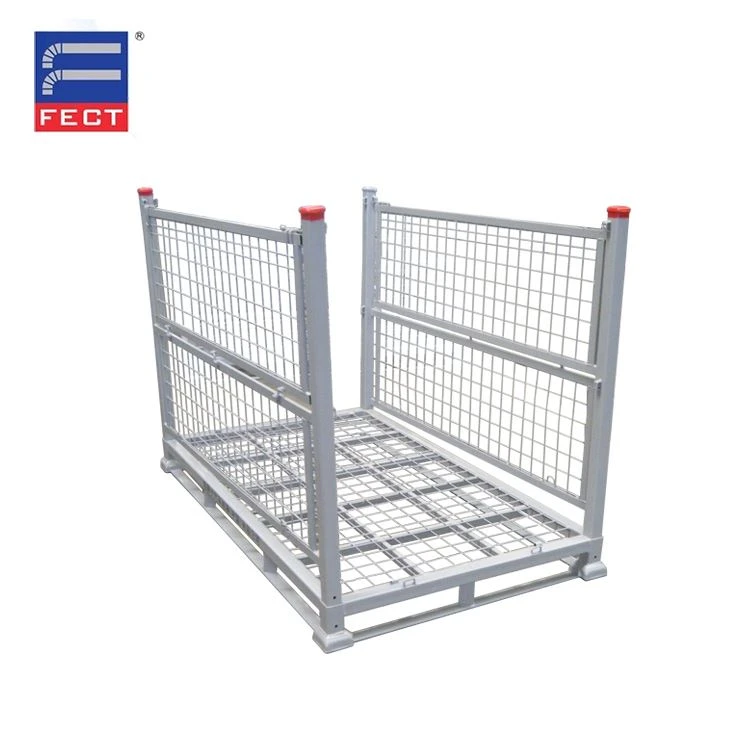
Hey there! As a supplier of Metal Pallet Cages, I've seen my fair share of damaged ones. Whether it's due to rough handling, heavy loads, or just the wear and tear of daily use, a damaged metal pallet cage can be a real headache. But don't worry, I'm here to walk you through the process of repairing a damaged metal pallet cage.
Assessing the Damage
The first step in any repair job is to figure out what's wrong. Take a good look at the pallet cage and check for any obvious signs of damage. This could include bent or broken wires, loose joints, or dented panels. You might also want to check the structural integrity of the cage by giving it a gentle shake. If it feels wobbly or unstable, there could be some underlying issues that need to be addressed.
Once you've identified the damage, it's time to decide whether you can fix it yourself or if you need to call in a professional. Minor damage, like a few bent wires or a loose joint, can usually be repaired with a few basic tools and some elbow grease. However, if the damage is more extensive, like a major structural failure or a large section of broken wires, it might be best to leave it to the experts.
Gathering the Tools and Materials
If you've decided to tackle the repair job yourself, the next step is to gather the tools and materials you'll need. Here's a list of some basic tools and materials that you might need:
- Welding equipment: If you need to repair any broken or damaged metal parts, you'll need a welding machine. Make sure you have the right type of welding equipment for the job, and that you know how to use it safely.
- Wire cutters: You'll need a pair of wire cutters to cut any broken or damaged wires. Make sure the wire cutters are sharp and in good condition.
- Pliers: Pliers are useful for bending and shaping wires, as well as for tightening loose joints. Make sure you have a variety of pliers on hand, including needle-nose pliers, diagonal pliers, and locking pliers.
- Hammer: A hammer can be used to straighten out any bent metal parts. Make sure you have a hammer that's the right size and weight for the job.
- Safety gear: Working with metal can be dangerous, so it's important to wear the right safety gear. This includes safety glasses, gloves, and a welding mask if you're using a welding machine.
- Replacement parts: Depending on the extent of the damage, you might need to replace some parts of the pallet cage. This could include wires, panels, or joints. Make sure you have the right replacement parts on hand before you start the repair job.
Repairing the Damage
Once you have all the tools and materials you need, it's time to start repairing the damage. Here's a step-by-step guide on how to repair a damaged metal pallet cage:
- Remove any loose or broken parts: Use your wire cutters and pliers to remove any loose or broken wires, panels, or joints. Make sure you remove all the damaged parts before you start the repair job.
- Straighten out any bent parts: Use your hammer to straighten out any bent metal parts. Make sure you use a gentle touch and don't overdo it, as you could cause further damage to the pallet cage.
- Weld any broken or damaged parts: If you need to repair any broken or damaged metal parts, use your welding machine to weld them back together. Make sure you follow the manufacturer's instructions for using the welding machine, and that you wear the right safety gear.
- Replace any missing or damaged parts: If you need to replace any parts of the pallet cage, such as wires, panels, or joints, make sure you use the right replacement parts. Follow the manufacturer's instructions for installing the replacement parts, and make sure they're securely fastened.
- Test the pallet cage: Once you've completed the repair job, test the pallet cage to make sure it's safe and stable. Give it a gentle shake to make sure it doesn't feel wobbly or unstable. If it does, go back and check your repairs to make sure everything is secure.
Preventing Future Damage
Now that you've repaired your damaged metal pallet cage, it's important to take steps to prevent future damage. Here are some tips on how to keep your pallet cages in good condition:
- Use the right equipment: Make sure you're using the right equipment to handle and transport your pallet cages. This includes forklifts, pallet jacks, and other handling equipment. Make sure the equipment is in good condition and that it's being used correctly.
- Store the pallet cages properly: When you're not using your pallet cages, make sure you store them in a dry, secure location. This will help prevent rust and other types of damage.
- Inspect the pallet cages regularly: Make sure you inspect your pallet cages regularly for any signs of damage. This includes checking for bent or broken wires, loose joints, and dented panels. If you notice any damage, repair it as soon as possible to prevent further damage.
- Train your employees: Make sure your employees are trained on how to handle and transport your pallet cages safely. This includes teaching them how to use the right equipment, how to stack the pallet cages properly, and how to inspect the pallet cages for damage.
Conclusion
Repairing a damaged metal pallet cage can be a challenging but rewarding job. By following the steps outlined in this blog post, you can repair your damaged pallet cage and get it back in working condition. Remember to take steps to prevent future damage, and to always use the right tools and materials for the job.
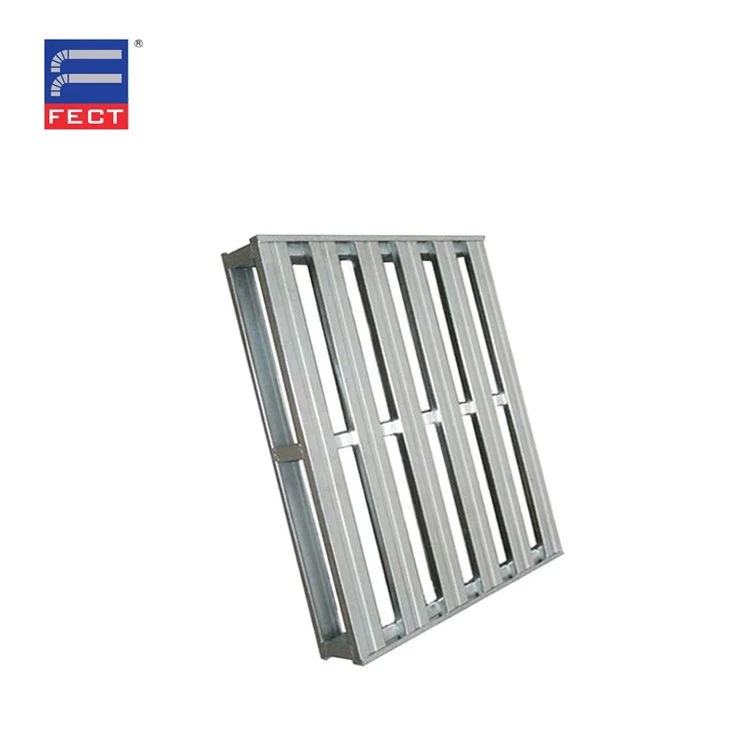
If you're in the market for a new Metal Pallet Cage, Sturdy Metal Pallet, or Wire Mesh Pallet Cage, I'd be happy to help. Just reach out to me, and we can discuss your needs and find the right solution for you.
References
- Metalworking for Beginners: A Step-by-Step Guide to Welding, Cutting, and Fabricating Metal
- Industrial Pallet Cages: Design, Manufacture, and Use
- Safety Guidelines for Handling and Transporting Pallet Cages


