


Hey there! As a supplier of Metal Pallets with Side, I've seen firsthand the importance of proper storage for these pallets when they're not in use. In this blog post, I'll share some tips on how to store metal pallets with side effectively to ensure their longevity and functionality.
Why Proper Storage Matters
First off, let's talk about why it's so crucial to store your metal pallets with side correctly. These pallets are an investment, and you want to make sure they last as long as possible. Improper storage can lead to a variety of issues, such as rust, damage, and deformation. Rust can weaken the metal, making the pallets less sturdy and potentially unsafe to use. Damage, like dents or bends, can affect the pallet's ability to hold loads properly. And deformation can make it difficult to stack the pallets or fit them into your storage space.
Choosing the Right Storage Location
The first step in storing your metal pallets with side is to choose the right location. Ideally, you want a dry, clean, and well-ventilated area. Moisture is the enemy of metal, so keeping the pallets away from damp environments is essential. If you're storing the pallets outdoors, make sure they're covered with a waterproof tarp to protect them from rain and snow.
Indoor storage is usually the best option, especially if you live in an area with harsh weather conditions. A warehouse or storage shed can provide a controlled environment that's less likely to cause rust or other damage. Just make sure the area is free of debris and has enough space to stack the pallets safely.
Cleaning the Pallets Before Storage
Before you store your metal pallets with side, it's a good idea to give them a thorough cleaning. This will remove any dirt, debris, or chemicals that could cause corrosion over time. You can use a mild detergent and water to clean the pallets, and then rinse them off with a hose. Make sure to dry the pallets completely before storing them to prevent moisture from getting trapped.
If the pallets have any stubborn stains or rust spots, you can use a metal cleaner or rust remover to treat them. Just follow the instructions on the product carefully and wear protective gloves and eyewear.
Stacking the Pallets
Once the pallets are clean and dry, it's time to stack them. When stacking metal pallets with side, it's important to do it in a way that's stable and safe. You want to make sure the pallets are aligned properly and that the weight is distributed evenly.
Start by placing the first pallet on a flat, stable surface. Then, stack the remaining pallets on top of it, making sure to align the sides and corners. If the pallets have any special features, like raised edges or reinforcements, make sure they're stacked in a way that doesn't interfere with each other.
It's also a good idea to limit the height of the stack to prevent it from toppling over. Depending on the size and weight of the pallets, you may want to stack them no more than 6 to 8 pallets high.
Using Storage Racks
If you have a large number of metal pallets with side to store, using storage racks can be a great option. Storage racks provide a more organized and efficient way to store the pallets, and they can also help prevent damage.
There are several types of storage racks available, including pallet racks, cantilever racks, and drive-in racks. Pallet racks are the most common type of rack and are designed to hold standard-sized pallets. Cantilever racks are ideal for storing long or irregularly shaped pallets, while drive-in racks are a good option for high-density storage.

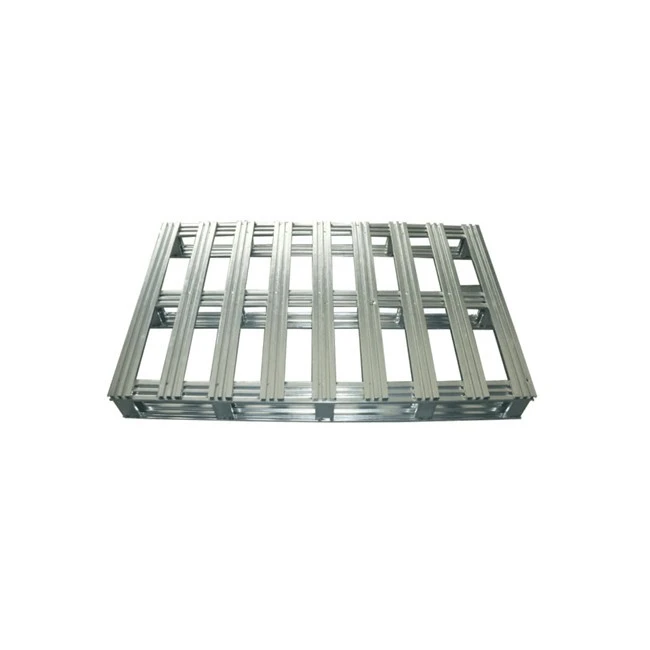
When choosing a storage rack, make sure it's designed to hold the weight and size of your metal pallets with side. You also want to make sure the rack is installed correctly and that it's stable and secure.
Protecting the Pallets from Damage
In addition to choosing the right storage location and stacking the pallets properly, there are a few other things you can do to protect the pallets from damage. One of the most important things is to avoid overloading the pallets. Make sure you're not putting more weight on the pallets than they're designed to handle.
You also want to be careful when handling the pallets. Use a forklift or other equipment that's designed to handle metal pallets, and make sure the operators are trained to use the equipment safely. Avoid dragging or dropping the pallets, as this can cause dents, scratches, and other damage.
Finally, consider using pallet covers or wraps to protect the pallets from dust, dirt, and other contaminants. Pallet covers can also help prevent rust and corrosion by keeping moisture away from the metal.
Regular Inspections
Even if you're storing your metal pallets with side correctly, it's still a good idea to inspect them regularly. This will allow you to catch any signs of damage or rust early on and take steps to address them before they become a bigger problem.
Inspect the pallets for any dents, bends, or other signs of damage. Check the welds and joints to make sure they're still strong and secure. Look for any signs of rust or corrosion, and if you find any, treat it immediately with a rust remover or metal cleaner.
Conclusion
Storing metal pallets with side properly is essential for ensuring their longevity and functionality. By choosing the right storage location, cleaning the pallets before storage, stacking them correctly, using storage racks, protecting them from damage, and conducting regular inspections, you can keep your pallets in good condition and ready to use when you need them.
If you're in the market for high-quality metal pallets with side, look no further! As a trusted supplier, we offer a wide range of pallets to meet your needs. Whether you need standard-sized pallets or custom-designed pallets, we've got you covered. Contact us today to discuss your requirements and get a quote. We're here to help you find the perfect solution for your business.
References
- American Society of Mechanical Engineers (ASME). (2019). B56.1 - Safety Standard for Low Lift and High Lift Trucks.
- Occupational Safety and Health Administration (OSHA). (2017). Powered Industrial Trucks.
- National Fire Protection Association (NFPA). (2018). NFPA 101 - Life Safety Code.


