


Hey there! As a supplier of metal flexible hoses, I often get asked about how to test the quality of these essential components. Metal flexible hoses are used in a wide range of industries, from automotive to manufacturing, and ensuring their quality is crucial for reliable performance. In this blog post, I'll share some practical tips on how to test the quality of a metal flexible hose.
Visual Inspection
The first step in testing a metal flexible hose is a simple visual inspection. You'd be surprised how much you can tell just by looking at the hose. Start by checking for any obvious signs of damage, such as cracks, dents, or scratches. These imperfections can weaken the hose and lead to leaks or failures down the line.
Next, examine the hose's construction. A high - quality metal flexible hose should have a uniform and consistent appearance. The corrugations should be evenly spaced and well - formed. If you notice any irregularities in the corrugation pattern, it could indicate a manufacturing defect.
Also, take a look at the end fittings. They should be securely attached to the hose and free from any signs of looseness or damage. The surface finish of the fittings should be smooth and free from burrs, which could cause leaks or interfere with the connection.
Pressure Testing
Pressure testing is one of the most important tests for a metal flexible hose. This test helps determine the hose's ability to withstand the pressure it will encounter in its intended application.
To perform a pressure test, you'll need a pressure testing rig. First, seal both ends of the hose and connect it to the testing rig. Then, gradually increase the pressure to the specified test pressure. This pressure is usually higher than the normal operating pressure of the hose to ensure a safety margin.
Keep a close eye on the hose during the test. Look for any signs of leakage, such as bubbles or drops of fluid. If you notice any leakage, the hose fails the test and should not be used. You should also check for any signs of deformation or bulging in the hose. Excessive deformation can indicate that the hose is not strong enough to handle the pressure.
Flexibility Testing
Flexibility is another key characteristic of a metal flexible hose. After all, the main advantage of these hoses is their ability to bend and flex without breaking.
To test the flexibility of a hose, you can manually bend it through a series of angles. A high - quality hose should be able to bend easily without kinking or cracking. You can also use a mechanical bending device to apply a more consistent and controlled bending force.
During the flexibility test, pay attention to the resistance you feel when bending the hose. If the hose is too stiff, it may not be suitable for applications that require a high degree of flexibility. On the other hand, if the hose is too flexible, it may not be able to maintain its shape under pressure.
Chemical Compatibility Testing
If the metal flexible hose will be used to transport chemicals, it's essential to test its chemical compatibility. Different metals and coatings have different levels of resistance to various chemicals.
To perform a chemical compatibility test, you can expose a small sample of the hose to the chemical it will be in contact with. Immerse the sample in the chemical for a specified period of time, usually according to industry standards.
After the exposure period, examine the sample for any signs of corrosion, discoloration, or degradation. If the sample shows significant damage, the hose may not be suitable for use with that particular chemical.
Fatigue Testing
Fatigue testing is used to simulate the repeated bending and flexing that a metal flexible hose may experience over its service life. This test helps determine the hose's durability and resistance to fatigue failure.
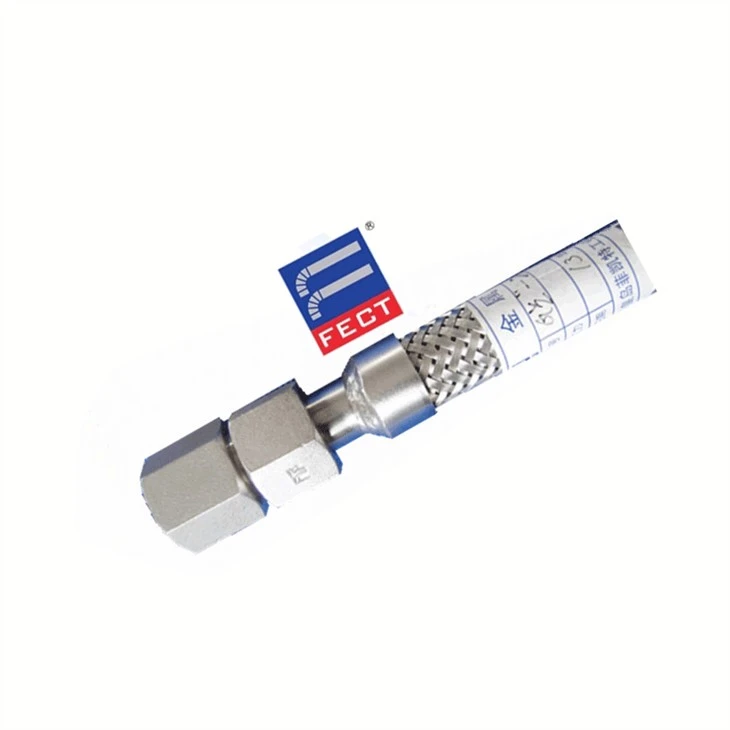

There are several methods for fatigue testing. One common method is to use a fatigue testing machine that repeatedly bends the hose through a specified angle at a set frequency. The test continues until the hose fails or reaches a predetermined number of cycles.
During the fatigue test, monitor the hose for any signs of damage, such as cracks or leaks. The number of cycles the hose can withstand before failure is an important indicator of its fatigue resistance.
Temperature Testing
Temperature can have a significant impact on the performance of a metal flexible hose. Extreme temperatures can cause the metal to expand or contract, which may affect the hose's integrity and flexibility.
To test the hose's performance at different temperatures, you can use a temperature chamber. Place the hose in the chamber and set the temperature to the desired level. You can test the hose at both high and low temperatures to ensure it can perform under a wide range of conditions.
During the temperature test, check the hose for any signs of deformation, cracking, or leakage. Also, test the hose's flexibility at different temperatures to see if it remains within the acceptable range.
Where to Find Quality Metal Flexible Hoses
If you're in the market for high - quality metal flexible hoses, we offer a wide range of products, including Stainless Steel Flexible Pipe Connectors, Super Flexible Corrugated Metal Hose With Spiral Wave Type, and STH - 1 Standard Corrugated Metal Hose With Spiral Wave Type.
We take pride in providing hoses that meet the highest quality standards. Our hoses are thoroughly tested using the methods I've described above to ensure they perform reliably in your applications.
If you're interested in learning more about our products or have any questions about testing metal flexible hoses, don't hesitate to reach out. We're here to help you find the right hose for your needs and ensure its quality.
Conclusion
Testing the quality of a metal flexible hose is a multi - step process that involves visual inspection, pressure testing, flexibility testing, chemical compatibility testing, fatigue testing, and temperature testing. By performing these tests, you can ensure that the hose you're using is safe, reliable, and suitable for your specific application.
If you're in the market for a metal flexible hose, consider our products. We're committed to providing high - quality hoses that meet your requirements. Contact us today to start the procurement process and let's have a great business talk!
References
- ASME B31.3 - Process Piping Code
- ISO 10380 - Metallic bellows expansion joints for general piping systems
- ASTM A240 - Standard Specification for Chromium and Chromium - Nickel Stainless Steel Plate, Sheet, and Strip for Pressure Vessels and for General Applications


