


As a supplier of steel flat pallets, I've had the privilege of witnessing firsthand the remarkable safety features that these pallets offer. In this blog post, I'll delve into the various safety aspects of steel flat pallets, highlighting why they are a reliable choice for businesses across different industries.
Structural Integrity
One of the most significant safety features of steel flat pallets is their exceptional structural integrity. Unlike wooden pallets, which can be prone to splintering, cracking, or breaking under heavy loads, steel pallets are built to withstand substantial weight and pressure. The robust construction of steel pallets ensures that they can support large and heavy items without deformation or failure, reducing the risk of accidents and product damage during handling and transportation.
Steel flat pallets are typically made from high-quality steel, which is known for its strength and durability. The steel is often treated or coated to enhance its resistance to corrosion, rust, and wear, further extending the lifespan of the pallets. This means that steel pallets can maintain their structural integrity even in harsh environments, such as outdoor storage yards or industrial facilities with high humidity or chemical exposure.
Load Stability
Another crucial safety feature of steel flat pallets is their ability to provide excellent load stability. The flat surface of steel pallets offers a secure base for stacking and transporting goods, minimizing the risk of items shifting or falling during transit. This is particularly important when dealing with heavy or irregularly shaped loads, as unstable loads can pose a significant safety hazard to workers and equipment.
Steel pallets often come with additional features to enhance load stability, such as anti-slip surfaces or raised edges. Anti-slip surfaces help to prevent items from sliding off the pallet, even when the pallet is tilted or moved. Raised edges, on the other hand, act as a barrier to keep items in place, reducing the risk of them falling off the sides of the pallet. These features not only improve safety but also help to protect the integrity of the goods being transported.
Fire Resistance
In many industrial settings, fire safety is a top concern. Steel flat pallets offer a significant advantage in this regard, as they are highly fire-resistant. Unlike wooden pallets, which can easily catch fire and spread flames quickly, steel pallets do not burn or contribute to the spread of fire. This makes them a safer choice for storing and transporting flammable or combustible materials.
The fire-resistant properties of steel pallets can help to prevent the spread of fire in the event of an accident, reducing the risk of damage to property and injury to personnel. Additionally, steel pallets can withstand high temperatures without losing their structural integrity, allowing them to be used in environments where fire hazards are present, such as warehouses or manufacturing facilities.
Hygiene and Sanitation
Maintaining a clean and hygienic working environment is essential for the safety and well-being of employees. Steel flat pallets are easy to clean and sanitize, making them a suitable choice for industries that require strict hygiene standards, such as food and beverage, pharmaceutical, and healthcare.
Unlike wooden pallets, which can absorb moisture, dirt, and bacteria, steel pallets have a smooth, non-porous surface that is resistant to contamination. This makes them easy to wipe down and disinfect, reducing the risk of cross-contamination and the spread of diseases. Steel pallets are also resistant to pests, such as insects and rodents, which can carry diseases and damage goods.
Compatibility with Handling Equipment
Steel flat pallets are designed to be compatible with a wide range of handling equipment, such as forklifts, pallet jacks, and conveyors. This ensures that they can be easily and safely moved around a warehouse or distribution center, reducing the risk of accidents and injuries associated with manual handling.
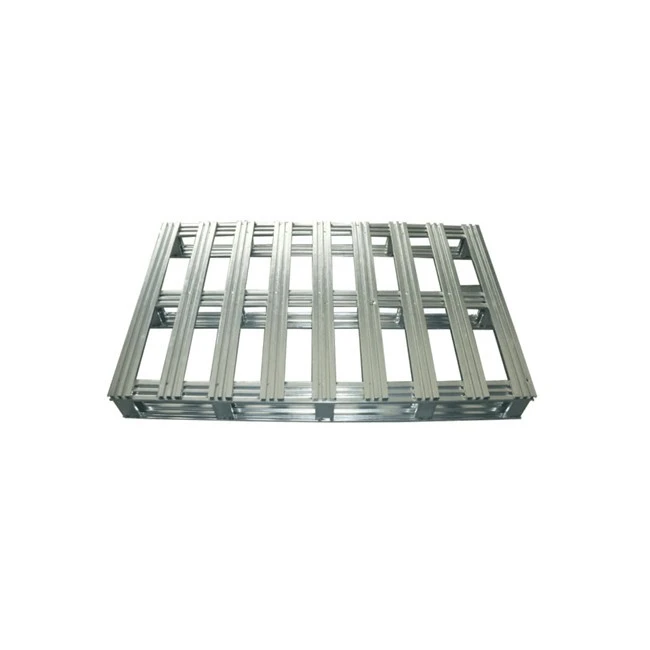

The standardized dimensions of steel pallets make them suitable for use with most types of handling equipment, regardless of the manufacturer or model. This means that businesses can invest in a single type of pallet and use it with different types of equipment, improving efficiency and reducing costs. Additionally, steel pallets are often equipped with features such as forklift pockets or handholds, which make them easy to handle and maneuver.
Longevity and Sustainability
Investing in steel flat pallets can provide long-term safety benefits for businesses. Unlike wooden pallets, which have a relatively short lifespan and need to be replaced frequently, steel pallets are durable and can last for many years with proper maintenance. This reduces the need for frequent pallet replacement, which can save businesses time and money in the long run.
In addition to their longevity, steel pallets are also a sustainable choice. Steel is a recyclable material, which means that at the end of their useful life, steel pallets can be recycled and used to make new products. This reduces the environmental impact of pallet disposal and helps to conserve natural resources.
Conclusion
In conclusion, steel flat pallets offer a wide range of safety features that make them a reliable choice for businesses across different industries. Their structural integrity, load stability, fire resistance, hygiene, compatibility with handling equipment, longevity, and sustainability all contribute to a safer working environment and more efficient operations.
If you're in the market for high-quality steel flat pallets, I encourage you to contact us to discuss your specific needs. Our team of experts can help you choose the right pallets for your business and provide you with the support and guidance you need to ensure a successful purchase. Whether you're looking for standard pallets or custom solutions, we have the expertise and resources to meet your requirements.
References
- "Steel Pallets: The Ultimate Guide." Material Handling & Logistics, [Date Accessed].
- "Benefits of Steel Pallets in the Workplace." Occupational Safety and Health Administration (OSHA), [Date Accessed].
- "Fire Resistance of Steel Structures." National Fire Protection Association (NFPA), [Date Accessed].


