


As a seasoned supplier of lifting slings, I've witnessed firsthand the crucial role these tools play in various industries. Lifting slings are the unsung heroes of heavy lifting operations, bearing the weight and ensuring the safe transfer of loads. However, like any other equipment, they are subject to wear and tear over time. Recognizing the signs of wear and tear on a lifting sling is not only essential for maintaining operational safety but also for extending the lifespan of your equipment. In this blog post, I'll share some common signs of wear and tear on lifting slings and explain why it's important to address them promptly.
Physical Damage
One of the most obvious signs of wear and tear on a lifting sling is physical damage. This can include cuts, abrasions, punctures, and tears in the sling material. Physical damage can occur due to a variety of factors, such as contact with sharp edges, rough surfaces, or heavy loads. Even minor cuts and abrasions can weaken the sling's structure and reduce its load-bearing capacity. Therefore, it's important to inspect your slings regularly for any signs of physical damage.
If you notice any cuts, abrasions, or tears in your lifting sling, it's crucial to take immediate action. Depending on the severity of the damage, you may need to repair or replace the sling. Minor cuts and abrasions can sometimes be repaired using appropriate repair kits, but more severe damage may require the sling to be replaced. Remember, a damaged sling is a safety hazard, and using it can put your workers and equipment at risk.
Fraying and Unraveling
Fraying and unraveling are another common sign of wear and tear on lifting slings. Over time, the individual strands of the sling material can start to separate and fray, especially in areas where the sling is subjected to high stress or friction. Fraying and unraveling can weaken the sling's structure and reduce its strength, making it more prone to failure.
To prevent fraying and unraveling, it's important to use your lifting slings correctly and avoid subjecting them to excessive stress or friction. Make sure to follow the manufacturer's guidelines for proper use and maintenance of the slings. Additionally, inspect your slings regularly for any signs of fraying or unraveling. If you notice any frayed or unraveled strands, it's best to replace the sling to ensure safe operation.
Corrosion and Rust
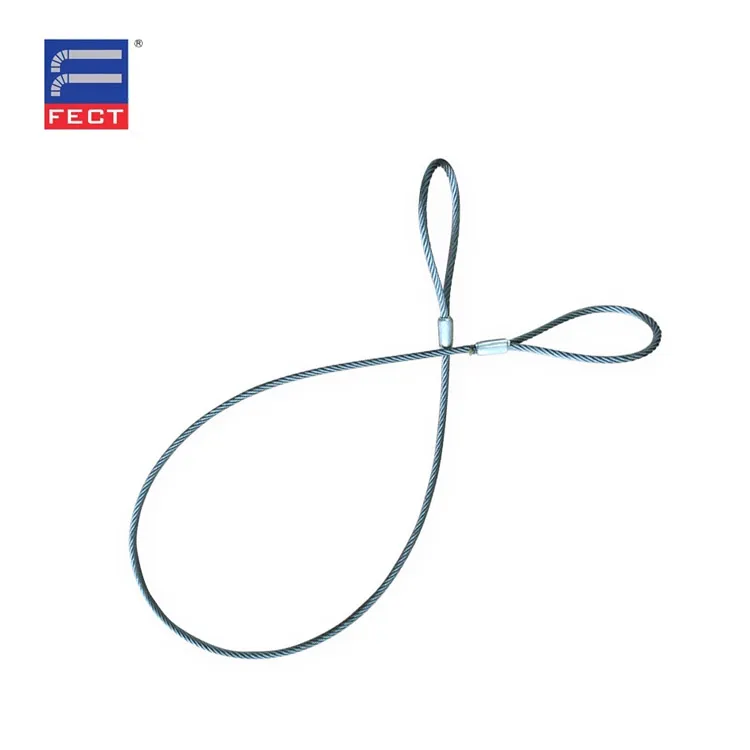
Corrosion and rust are particularly common in lifting slings made of metal, such as Pressed Wire Rope Slings and Stainless Steel Lifting Slings. Exposure to moisture, chemicals, and other corrosive substances can cause the metal to corrode and rust over time. Corrosion and rust can weaken the sling's structure and reduce its load-bearing capacity, making it unsafe for use.
To prevent corrosion and rust, it's important to store your lifting slings in a dry, clean environment and avoid exposing them to moisture or corrosive substances. If your slings are exposed to moisture or chemicals, make sure to clean and dry them thoroughly after each use. Additionally, consider using slings made of corrosion-resistant materials, such as stainless steel, in environments where corrosion is a concern.
Loss of Elasticity
Lifting slings made of synthetic materials, such as nylon or polyester, can lose their elasticity over time due to repeated stretching and relaxation. Loss of elasticity can cause the sling to become stiff and less flexible, making it more difficult to use and increasing the risk of damage. Additionally, a sling with reduced elasticity may not be able to distribute the load evenly, which can lead to premature failure.

To prevent loss of elasticity, it's important to use your synthetic lifting slings within their recommended load limits and avoid overstretching them. Make sure to follow the manufacturer's guidelines for proper use and maintenance of the slings. Additionally, inspect your slings regularly for any signs of loss of elasticity. If you notice that a sling has become stiff or less flexible, it may be time to replace it.
Deformation and Distortion
Deformation and distortion can occur in lifting slings due to excessive loads, improper use, or exposure to high temperatures. Deformation and distortion can change the shape and structure of the sling, making it less effective and increasing the risk of failure. For example, a sling that has been deformed or distorted may not be able to grip the load securely, which can cause the load to shift or fall during lifting.
To prevent deformation and distortion, it's important to use your lifting slings within their recommended load limits and avoid subjecting them to excessive stress or heat. Make sure to follow the manufacturer's guidelines for proper use and maintenance of the slings. Additionally, inspect your slings regularly for any signs of deformation or distortion. If you notice any changes in the shape or structure of a sling, it's best to replace it to ensure safe operation.
Importance of Regular Inspections
Regular inspections are essential for detecting signs of wear and tear on lifting slings and ensuring their safe operation. By inspecting your slings regularly, you can identify any potential issues early on and take appropriate action to prevent accidents and equipment damage. Inspections should be conducted before each use and at regular intervals, depending on the frequency of use and the working environment.
During an inspection, you should check the sling for any signs of physical damage, fraying, corrosion, loss of elasticity, deformation, or distortion. Make sure to inspect the entire length of the sling, including the eyes, fittings, and any other components. Additionally, check the sling for any signs of wear or damage in areas where it comes into contact with the load or other equipment.
If you're unsure how to conduct a proper inspection of your lifting slings, consider consulting the manufacturer's guidelines or hiring a qualified inspector. A qualified inspector can provide you with a detailed inspection report and recommend any necessary repairs or replacements.
Conclusion
As a lifting sling supplier, I understand the importance of ensuring the safety and reliability of your equipment. By recognizing the signs of wear and tear on lifting slings and taking appropriate action, you can prevent accidents, extend the lifespan of your equipment, and save money in the long run. Remember to inspect your slings regularly, follow the manufacturer's guidelines for proper use and maintenance, and replace any damaged or worn slings promptly.
If you're in the market for high-quality lifting slings or need more information about our products, please don't hesitate to contact us. We offer a wide range of lifting slings, including Pressed Wire Rope Slings, Stainless Steel Lifting Slings, and Pressed and Spliced Wire Sling, to meet your specific needs. Our team of experts is always available to answer your questions and provide you with personalized solutions. Contact us today to start a conversation about your lifting sling requirements.
References
- ASME B30.9 - Slings: This standard provides guidelines for the design, construction, inspection, maintenance, and use of slings.
- OSHA Regulations: Occupational Safety and Health Administration (OSHA) regulations govern the safe use of lifting equipment, including slings, in the workplace.


