


Hey there! As a supplier of Stainless Steel Pipes, I often get asked about the wall thickness options for these pipes. It's a crucial aspect that can significantly impact the performance and suitability of the pipes for different applications. So, let's dive right in and explore the various wall thickness options available.
Understanding Wall Thickness in Stainless Steel Pipes
Wall thickness in stainless steel pipes refers to the measurement of the material between the inner and outer surfaces of the pipe. It plays a vital role in determining the pipe's strength, durability, and resistance to pressure, corrosion, and other environmental factors. The right wall thickness ensures that the pipe can withstand the demands of its intended use without compromising on safety or efficiency.
Standard Wall Thickness Options
There are several standard wall thickness options for stainless steel pipes, which are commonly used in various industries. These options are typically specified by industry standards and codes, ensuring consistency and compatibility in different applications. Here are some of the most common wall thickness designations:
Schedule Numbers
One of the most widely used systems for specifying wall thickness in stainless steel pipes is the schedule number system. Schedule numbers, such as Sch 5, Sch 10, Sch 40, and Sch 80, indicate the relative wall thickness of the pipe. The higher the schedule number, the thicker the wall. For example, a Sch 80 pipe has a thicker wall than a Sch 40 pipe of the same nominal diameter.
- Schedule 5: This is the thinnest wall thickness option in the schedule number system. It is commonly used for low-pressure applications or where weight is a critical factor, such as in architectural or decorative applications.
- Schedule 10: Slightly thicker than Schedule 5, Schedule 10 pipes are suitable for moderate-pressure applications, such as in plumbing, HVAC systems, and some industrial processes.
- Schedule 40: This is the most commonly used wall thickness for general-purpose applications. It provides a good balance between strength and cost, making it suitable for a wide range of applications, including water supply, drainage, and structural support.
- Schedule 80: With a thicker wall than Schedule 40, Schedule 80 pipes are designed for high-pressure applications, such as in chemical processing, oil and gas industries, and power generation.
Nominal Wall Thickness
In addition to the schedule number system, stainless steel pipes may also be specified by their nominal wall thickness in inches or millimeters. Nominal wall thickness is an approximate value that represents the average wall thickness of the pipe. It is often used in conjunction with the nominal diameter to describe the size of the pipe.
Factors Affecting Wall Thickness Selection
When choosing the appropriate wall thickness for stainless steel pipes, several factors need to be considered. These factors can vary depending on the specific application and operating conditions. Here are some of the key factors to keep in mind:
Pressure Rating
The pressure rating of the application is one of the most critical factors in determining the required wall thickness. Higher-pressure applications typically require thicker walls to withstand the internal pressure without bursting or leaking. It's essential to consult the relevant industry standards and codes to ensure that the selected wall thickness meets the pressure requirements of the application.

Fluid or Gas Type
The type of fluid or gas being transported through the pipe can also influence the wall thickness selection. Corrosive fluids or gases may require thicker walls or pipes made from more corrosion-resistant materials to prevent damage and ensure long-term performance. Additionally, the temperature and viscosity of the fluid or gas can affect the flow characteristics and pressure drop, which may also impact the wall thickness requirements.
Environmental Conditions
The environmental conditions in which the pipe will be installed can also play a role in the wall thickness selection. Pipes exposed to harsh weather conditions, such as extreme temperatures, high humidity, or corrosive atmospheres, may require thicker walls or additional protective coatings to prevent corrosion and damage. Similarly, pipes installed underground or in areas with high soil acidity or moisture content may need to be more robust to withstand the environmental stresses.
Structural Requirements
In some applications, the pipe may need to provide structural support or withstand external loads. For example, pipes used in building construction or structural frameworks may require thicker walls to ensure adequate strength and stability. The design and engineering requirements of the specific application should be carefully considered to determine the appropriate wall thickness for structural purposes.
Custom Wall Thickness Options
In addition to the standard wall thickness options, we also offer custom wall thickness solutions to meet the specific requirements of our customers. Whether you need a thicker or thinner wall than the standard options, or a non-standard wall thickness for a unique application, we can work with you to provide a tailored solution. Our experienced team of engineers and technicians can help you determine the optimal wall thickness based on your specific needs and requirements.
Benefits of Choosing the Right Wall Thickness
Selecting the right wall thickness for your stainless steel pipes is crucial for ensuring the long-term performance and reliability of your system. Here are some of the benefits of choosing the appropriate wall thickness:
Enhanced Durability
A pipe with the right wall thickness is more resistant to damage, corrosion, and wear, ensuring a longer service life and reduced maintenance costs. Thicker walls can provide additional protection against external forces, such as impact, vibration, and pressure fluctuations, minimizing the risk of leaks and failures.
Improved Safety
Using pipes with the appropriate wall thickness helps to ensure the safety of your system and the people who interact with it. Thicker walls can withstand higher pressures and stresses, reducing the risk of pipe bursts or leaks that could cause injury or damage to property. Additionally, pipes made from high-quality stainless steel materials with the right wall thickness are more resistant to corrosion, which can prevent the release of harmful contaminants into the environment.
Optimal Performance
The right wall thickness can also improve the performance of your system by reducing pressure drop, improving flow characteristics, and minimizing energy consumption. Pipes with the appropriate wall thickness are designed to provide efficient and reliable fluid or gas transportation, ensuring that your system operates at its best.
Conclusion
In conclusion, the wall thickness of stainless steel pipes is a critical factor that can significantly impact the performance, durability, and safety of your system. By understanding the standard wall thickness options, considering the factors that affect wall thickness selection, and choosing the right wall thickness for your specific application, you can ensure that your pipes meet the requirements of your project and provide long-term reliability.
If you're in the market for Stainless Steel Pipes or need more information about wall thickness options, please don't hesitate to contact us. Our team of experts is here to help you find the right solution for your needs. We offer a wide range of stainless steel pipes with various wall thickness options, as well as custom solutions to meet your specific requirements. Whether you're working on a small residential project or a large industrial installation, we have the expertise and resources to provide you with high-quality products and exceptional service.
References
- ASME B36.19M - Stainless Steel Pipe
- ASTM A312 - Standard Specification for Seamless, Welded, and Heavily Cold Worked Austenitic Stainless Steel Pipes
- API 5L - Specification for Line Pipe
Remember, when it comes to stainless steel pipes, choosing the right wall thickness is essential for ensuring the success of your project. So, take the time to consider your options and consult with our experts to make an informed decision. We look forward to working with you!
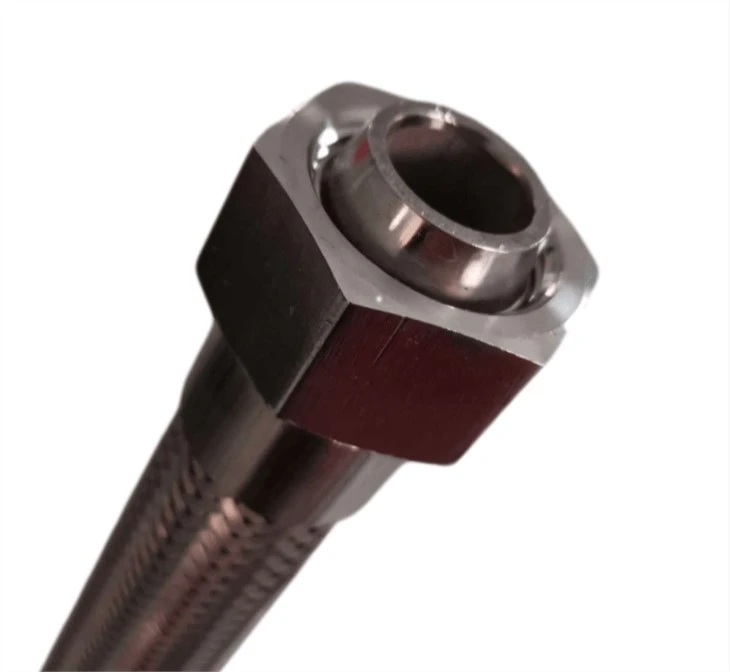
24 Degree Cone with O-ring Sealing Connector Steel Metal Hose
Stainless Steel Pipes
24 Degree Cone with O-ring Sealing connector flexible metal corrugated hose assembly


