


Hey there! As a supplier of Stainless Steel Hoses, I often get asked about the burst pressure of these nifty pieces of equipment. So, I thought I'd sit down and write a little something to clear up any confusion.
First off, let's talk about what burst pressure actually means. In simple terms, burst pressure is the maximum amount of pressure a hose can withstand before it fails catastrophically. This is different from the working pressure, which is the normal amount of pressure the hose is designed to handle on a regular basis. The burst pressure is like the "breaking point" of the hose, and it's a crucial factor to consider when choosing the right hose for your application.
Now, when it comes to stainless steel hoses, the burst pressure can vary depending on a few different factors. One of the biggest factors is the type of stainless steel used. There are different grades of stainless steel, each with its own unique properties. For example, 304 stainless steel is a common choice because it's corrosion-resistant and has good strength. However, if you need a hose that can handle higher pressures, you might want to consider a higher-grade stainless steel like 316.
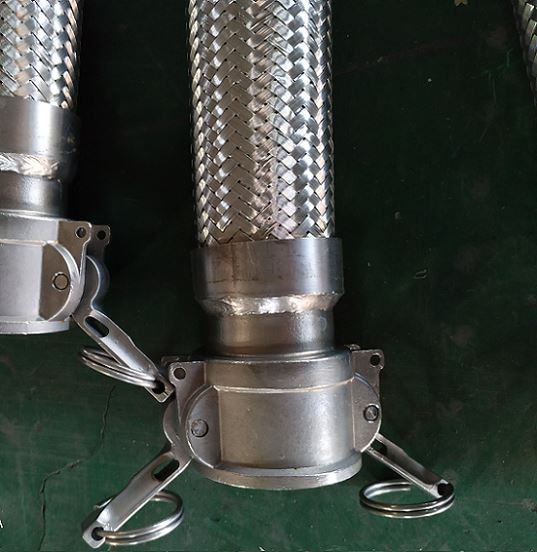
Another factor that affects burst pressure is the construction of the hose. Stainless steel hoses can be made in different ways, such as braided or corrugated. Braided hoses are generally stronger and can handle higher pressures because the braiding adds an extra layer of reinforcement. Corrugated hoses, on the other hand, are more flexible but may have a lower burst pressure.
The size of the hose also plays a role. Generally speaking, larger hoses can handle more pressure than smaller ones. This is because the larger diameter provides more surface area for the pressure to distribute evenly. However, it's important to note that the burst pressure isn't directly proportional to the size of the hose. There are other factors, like the wall thickness and the type of fittings used, that also come into play.
So, how do you determine the burst pressure of a stainless steel hose? Well, most manufacturers will provide this information in the product specifications. You can usually find the burst pressure rating listed in pounds per square inch (psi) or bar. It's important to make sure you choose a hose with a burst pressure rating that is higher than the maximum pressure your application will ever reach. This provides a safety margin and helps prevent the hose from failing.

Let's say you're working on a project that involves high-pressure fluids. You might be tempted to go for the cheapest hose you can find, but that could be a big mistake. If the burst pressure of the hose is too low, it could burst under pressure, causing a dangerous situation. It's always better to invest in a high-quality hose with a suitable burst pressure rating.
As a supplier of Stainless Steel Hoses, I've seen firsthand the importance of choosing the right hose for the job. We offer a wide range of stainless steel hoses, including Pull Rod Type Quick Joint Connector Steel Metal Hose and Pull Rod Type Quick Joint Connctor. Our hoses are made from high-quality stainless steel and are designed to handle a variety of pressures and applications.
If you're not sure which hose is right for you, our team of experts is here to help. We can answer any questions you have about burst pressure, working pressure, or any other aspect of our products. Just reach out to us, and we'll work with you to find the perfect solution for your needs.
In addition to choosing the right hose, it's also important to install and maintain it properly. Make sure the hose is installed according to the manufacturer's instructions, and use the correct fittings and connectors. Regularly inspect the hose for any signs of damage or wear, and replace it if necessary. By taking these steps, you can ensure that your stainless steel hose will perform reliably and safely for a long time.
So, there you have it! That's a quick overview of what burst pressure is and how it applies to stainless steel hoses. If you have any more questions or if you're ready to start a purchase, don't hesitate to get in touch. We're here to make sure you get the best possible product for your application.
References
- Various industry standards and guidelines on stainless steel hoses
- Manufacturer's product specifications and technical data sheets


