

Hey there! As a lifting sling supplier, I've gotten tons of questions about the difference between single - ply and multi - ply synthetic lifting slings. So, I thought I'd break it down for you in this blog post.
What Are Synthetic Lifting Slings?
Before we dive into the difference between single - ply and multi - ply slings, let's quickly go over what synthetic lifting slings are. These slings are made from high - strength synthetic fibers like polyester, nylon, or polypropylene. They're a popular choice in the lifting industry because they're lightweight, flexible, and resistant to corrosion compared to traditional steel slings.
Single - Ply Synthetic Lifting Slings
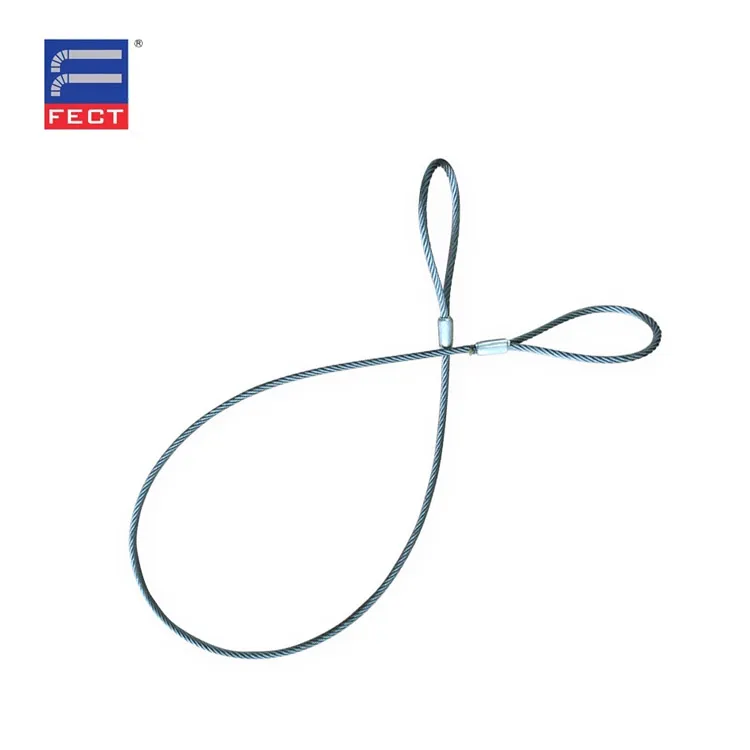
Single - ply synthetic lifting slings are exactly what they sound like: they're made up of a single layer of synthetic material.

Advantages
- Flexibility: One of the biggest perks of single - ply slings is their flexibility. They can easily conform to the shape of the load you're lifting. Whether you're hoisting a round pipe or an oddly - shaped piece of machinery, a single - ply sling can wrap around it snugly. This is great because it distributes the load evenly, reducing the risk of damage to the load.
- Lightweight: Since they're just one layer thick, single - ply slings are super light. This makes them easy to handle, especially when you're working in tight spaces or need to move the sling around a lot. You won't have to struggle with a heavy, bulky sling, which can save you time and energy on the job.
- Cost - Effective: Generally, single - ply slings are more affordable than multi - ply ones. If you're on a tight budget or only need a sling for light - duty applications, a single - ply sling can be a great option.
Disadvantages
- Lower Load Capacity: The main drawback of single - ply slings is their lower load - bearing capacity. Because they're only one layer thick, they can't handle as much weight as multi - ply slings. So, if you're dealing with heavy loads, a single - ply sling might not be up to the task.
- Less Durable: Single - ply slings are also less durable than multi - ply ones. They're more prone to wear and tear, especially if they're used frequently or in harsh environments. Abrasion, cuts, and UV exposure can all take a toll on a single - ply sling, reducing its lifespan.
Multi - Ply Synthetic Lifting Slings
Multi - ply synthetic lifting slings, on the other hand, are made up of multiple layers of synthetic material.
Advantages
- Higher Load Capacity: The most obvious advantage of multi - ply slings is their ability to handle heavier loads. The multiple layers work together to distribute the weight more effectively, allowing the sling to lift much more than a single - ply one. If you're in the business of lifting large, heavy objects like construction equipment or industrial machinery, a multi - ply sling is a must - have.
- Greater Durability: With multiple layers, multi - ply slings are more resistant to wear and tear. They can withstand more abuse in tough working conditions, such as high - abrasion environments or areas with lots of sharp edges. This means they'll last longer, saving you money in the long run by reducing the need for frequent replacements.
- Enhanced Safety: When it comes to safety, multi - ply slings have an edge. Their higher load capacity and greater durability mean there's less risk of the sling breaking under the weight of the load. This gives you peace of mind knowing that your load is secure during the lifting process.
Disadvantages
- Less Flexible: Compared to single - ply slings, multi - ply slings are less flexible. They're thicker and stiffer, which can make it a bit more challenging to wrap them around irregularly - shaped loads. In some cases, you might need to use additional equipment or techniques to ensure a proper fit.
- Heavier and Bulkier: The multiple layers also make multi - ply slings heavier and bulkier. This can be a hassle to handle, especially if you're working in a confined space. You'll need to put in more effort to move the sling around, and it might not be as easy to store when not in use.
- Higher Cost: As you might expect, multi - ply slings are more expensive than single - ply ones. The additional materials and manufacturing processes required to make them drive up the cost. So, if you don't need the extra load capacity or durability, investing in a multi - ply sling might not be worth it.
Applications
- Single - Ply Slings: Single - ply slings are ideal for light - to - medium - duty applications. You can use them for tasks like lifting furniture, small - scale construction projects, or moving boxes in a warehouse. For example, if you're a contractor doing some home renovations and need to lift a few sheets of drywall, a single - ply sling would be a good choice. Check out Steel Wire Rope Slings for Lifting for more options in the lifting sling category.
- Multi - Ply Slings: Multi - ply slings are better suited for heavy - duty applications. They're commonly used in industries like construction, manufacturing, and shipping. If you're building a high - rise building and need to lift steel beams or large concrete blocks, a multi - ply sling is what you need. You can also explore Pressed Wire Rope Slings and Pressed and Spliced Wire Sling for more heavy - duty lifting solutions.
Choosing the Right Sling
When it comes to choosing between a single - ply and multi - ply synthetic lifting sling, there are a few things you need to consider:
- Load Weight: The most important factor is the weight of the load you'll be lifting. If it's a light load, a single - ply sling will do the job. But if it's heavy, you'll need a multi - ply sling.
- Load Shape: The shape of the load also matters. If it's an irregular shape, a single - ply sling's flexibility might be an advantage. However, if the load is large and heavy, a multi - ply sling's higher load capacity will be more important.
- Working Environment: Think about the environment where you'll be using the sling. If it's a rough, abrasive environment, a multi - ply sling's durability will come in handy. But if you're working in a clean, indoor space, a single - ply sling might be sufficient.
Conclusion
In conclusion, both single - ply and multi - ply synthetic lifting slings have their own unique advantages and disadvantages. Single - ply slings are flexible, lightweight, and cost - effective, but they have a lower load capacity and are less durable. Multi - ply slings, on the other hand, can handle heavier loads and are more durable, but they're less flexible, heavier, and more expensive.
As a lifting sling supplier, I can help you find the right sling for your specific needs. Whether you need a single - ply sling for light - duty work or a multi - ply sling for heavy - duty applications, I've got you covered. If you're interested in learning more or making a purchase, feel free to reach out. I'm here to assist you in getting the best lifting solution for your projects.
References
- "Lifting Sling Handbook" by an industry expert.
- Various product manuals from leading lifting sling manufacturers.