

When it comes to outdoor storage and transportation solutions, wire mesh containers have gained significant popularity due to their durability, versatility, and cost - effectiveness. As a wire mesh container supplier, I often receive inquiries about the UV resistance of these products, especially when they are used outdoors. In this blog, I will delve into the details of the UV resistance of wire mesh containers, exploring the factors that affect it and how to ensure long - term performance.
Understanding UV Radiation and Its Impact on Wire Mesh Containers
Ultraviolet (UV) radiation is a part of the electromagnetic spectrum emitted by the sun. It is divided into three types: UVA, UVB, and UVC. UVC is mostly absorbed by the Earth's atmosphere, while UVA and UVB reach the surface and can cause damage to various materials.
For wire mesh containers, UV radiation can lead to several problems. Firstly, it can cause the surface coating of the wire mesh to degrade. Most wire mesh containers are coated to prevent corrosion and enhance their appearance. UV rays can break down the chemical bonds in the coating, leading to fading, chalking, and eventually, peeling. This not only makes the container look less appealing but also exposes the underlying metal to the elements, increasing the risk of rust and corrosion.
Secondly, UV radiation can weaken the mechanical properties of the wire itself. Over time, the repeated exposure to UV rays can cause the wire to become brittle, reducing its tensile strength and flexibility. This can result in the wire breaking more easily, especially when the container is subjected to stress during handling or storage.
Factors Affecting the UV Resistance of Wire Mesh Containers
Coating Material
The type of coating used on the wire mesh container plays a crucial role in its UV resistance. There are several common coating materials, each with its own level of protection against UV radiation.
- Powder Coating: Powder coating is a popular choice for wire mesh containers. It provides a thick, durable layer of protection that can resist UV rays to a certain extent. High - quality powder coatings are formulated with UV stabilizers, which help to absorb and dissipate the UV energy, preventing it from reaching the underlying metal. However, the effectiveness of powder coating depends on the quality of the coating and the application process. A well - applied powder coating can last for several years outdoors, but if it is not applied correctly or is of low quality, it may start to degrade more quickly.
- Galvanized Coating: Galvanized coating involves applying a layer of zinc to the wire mesh. Zinc is a naturally corrosion - resistant metal, and it also provides some protection against UV radiation. The zinc layer acts as a sacrificial anode, corroding in place of the underlying steel. However, galvanized coatings are more prone to white rust when exposed to high humidity and UV radiation. To enhance the UV resistance of galvanized wire mesh containers, a top - coat of paint or a clear protective coating can be applied.
- Plastic Coating: Plastic coatings, such as polyethylene or PVC, can provide excellent UV resistance. These coatings are designed to be flexible and can withstand the expansion and contraction of the wire mesh due to temperature changes. They also have good weatherability and can protect the wire from UV damage for an extended period. However, plastic coatings may be more expensive than other coating options and may require special handling during installation.
Wire Material
The type of wire used in the container also affects its UV resistance. Stainless steel wire is generally more resistant to UV radiation than carbon steel wire. Stainless steel contains chromium, which forms a passive oxide layer on the surface of the wire, protecting it from corrosion and UV damage. Additionally, stainless steel has better mechanical properties and is less likely to become brittle under UV exposure.
Container Design
The design of the wire mesh container can also impact its UV resistance. Containers with a more open design, allowing for better air circulation, are less likely to trap moisture, which can exacerbate the effects of UV radiation. On the other hand, containers with a closed or enclosed design may be more prone to moisture buildup, leading to faster degradation of the coating and the wire.
Testing and Standards for UV Resistance
To ensure the quality and UV resistance of wire mesh containers, various testing methods and standards are available. One common test is the accelerated weathering test, which simulates long - term outdoor exposure in a controlled laboratory environment. In this test, the container is exposed to high - intensity UV radiation, along with cycles of heat, humidity, and rain. The container is then inspected at regular intervals for signs of degradation, such as fading, cracking, or rusting.
There are also industry standards that specify the requirements for UV resistance in wire mesh containers. For example, some standards may require a certain level of color retention after a specified period of UV exposure or a minimum tensile strength after weathering. As a supplier, we ensure that our wire mesh containers meet or exceed these standards to provide our customers with high - quality products.
Enhancing the UV Resistance of Wire Mesh Containers
Proper Coating Selection
As mentioned earlier, choosing the right coating material is essential for enhancing the UV resistance of wire mesh containers. We recommend using high - quality powder coatings with UV stabilizers or plastic coatings for outdoor applications. Additionally, applying a clear top - coat over the primary coating can provide an extra layer of protection against UV radiation.
Regular Maintenance
Regular maintenance can also help to extend the lifespan of wire mesh containers and improve their UV resistance. This includes cleaning the containers regularly to remove dirt, debris, and any corrosive substances. Inspecting the containers for signs of damage, such as scratches or chips in the coating, and repairing them promptly can prevent further degradation.
Storage and Handling
Proper storage and handling of wire mesh containers can also reduce the impact of UV radiation. Storing the containers in a shaded area or under a protective cover when not in use can minimize their exposure to direct sunlight. During handling, care should be taken to avoid scratching or damaging the coating, as this can expose the underlying metal to UV rays and moisture.
Conclusion
In conclusion, the UV resistance of wire mesh containers is an important factor to consider when using them outdoors. By understanding the factors that affect UV resistance, such as coating material, wire material, and container design, and taking appropriate measures to enhance it, such as proper coating selection, regular maintenance, and correct storage and handling, we can ensure that our wire mesh containers provide long - lasting performance and durability.
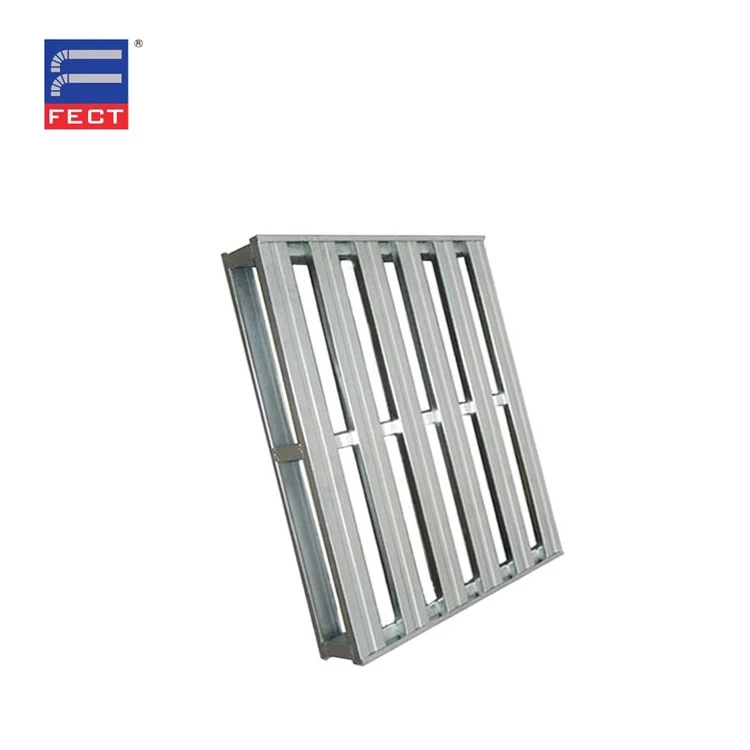
As a wire mesh container supplier, we are committed to providing our customers with high - quality products that meet their outdoor storage and transportation needs. Our wire mesh containers are available in a variety of designs and configurations, including Metal Pallet Racks, Sturdy Metal Pallet, and Wire Mesh Pallet Cage.
If you are interested in learning more about our wire mesh containers or have any questions about their UV resistance, please feel free to contact us. We would be glad to discuss your specific requirements and provide you with a customized solution.

References
- ASTM International. (20XX). Standard test methods for evaluating the performance of coatings on metal substrates.
- Corrosion Doctors. (20XX). UV radiation and its effects on metals.
- Wire Mesh Manufacturers Association. (20XX). Guidelines for outdoor use of wire mesh products.