

Hey there! I'm a supplier of Fire Sprinkler Flex Hoses, and today I want to dig into a question that comes up a lot: Are fire sprinkler flex hoses compatible with different water sources? It's a super important topic, especially when it comes to fire safety. So, let's get right into it.
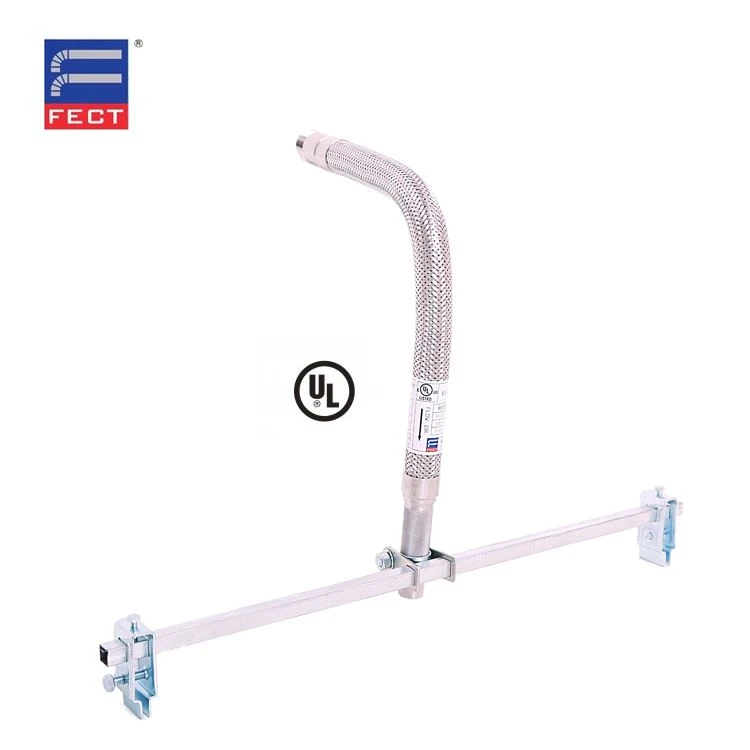
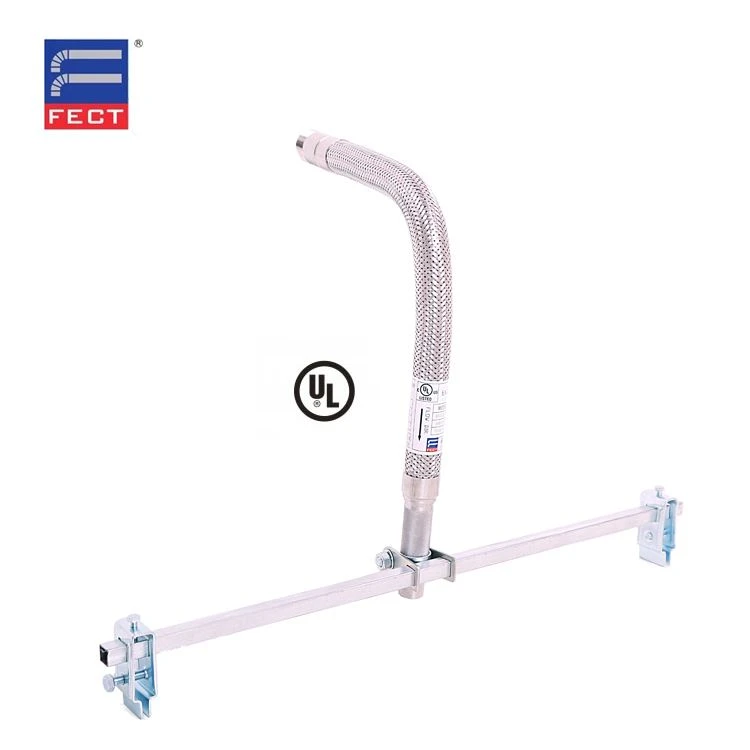
First off, what are fire sprinkler flex hoses? Well, these bad boys, also known as Fire Sprinkler Flex Hose, Fire Sprinkler Flexible Hose, and Fire Fighting Sprinkler Hose, are essential components in fire sprinkler systems. They connect the sprinkler heads to the water supply pipes, allowing water to flow when a fire breaks out.
Now, let's talk about different water sources. There are several types of water sources that can be used in fire sprinkler systems, and each has its own characteristics.
Municipal Water Supply
The most common water source for fire sprinkler systems is the municipal water supply. This is the water that comes from the local water treatment plant and is distributed through the city's pipes. It's usually treated to meet certain standards for drinking water, which means it's relatively clean and free of major contaminants.
Fire sprinkler flex hoses are generally very compatible with municipal water. They're designed to handle the normal pressure and flow rates of a municipal water supply. However, there can be some issues. Sometimes, the water may contain small amounts of minerals or chemicals that can cause corrosion over time. That's why it's important to choose high - quality hoses made from materials like stainless steel, which are resistant to corrosion.
Well Water
Well water is another option, especially in rural areas. Well water can vary widely in its quality. It may contain high levels of minerals such as calcium, magnesium, and iron. These minerals can cause scaling inside the fire sprinkler flex hoses. Scaling can reduce the flow of water through the hoses and may even block the sprinkler heads over time.
To make fire sprinkler flex hoses compatible with well water, additional water treatment may be required. This could include installing a water softener or a filtration system to remove the minerals before the water enters the sprinkler system. Also, using hoses with a smooth interior surface can help prevent the build - up of scale.
Rainwater Harvesting
Rainwater harvesting is becoming more popular as a sustainable water source. Collected rainwater is generally soft and free of many of the contaminants found in well water or municipal water. However, it can contain debris such as leaves, twigs, and dirt.
Before using rainwater in a fire sprinkler system, it needs to be properly filtered. Fire sprinkler flex hoses can be compatible with rainwater as long as the water is clean. A good filtration system can remove the debris and ensure that the water flowing through the hoses is clear and won't cause any blockages.
Recycled Water
Recycled water, also known as reclaimed water, is treated wastewater that is reused for non - potable purposes. Recycled water can contain a variety of contaminants, including bacteria, viruses, and chemicals.
Using recycled water in a fire sprinkler system requires careful consideration. Not all fire sprinkler flex hoses are compatible with recycled water. Hoses need to be made from materials that can withstand the potential corrosive effects of the chemicals in the recycled water. Additionally, the water needs to be treated to a high enough standard to prevent the growth of harmful microorganisms.
Compatibility Factors
When it comes to determining the compatibility of fire sprinkler flex hoses with different water sources, there are a few key factors to consider:
Material of the Hose
As mentioned earlier, the material of the fire sprinkler flex hose is crucial. Stainless steel hoses are a popular choice because they're resistant to corrosion and can handle a wide range of water qualities. PVC hoses are also used, but they may not be as durable in the long run, especially when exposed to certain chemicals or high - mineral water.
Water Pressure and Flow Rate
Different water sources can have different pressure and flow rates. Fire sprinkler flex hoses need to be able to handle the specific pressure and flow requirements of the water source. For example, a high - pressure water source may require hoses with a thicker wall to prevent bursting.
Contaminants in the Water
The type and amount of contaminants in the water can greatly affect the compatibility of the hoses. As we've seen, minerals, chemicals, and debris can all cause problems. Understanding the water quality and taking steps to treat the water can ensure that the hoses work properly.
Testing and Maintenance
To ensure that fire sprinkler flex hoses are compatible with the chosen water source, regular testing and maintenance are essential.
Water Testing
Testing the water from the source on a regular basis can help identify any potential issues. This can include testing for pH levels, mineral content, and the presence of contaminants. Based on the test results, appropriate measures can be taken to make the water compatible with the hoses.
Hose Inspection
Inspecting the fire sprinkler flex hoses regularly is also important. Look for signs of corrosion, scaling, or damage. If any issues are found, the hoses should be replaced or repaired as soon as possible.
In conclusion, fire sprinkler flex hoses can be compatible with different water sources, but it's not a one - size - fits - all situation. Each water source has its own challenges, and steps need to be taken to ensure that the hoses work effectively and safely. Whether it's treating the water, choosing the right hose material, or performing regular maintenance, making the hoses compatible with the water source is crucial for the proper functioning of the fire sprinkler system.
If you're in the market for high - quality fire sprinkler flex hoses that can handle different water sources, don't hesitate to reach out. We have a wide range of products to meet your needs. Contact us for more information and to discuss your specific requirements. Let's work together to ensure your fire sprinkler system is in top - notch condition.
References
- National Fire Protection Association (NFPA) standards on fire sprinkler systems
- Water quality guidelines from local health departments
- Manufacturer's specifications for fire sprinkler flex hoses


