


The wire diameter is a critical factor that significantly influences the performance of a wire lifting net. As a professional wire lifting net supplier, I have witnessed firsthand how different wire diameters can lead to varying outcomes in practical applications. In this blog, I will delve into the impact of wire diameter on the performance of a wire lifting net from multiple aspects.
Strength and Load - Bearing Capacity
One of the most obvious impacts of wire diameter on a wire lifting net is its strength and load - bearing capacity. Generally speaking, a thicker wire diameter means higher strength and greater load - bearing capacity. This is because the cross - sectional area of the wire increases with the increase of the diameter. According to the basic principles of mechanics, the tensile strength of a wire is directly proportional to its cross - sectional area. For example, a wire with a larger diameter can withstand greater pulling forces without breaking.
In the context of wire lifting nets, when dealing with heavy - duty lifting tasks, such as lifting large and heavy industrial equipment or construction materials, a wire lifting net made of thicker wires is essential. A Steel Wire Rope Net for Crane with a suitable wire diameter can ensure the safety and reliability of the lifting operation. The thick wires can distribute the load evenly across the net, reducing the risk of individual wires breaking under stress. On the contrary, if the wire diameter is too small for the load, the wires may be over - stressed, leading to premature failure and potential safety hazards.
Flexibility and Maneuverability
While a larger wire diameter provides higher strength, it also has an impact on the flexibility and maneuverability of the wire lifting net. Thicker wires are generally less flexible than thinner ones. This lack of flexibility can make it more difficult to handle the net during installation and operation. For instance, when it comes to wrapping the net around irregularly - shaped objects, a more flexible net made of thinner wires can conform better to the shape of the load.
A Wire Rope Net for Lifting with a relatively small wire diameter is often preferred in applications where precise positioning and easy handling are required. In some delicate lifting operations, such as lifting artworks or fragile equipment, the flexibility of the net can prevent damage to the load. However, it is important to note that the reduction in flexibility due to a larger wire diameter is not always a negative factor. In some cases, a stiffer net can provide better stability during lifting, especially when dealing with large and bulky loads that need to be held firmly in place.
Durability and Wear Resistance
The wire diameter also plays a crucial role in the durability and wear resistance of the wire lifting net. Thicker wires are generally more resistant to abrasion and wear. In harsh working environments, such as construction sites or mining areas, the net is often exposed to rough surfaces and sharp edges. A wire lifting net made of thick wires can withstand the friction and wear caused by these conditions for a longer period of time.
The durability of a Wire Lifting Net is especially important for long - term and high - frequency use. A net with good wear resistance can reduce the frequency of replacement, saving both time and cost for the users. On the other hand, thinner wires are more prone to wear and may need to be replaced more frequently, which can increase the overall cost of the lifting operation.
Cost - Effectiveness
When considering the impact of wire diameter on the performance of a wire lifting net, cost - effectiveness is an important aspect. Thicker wires usually cost more than thinner ones due to the higher amount of raw materials used. However, as mentioned above, they offer higher strength, better durability, and sometimes better stability. In some cases, the initial higher cost of a net made of thick wires can be offset by its longer service life and lower maintenance requirements.
For light - duty lifting tasks or applications with a limited budget, a wire lifting net with a smaller wire diameter may be a more cost - effective choice. But for heavy - duty and long - term applications, investing in a net with a larger wire diameter can be a wise decision in the long run. It is essential for customers to balance the performance requirements with the cost when choosing the appropriate wire diameter for their wire lifting nets.
Corrosion Resistance
In addition to the mechanical properties, the wire diameter can also affect the corrosion resistance of the wire lifting net. Thicker wires generally have a larger volume of metal, which can provide a certain degree of protection against corrosion. However, the corrosion resistance also depends on the material and coating of the wires.
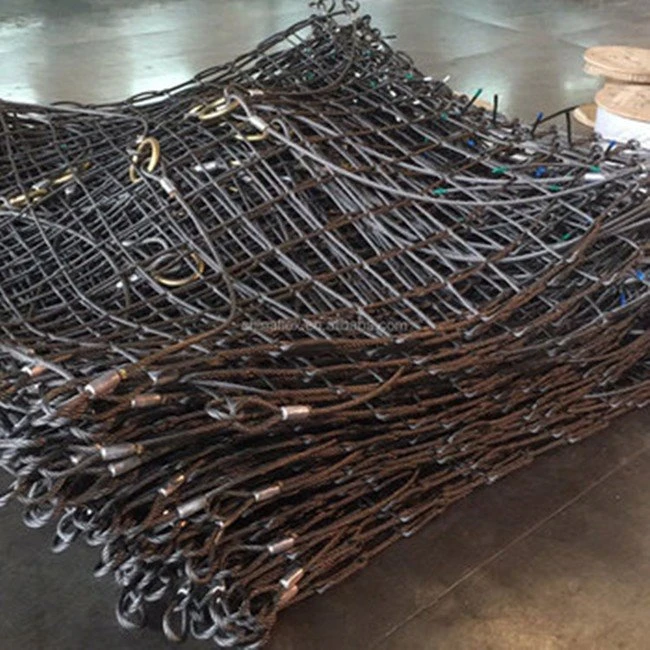

In corrosive environments, such as coastal areas or chemical plants, it is crucial to choose a wire lifting net with good corrosion - resistant properties. Even with a larger wire diameter, if the material is not corrosion - resistant, the net may still be damaged over time. Therefore, customers should consider both the wire diameter and the anti - corrosion measures when selecting a wire lifting net for such environments.
Choosing the Right Wire Diameter
As a wire lifting net supplier, I often receive inquiries from customers about how to choose the right wire diameter. The choice depends on several factors, including the weight and size of the load, the working environment, the frequency of use, and the budget.
For heavy - duty lifting tasks in harsh environments, a wire lifting net with a larger wire diameter is recommended. This can ensure the safety and reliability of the lifting operation. For light - duty and more delicate applications, a net with a smaller wire diameter may be more suitable due to its flexibility.
It is also important to consult with a professional supplier to get the most accurate advice. At our company, we have a team of experts who can analyze your specific requirements and recommend the most appropriate wire diameter for your wire lifting net.
In conclusion, the wire diameter has a profound impact on the performance of a wire lifting net. It affects the strength, flexibility, durability, cost - effectiveness, and corrosion resistance of the net. As a wire lifting net supplier, we are committed to providing high - quality products with the right wire diameter to meet the diverse needs of our customers. If you are in need of a wire lifting net, please feel free to contact us for a detailed consultation and procurement negotiation. We look forward to working with you to ensure the success of your lifting operations.
References
- Mechanical Engineering Handbook: Covers the basic principles of mechanics related to wire strength and load - bearing capacity.
- Lifting Equipment Standards: Provides guidelines on the selection of wire lifting nets based on different applications.
- Materials Science Journals: Offer research on the properties of different wire materials, including corrosion resistance and wear resistance.


