


Hey there! As a supplier of Fire Sprinkler Hose Pipes, I often get asked if there are chemical - resistant fire sprinkler hose pipes. Well, let's dive right into this topic.
First off, we need to understand the importance of fire sprinkler hose pipes. They are a crucial part of any fire protection system. These hoses are responsible for delivering water or other fire - extinguishing agents to the areas where they are needed most during a fire. But in some environments, these hoses can come into contact with various chemicals. So, the question of chemical resistance is a valid one.
In industrial settings, for example, there could be all sorts of chemicals in the air or on surfaces. Chemicals like acids, alkalis, solvents, and oils are commonly found in factories, refineries, and chemical plants. If a fire breaks out in these places, the fire sprinkler hoses need to be able to withstand exposure to these chemicals without getting damaged. Otherwise, the integrity of the fire protection system could be compromised, and that's a huge risk.
Now, the good news is that yes, there are chemical - resistant fire sprinkler hose pipes available. Manufacturers have recognized the need for such products and have developed hoses that can handle different types of chemical exposures.
One of the materials commonly used to make chemical - resistant fire sprinkler hoses is stainless steel. Stainless steel is known for its durability and resistance to corrosion. It can withstand a wide range of chemicals, including mild acids and alkalis. Our Stainless Steel Flexible Fire Sprinkler Hose is a great example. This hose is made from high - quality stainless steel, which gives it excellent chemical resistance. It's also flexible, making it easy to install in different configurations. Whether you need to run the hose around corners or through tight spaces, the stainless steel flexible hose can do the job.
Another option is the Flexible Sprinkler Hose With Fittings And Anchoring System For Fire Protection Service. This hose not only has chemical - resistant properties but also comes with a complete set of fittings and an anchoring system. The fittings ensure a secure connection between the hose and other components of the fire sprinkler system, while the anchoring system keeps the hose in place, even under high - pressure conditions. This is important because a loose or poorly connected hose can lead to leaks and reduced performance during a fire.
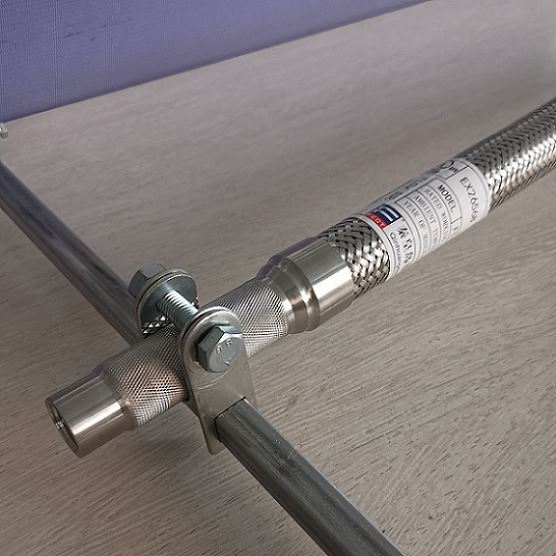
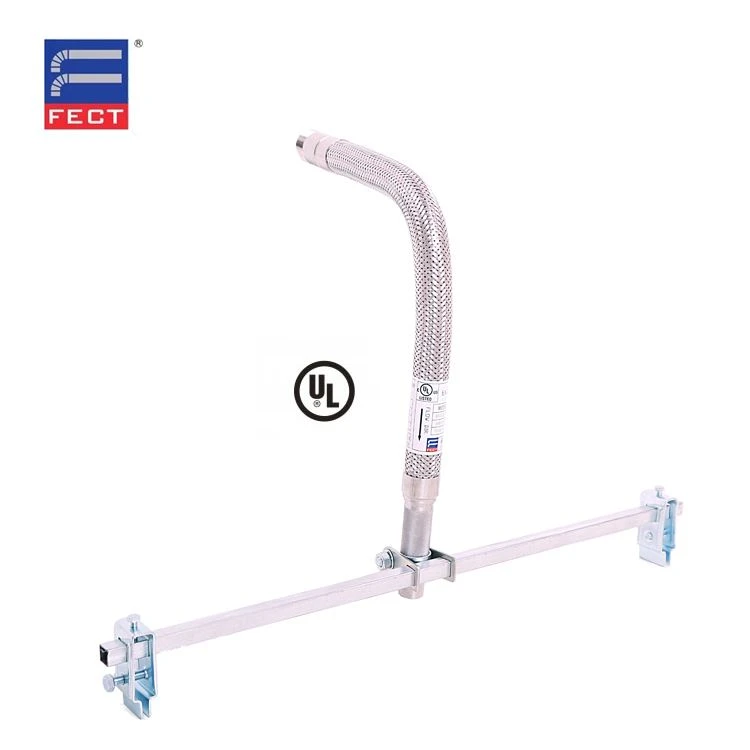
There's also our Fire Sprinkler Flexible Hose. It's designed to be both flexible and chemical - resistant. The flexibility allows for easy installation and adjustment, and the chemical resistance ensures that the hose can last in environments where it might come into contact with various chemicals.
But how do these hoses achieve chemical resistance? Well, it all comes down to the materials and the manufacturing process. When making a chemical - resistant fire sprinkler hose, manufacturers carefully select the materials that will be used. They also use special treatments and coatings to enhance the hose's resistance to chemicals. For example, some hoses might have a lining that is specifically designed to resist certain types of chemicals.
However, it's important to note that not all chemical - resistant hoses are created equal. Different hoses have different levels of chemical resistance, depending on the materials used and the specific design. So, when choosing a fire sprinkler hose for an environment with chemical exposure, you need to consider the types of chemicals that the hose might encounter. You should also look at the hose's specifications and certifications.
UL certification is a well - known and respected certification in the fire protection industry. Our hoses, like the ones I mentioned earlier, are UL - certificated. This means that they have been tested and meet the strict standards set by Underwriters Laboratories. When you choose a UL - certificated chemical - resistant fire sprinkler hose, you can have peace of mind knowing that the hose has been thoroughly tested and is reliable.
In addition to stainless steel, there are other materials that can be used to make chemical - resistant fire sprinkler hoses. For example, some hoses are made from synthetic rubber compounds. These compounds can be formulated to have specific chemical - resistant properties. They can also be more flexible than stainless steel hoses in some cases. However, synthetic rubber hoses might have a shorter lifespan compared to stainless steel hoses, especially in harsh chemical environments.
So, if you're in the market for a fire sprinkler hose for an environment with chemical exposure, you have several options. You can choose a stainless steel hose for its durability and wide - ranging chemical resistance. Or, if you need a more flexible option, you might consider a synthetic rubber hose. Just make sure to do your research and choose a hose that is suitable for your specific needs.
If you're interested in learning more about our chemical - resistant fire sprinkler hoses or have any questions about which hose would be best for your situation, don't hesitate to reach out. We're here to help you make the right choice for your fire protection system. Whether you're a building owner, a contractor, or a facility manager, we can provide you with the information and products you need. Contact us for a detailed discussion and let's work together to ensure the safety of your property and the people in it.
References
- Fire Protection Handbook, National Fire Protection Association
- Underwriters Laboratories Standards for Fire Sprinkler Systems


