


Hey there! As a supplier of Fire Sprinkler Hoses, I've seen my fair share of issues with these crucial safety components. Today, I'm gonna walk you through how to troubleshoot a fire sprinkler hose. Whether you're a building owner, a maintenance guy, or just curious about fire safety, this guide'll come in handy.
1. Visual Inspection
The first step in troubleshooting any fire sprinkler hose is a good old - fashioned visual check. You'd be surprised how many problems can be spotted just by taking a close look.
-
Look for Physical Damage: Start by checking the hose for any visible signs of wear and tear. This includes cuts, abrasions, or bulges. A cut in the hose can lead to leaks, which can reduce the effectiveness of the sprinkler system. If you see a cut, it's a clear sign that the hose needs to be replaced. For example, if the hose is rubbing against a sharp edge in the building structure, it can cause an abrasion over time. You can find high - quality replacement hoses like our Fire Sprinkler Flex Hose on our website.
-
Check the Connections: Make sure all the connections between the hose and the sprinkler system are tight. Loose connections can also lead to leaks. Look for any signs of water seepage around the joints. Sometimes, the O - rings or gaskets in the connections can wear out, causing leaks. If you notice a leak at a connection, try tightening the fittings first. If that doesn't work, you may need to replace the O - ring or gasket.
-
Inspect the Hose for Corrosion: Corrosion can weaken the hose over time. Check for any rust or discoloration on the surface of the hose. This is especially important if the hose is installed in a damp or humid environment. Corrosion can eat away at the metal, making the hose more likely to burst under pressure. If you find signs of corrosion, it's best to replace the hose as soon as possible. Our Automatic Sprinkler Fire System Fire Sprinkler Flexible Hose is made of high - quality materials that are resistant to corrosion.
2. Pressure Testing
Once you've done the visual inspection, it's time to test the pressure of the fire sprinkler hose.
- Use a Pressure Gauge: Attach a pressure gauge to the hose to measure the water pressure. The pressure should be within the recommended range for your sprinkler system. If the pressure is too low, the sprinklers may not work effectively. On the other hand, if the pressure is too high, it can put excessive stress on the hose and other components of the system, increasing the risk of a rupture.
- Check for Pressure Drops: While the system is running, monitor the pressure gauge for any sudden drops. A pressure drop could indicate a leak in the hose or a blockage in the system. If you notice a significant pressure drop, you'll need to investigate further to find the source of the problem.
3. Flow Testing
Flow testing is another important part of troubleshooting a fire sprinkler hose.
- Measure the Water Flow: You can use a flow meter to measure the amount of water flowing through the hose. The flow rate should meet the requirements of your fire safety regulations. If the flow rate is too low, it could mean that there's a blockage in the hose or a problem with the water supply.
- Check for Blockages: Inspect the hose for any blockages. Debris, such as dirt, rust, or small objects, can get into the hose and restrict the water flow. You can try flushing the hose with water to remove any blockages. If that doesn't work, you may need to disassemble the hose and clean it manually. Our Fire Sprinkler Flexible Drop Hose is designed to minimize the risk of blockages.
4. Functionality Testing
Finally, you need to test the overall functionality of the fire sprinkler hose.

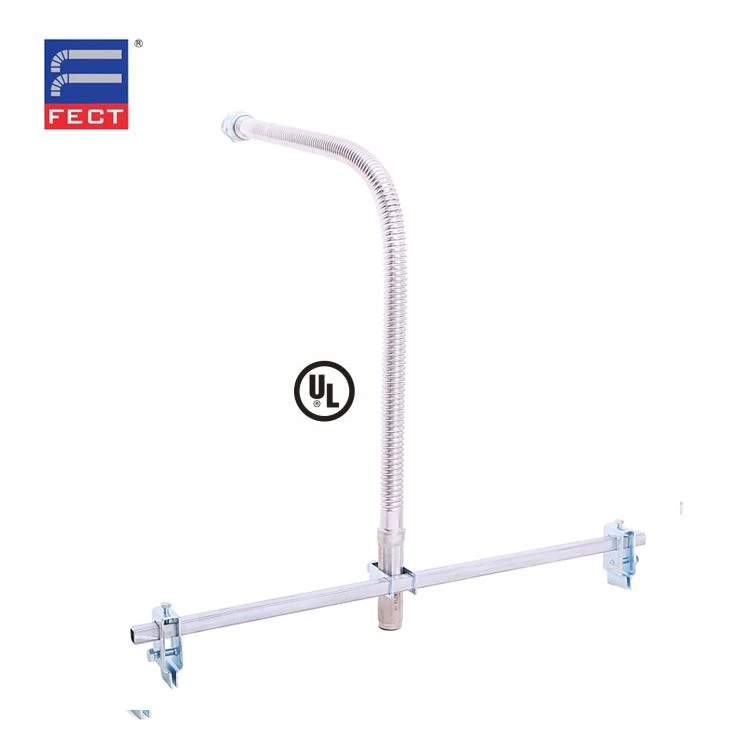
- Activate the Sprinkler System: In a controlled environment, activate the sprinkler system to see if the hose and the sprinklers are working properly. Make sure that all the sprinklers are spraying water evenly and that there are no dry spots.
- Check the Response Time: The sprinkler system should respond quickly in case of a fire. Measure the time it takes for the sprinklers to start spraying water after the system is activated. If the response time is too long, there could be a problem with the control valve or the water supply.
Conclusion
Troubleshooting a fire sprinkler hose isn't rocket science, but it does require a systematic approach. By following these steps, you can identify and fix most problems with your fire sprinkler hoses. Remember, fire safety is no joke, and a properly functioning sprinkler system can save lives and property.
If you're having trouble troubleshooting your fire sprinkler hoses or if you need to purchase new hoses, don't hesitate to reach out. We're here to help you ensure that your fire sprinkler system is in top - notch condition. Contact us for more information and to discuss your procurement needs.
References
- National Fire Protection Association (NFPA) standards for fire sprinkler systems
- Manufacturer's guidelines for fire sprinkler hoses


