


Determining the number of steel flat pallets required for a specific quantity of goods is a crucial aspect of efficient logistics and warehousing. As a seasoned supplier of steel flat pallets, I understand the significance of this calculation in optimizing storage space, ensuring safe transportation, and minimizing costs. In this blog post, I will guide you through the process of calculating the number of steel flat pallets needed for your goods, taking into account various factors such as the size and weight of the goods, the dimensions of the pallets, and the stacking requirements.
Understanding the Basics of Steel Flat Pallets
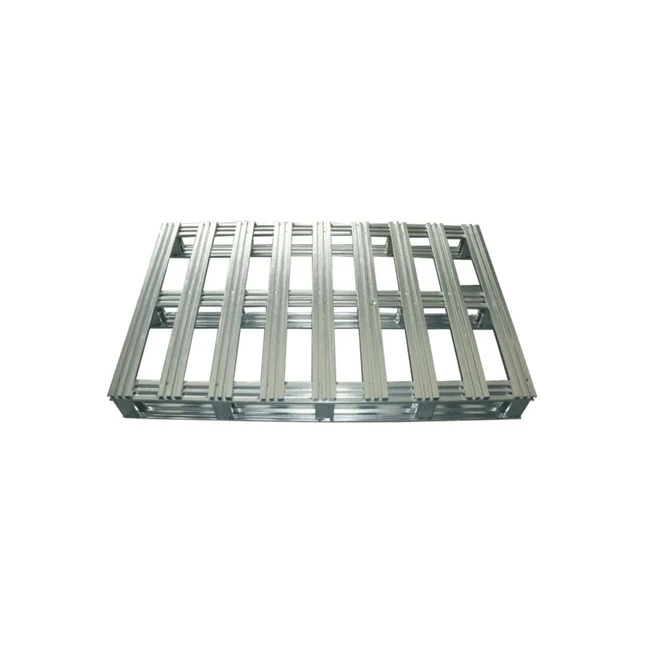
Before we delve into the calculations, let's first understand the basics of steel flat pallets. Steel flat pallets are a type of industrial pallet made from high-quality steel. They are known for their durability, strength, and resistance to wear and tear, making them ideal for heavy-duty applications. Steel flat pallets come in various sizes and designs, including Metal Pallets with Side, which offer additional stability and protection for the goods.
Factors to Consider When Calculating the Number of Pallets
To accurately determine the number of steel flat pallets needed for your goods, you need to consider the following factors:
1. Size and Dimensions of the Goods
The first step is to measure the length, width, and height of the goods you need to palletize. This will help you determine the most suitable pallet size and the number of goods that can be placed on each pallet. For example, if you have rectangular boxes with dimensions of 24 inches (length) x 18 inches (width) x 12 inches (height), you need to find a pallet that can accommodate these dimensions without overhanging.

2. Weight of the Goods
In addition to the size, you also need to consider the weight of the goods. Steel flat pallets have a maximum weight capacity, which varies depending on the design and construction of the pallet. Make sure to choose a pallet with a weight capacity that can safely support the total weight of the goods placed on it. Overloading a pallet can lead to structural damage, instability, and potential safety hazards.
3. Pallet Dimensions
The dimensions of the steel flat pallets you choose will also affect the number of pallets needed. Common pallet sizes include 48 inches x 40 inches, 42 inches x 42 inches, and 36 inches x 36 inches. Select a pallet size that is compatible with your goods and the handling equipment used in your warehouse or transportation system.
4. Stacking Requirements
If you plan to stack the pallets, you need to consider the stacking height and the stability of the stack. The stacking height is limited by the weight capacity of the pallets and the strength of the goods. Make sure to follow the manufacturer's guidelines for stacking and use appropriate stacking equipment, such as pallet racks or forklifts, to ensure the safety of the stack.
5. Loading Pattern
The way you load the goods onto the pallets can also impact the number of pallets needed. There are several loading patterns, such as straight stacking, pinwheel stacking, and interlocking stacking. Choose a loading pattern that maximizes the use of the pallet surface area and ensures the stability of the load.
Calculating the Number of Pallets
Once you have gathered all the necessary information, you can calculate the number of steel flat pallets needed for your goods using the following steps:
Step 1: Determine the Pallet Capacity
Based on the size and weight of the goods, choose a suitable pallet size and determine its capacity. For example, if you have a 48 inches x 40 inches pallet with a weight capacity of 4,000 pounds, you need to calculate how many of your goods can fit on this pallet without exceeding its weight capacity.
Step 2: Calculate the Number of Goods per Pallet
Divide the maximum weight capacity of the pallet by the weight of each individual good to determine the number of goods that can be placed on each pallet. For example, if each good weighs 50 pounds and the pallet has a weight capacity of 4,000 pounds, you can place 80 goods on each pallet (4,000 / 50 = 80).
Step 3: Determine the Total Number of Goods
Count the total number of goods you need to palletize.
Step 4: Calculate the Number of Pallets
Divide the total number of goods by the number of goods per pallet to calculate the number of pallets needed. For example, if you have 800 goods and each pallet can hold 80 goods, you will need 10 pallets (800 / 80 = 10).
Example Calculation
Let's say you have a shipment of 500 boxes, each measuring 18 inches x 12 inches x 10 inches and weighing 30 pounds. You decide to use 48 inches x 40 inches steel flat pallets with a weight capacity of 3,500 pounds.
- First, calculate the number of boxes that can fit on each pallet based on the size. You can arrange the boxes in rows and columns to maximize the use of the pallet surface area. Let's assume you can fit 20 boxes on each pallet.
- Next, check if the weight of the 20 boxes does not exceed the weight capacity of the pallet. The total weight of 20 boxes is 20 x 30 = 600 pounds, which is well below the 3,500-pound weight capacity of the pallet.
- Finally, calculate the number of pallets needed. Divide the total number of boxes (500) by the number of boxes per pallet (20). So, you will need 25 pallets (500 / 20 = 25).
Additional Considerations
In addition to the calculations, there are a few other factors to keep in mind when determining the number of steel flat pallets needed:
- Spare Pallets: It's a good idea to have some spare pallets on hand to account for any unexpected damage or additional goods that may need to be palletized.
- Pallet Availability: Make sure to check the availability of the pallets you need. Some pallet sizes or designs may be in high demand and may require a longer lead time for production or delivery.
- Cost: Consider the cost of the pallets, including the purchase price, shipping costs, and any additional fees. Compare prices from different suppliers to get the best deal.
Conclusion
Calculating the number of steel flat pallets needed for a certain amount of goods is a critical step in ensuring efficient logistics and warehousing operations. By considering the size, weight, dimensions, stacking requirements, and loading pattern of the goods, you can accurately determine the number of pallets needed and choose the most suitable pallet size and design. As a steel flat pallet supplier, I am here to assist you in making the right decisions and providing you with high-quality pallets that meet your specific needs.
If you have any questions or need further assistance in calculating the number of pallets for your goods, please feel free to contact me. I would be happy to discuss your requirements and provide you with a customized solution. Let's work together to optimize your logistics and storage processes and achieve greater efficiency and cost savings.
References
- "Pallet Design and Dimensions." Material Handling Institute.
- "Warehouse Management: Best Practices for Palletization." Logistics Management Magazine.
- "Steel Pallets: A Guide to Selection and Use." Industrial Pallet Association.


