


Hey there! I'm a supplier of Fire Sprinkler Flex Hoses, and I often get asked about how often these hoses should be replaced. It's a super important question, because getting the replacement schedule right can mean the difference between a fully functional fire sprinkler system and one that might let you down when you need it most.
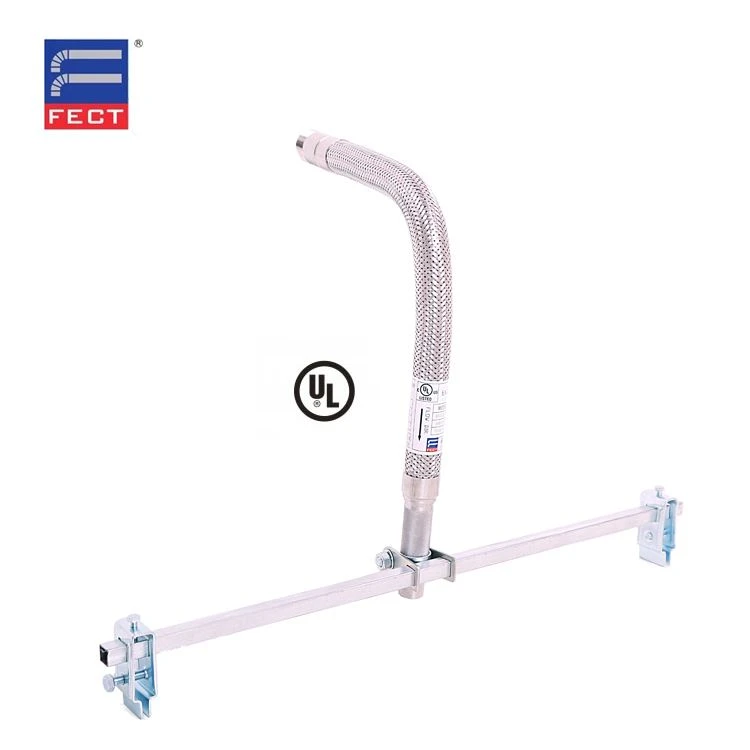
First off, let's talk a bit about what Fire Sprinkler Flex Hoses are. These hoses are a crucial part of fire sprinkler systems. They connect the sprinkler heads to the main water supply pipes. You can check out more about them on our website Fire Sprinkler Flexible Hose. They're designed to be flexible, which makes installation easier and allows for some movement without breaking the connection. This flexibility is really handy, especially in buildings where there might be some minor structural shifts over time.
Now, onto the big question: how often should they be replaced? Well, there's no one - size - fits - all answer. A bunch of factors come into play when deciding on the replacement interval.
Environmental Conditions
The environment where the fire sprinkler system is installed has a huge impact. If the hoses are in a place with high humidity, they're more likely to corrode. Corrosion can weaken the hose over time, making it more prone to leaks. For example, in a coastal area where the air is salty and moist, or in a building with a lot of steam, like a sauna or a commercial kitchen, the hoses will face more challenges. In these harsh environments, it's a good idea to replace the Fire Sprinkler Flex Hose every 5 - 7 years.
On the other hand, if the hoses are installed in a dry, climate - controlled environment, like an office building with proper HVAC systems, they'll last longer. In such ideal conditions, you might be able to stretch the replacement interval to 10 - 15 years.
Water Quality
The quality of the water running through the hoses also matters. Water with high levels of minerals, like calcium and magnesium, can cause scale buildup inside the hoses. This scale can restrict the flow of water and put extra stress on the hose material. In areas with hard water, you might need to replace the hoses more frequently, maybe every 7 - 10 years.
If the water is treated properly and has low levels of contaminants, the hoses will have a longer lifespan. Some buildings use water softeners or filtration systems to improve water quality, which can really help extend the life of the fire sprinkler flex hoses.
Usage Frequency
You might think that fire sprinkler systems are only used in case of a fire, but that's not entirely true. Regular testing and maintenance often involve running water through the system. If the system is tested frequently, say every few months, the hoses will experience more wear and tear. Each time water flows through, it puts pressure on the hose, and over time, this can cause small cracks or weaken the connections. In a building with a high - frequency testing schedule, it's advisable to replace the hoses every 8 - 10 years.
Physical Damage
Accidental physical damage can also shorten the lifespan of fire sprinkler flex hoses. During construction work or building renovations, the hoses might get bumped, bent, or scratched. Even a small scratch can create a weak point where corrosion can start. If you notice any signs of physical damage, like dents or cuts, it's best to replace the hose right away.

Manufacturer's Recommendations
The manufacturers of the Fire Sprinkler Flexible Drop Hose usually provide some guidelines on replacement intervals. These recommendations are based on their testing and research. It's always a good idea to follow these guidelines as a starting point. Some manufacturers might suggest replacing the hoses every 10 years under normal conditions, but remember, you still need to consider the factors I mentioned earlier.
Regular Inspections
Regular inspections are key to determining when it's time to replace the hoses. A professional inspection should be done at least once a year. During these inspections, the inspector will look for signs of corrosion, leaks, and physical damage. They'll also check the connections to make sure they're tight and secure. If they find any issues, they can recommend whether the hose needs to be replaced immediately or if it can wait a little longer.
So, as you can see, there are a lot of things to think about when it comes to replacing fire sprinkler flex hoses. It's not a simple matter of following a fixed schedule. You need to take into account the environment, water quality, usage frequency, and any signs of damage.
If you're responsible for a building's fire sprinkler system, it's important to stay on top of these things. A well - maintained fire sprinkler system can save lives and protect property in case of a fire. And if you're in the market for new fire sprinkler flex hoses, we're here to help. We offer high - quality hoses that meet all the necessary safety standards. Whether you need a single hose for a small project or a large quantity for a big building, we've got you covered.
If you have any questions about our products or need advice on replacement schedules, feel free to reach out. We're always happy to chat and help you make the best decisions for your fire safety needs. Let's work together to keep your buildings safe!
References
- National Fire Protection Association (NFPA) Standards
- Manufacturer's product manuals for fire sprinkler flex hoses
- Industry research on fire sprinkler system maintenance


