


Hey there! As a supplier of wire mesh containers, I often get asked about how to add partitions to these containers. It's a great way to organize your storage and make the most of your space. In this blog post, I'll walk you through the process step by step.
Why Add Partitions to a Wire Mesh Container?
Before we dive into the how-to, let's talk about why you might want to add partitions in the first place. Wire mesh containers are already pretty versatile. They're used in warehouses, factories, and even retail stores for storing all sorts of stuff. But when you add partitions, you can:
- Improve Organization: Keep different items separate and easily accessible. No more digging through a jumbled mess to find what you need.
- Maximize Space: Use the container's interior more efficiently by creating smaller compartments for items of different sizes.
- Protect Goods: Partitions can prevent items from shifting and getting damaged during storage or transportation.
What You'll Need
To add partitions to a wire mesh container, you'll need a few tools and materials:
- Partition Panels: These can be made of wire mesh, metal, or even plastic, depending on your needs. You can usually find pre - made panels or cut them to size yourself.
- Fasteners: You'll need something to attach the partitions to the container. This could be wire ties, clips, or bolts.
- Measuring Tools: A tape measure or ruler to ensure your partitions fit correctly.
- Cutting Tools: If you're cutting your own panels, you'll need a pair of wire cutters or a saw, depending on the material.
Step 1: Measure the Container
The first step is to measure the inside of your wire mesh container. You need to know the length, width, and height so you can cut your partition panels to the right size. Measure at several points to account for any irregularities in the container's shape.
For example, if you're using a Wire Mesh Pallet Cage, it might have a standard size, but it's still important to double - check. Measure from the bottom of the container to the top, and from one side to the other. Write down your measurements so you don't forget them.
Step 2: Cut the Partition Panels
Once you have your measurements, it's time to cut your partition panels. If you're using pre - made panels, make sure they match your measurements. If not, use your cutting tools to cut the panels to size.
If you're using wire mesh panels, be careful when cutting. The edges can be sharp, so wear gloves to protect your hands. Cut the panels slightly smaller than your measurements to allow for easy installation.
Step 3: Plan the Partition Layout
Before you start attaching the partitions, plan out how you want to arrange them inside the container. Think about the size and shape of the items you'll be storing. For example, if you're storing small parts, you might want to create several small compartments. If you're storing larger items, you can create fewer, larger partitions.
You can use a piece of paper to sketch out your layout. This will help you visualize how the partitions will fit and make sure you're using the space efficiently.
Step 4: Attach the Partitions
Now it's time to attach the partitions to the container. Start by placing the first partition panel in position. Use your fasteners to secure it to the sides and bottom of the container.
If you're using wire ties, wrap them around the wires of the container and the partition panel and twist them tightly. If you're using clips, simply snap them onto the wires. If you're using bolts, drill holes in the container and the partition panel and then insert the bolts.
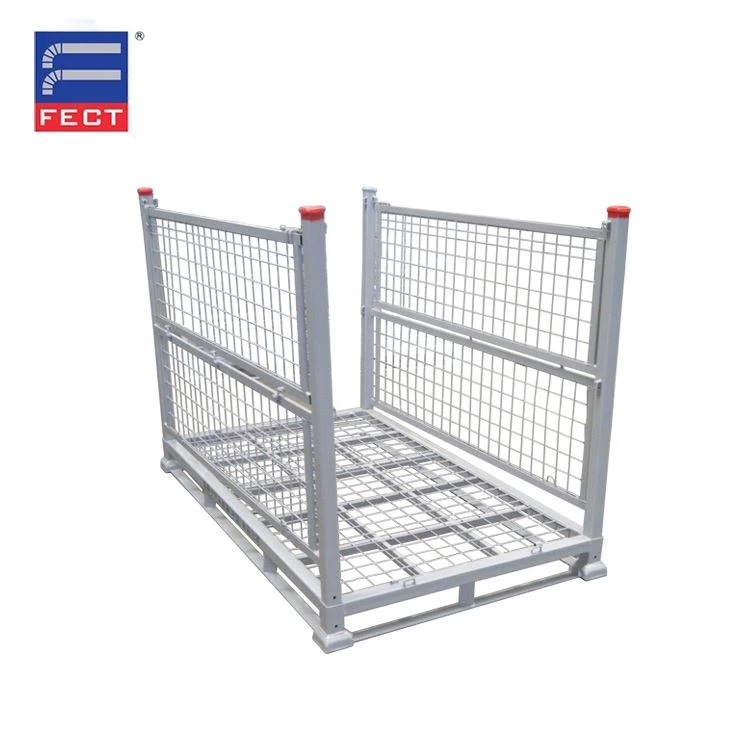

Work your way through each partition panel, attaching them one by one according to your layout. Make sure the partitions are straight and secure.
Step 5: Check and Adjust
Once you've attached all the partitions, check to make sure they're all in place and secure. Try to move the partitions slightly to see if they're loose. If they are, tighten the fasteners.
Also, check that the partitions don't interfere with the container's doors or other features. If they do, you may need to adjust the position of the partitions or trim them slightly.
Tips and Tricks
- Use Corner Braces: If you want to make your partitions even more stable, you can use corner braces. These are small metal or plastic pieces that you can attach to the corners of the partitions to give them extra support.
- Label the Compartments: To make it even easier to find what you're looking for, label each compartment. You can use sticky labels or a marker to write the names of the items stored in each section.
- Consider Removable Partitions: If you think you might need to change the layout of your container in the future, consider using removable partitions. You can use clips or other fasteners that are easy to remove and re - attach.
Different Types of Wire Mesh Containers and Partition Compatibility
There are various types of wire mesh containers, and the way you add partitions can vary depending on the type. For example, Metal Pallet Cage and Metal Storage Wire Mesh Pallet have different structures.
Metal pallet cages usually have a more robust frame, which means you can use stronger fasteners like bolts to attach the partitions. They're also often taller, so you might need to use longer partitions.
Metal storage wire mesh pallets are usually flatter and more suitable for storing smaller items. You can use smaller partitions to create multiple compartments on the pallet surface.
Conclusion
Adding partitions to a wire mesh container is a great way to improve organization and make the most of your storage space. By following these steps, you can easily customize your container to meet your specific needs.
If you're interested in purchasing wire mesh containers or partition panels, feel free to reach out. We have a wide range of products to choose from, and our team can help you find the right solution for your business. Whether you're a small business owner or a large - scale warehouse manager, we're here to assist you. So, don't hesitate to contact us for more information and to start your procurement process.
References
- General knowledge about wire mesh container usage and modification in warehouse and storage settings.
- Industry best practices for storage organization using wire mesh containers.


