


As a stainless steel pipes supplier, I've witnessed firsthand the intricate relationship between water quality and the performance of stainless steel pipes. The quality of water flowing through these pipes can have a profound impact on their longevity, functionality, and overall performance. In this blog post, I'll delve into the various aspects of how water quality affects stainless steel pipes and why it's crucial for both suppliers and consumers to understand these dynamics.
Chemical Composition of Water
The chemical composition of water is one of the primary factors that influence the behavior of stainless steel pipes. Water can contain a wide range of dissolved substances, including minerals, salts, acids, and alkalis. These substances can react with the stainless steel surface, leading to corrosion, scaling, or other forms of degradation.
One of the most common forms of corrosion in stainless steel pipes is pitting corrosion. Pitting corrosion occurs when chloride ions in the water react with the chromium oxide layer on the surface of the stainless steel, breaking it down and exposing the underlying metal to further attack. This can result in the formation of small pits or holes in the pipe wall, which can eventually lead to leaks or failures.
Another form of corrosion that can occur in stainless steel pipes is crevice corrosion. Crevice corrosion occurs in areas where there is a stagnant or low-flow environment, such as in the gaps between pipes or fittings. In these areas, the concentration of dissolved substances can increase, leading to the formation of a corrosive environment. Crevice corrosion can be particularly problematic in stainless steel pipes because it can be difficult to detect and can cause significant damage before it becomes apparent.
In addition to corrosion, the chemical composition of water can also affect the scaling behavior of stainless steel pipes. Scaling occurs when dissolved minerals in the water precipitate out of solution and form a hard, mineral deposit on the surface of the pipe. Scaling can reduce the flow capacity of the pipe, increase energy consumption, and cause damage to the pipe wall over time.
pH Level of Water
The pH level of water is another important factor that can affect the performance of stainless steel pipes. The pH level of water is a measure of its acidity or alkalinity, with a pH of 7 being neutral. Water with a pH below 7 is considered acidic, while water with a pH above 7 is considered alkaline.
Stainless steel pipes are generally resistant to corrosion in a wide range of pH levels, but they are most resistant to corrosion in a slightly alkaline environment. In an acidic environment, the chromium oxide layer on the surface of the stainless steel can be broken down, making the pipe more susceptible to corrosion. In an alkaline environment, the chromium oxide layer can be strengthened, providing better protection against corrosion.
However, it's important to note that the pH level of water is not the only factor that affects the corrosion resistance of stainless steel pipes. Other factors, such as the presence of chloride ions or other aggressive substances, can also have a significant impact on the corrosion behavior of the pipes.
Temperature of Water
The temperature of water can also affect the performance of stainless steel pipes. Higher temperatures can increase the rate of corrosion and scaling in stainless steel pipes, while lower temperatures can reduce the rate of these processes.
At higher temperatures, the chemical reactions between the water and the stainless steel surface can occur more rapidly, leading to increased corrosion and scaling. In addition, higher temperatures can also reduce the solubility of dissolved minerals in the water, leading to increased scaling.
On the other hand, lower temperatures can reduce the rate of corrosion and scaling in stainless steel pipes. However, it's important to note that extremely low temperatures can also cause problems, such as embrittlement of the stainless steel or the formation of ice in the pipes.
Microbiological Activity in Water
Microbiological activity in water can also have a significant impact on the performance of stainless steel pipes. Microorganisms, such as bacteria and fungi, can grow on the surface of the pipes and form biofilms. Biofilms are slimy, sticky layers of microorganisms and their extracellular products that can adhere to the pipe wall and provide a protective environment for the microorganisms.
Biofilms can cause a number of problems in stainless steel pipes, including corrosion, scaling, and reduced flow capacity. The microorganisms in the biofilm can produce acids and other corrosive substances that can attack the stainless steel surface, leading to corrosion. In addition, the biofilm can also act as a barrier to the flow of water, reducing the flow capacity of the pipe.
Impact on Product Selection
As a stainless steel pipes supplier, understanding the impact of water quality on stainless steel pipes is crucial for selecting the right product for each application. Different grades of stainless steel have different levels of corrosion resistance, and it's important to choose a grade that is suitable for the specific water quality conditions.
For example, in applications where the water contains high levels of chloride ions, such as in coastal areas or in industrial applications, a higher grade of stainless steel, such as 316 or 316L, may be required. These grades of stainless steel contain higher levels of molybdenum, which provides better resistance to pitting and crevice corrosion in chloride-containing environments.
In applications where the water is acidic or contains other aggressive substances, a grade of stainless steel with a higher chromium content, such as 304 or 304L, may be more suitable. These grades of stainless steel provide better resistance to corrosion in acidic environments.
In addition to choosing the right grade of stainless steel, it's also important to consider other factors, such as the pipe diameter, wall thickness, and jointing method. These factors can also affect the performance of the pipes and should be carefully considered based on the specific application requirements.
Impact on Maintenance and Monitoring
Understanding the impact of water quality on stainless steel pipes is also important for maintenance and monitoring. Regular maintenance and monitoring can help to detect and prevent problems before they become serious.
One of the most important maintenance tasks for stainless steel pipes is to keep the pipes clean and free of debris. This can help to prevent the formation of biofilms and reduce the risk of corrosion and scaling. In addition, regular inspections of the pipes can help to detect any signs of corrosion or other damage, allowing for timely repairs or replacements.
Monitoring the water quality is also important for ensuring the long-term performance of stainless steel pipes. This can involve testing the water for pH, chloride levels, and other parameters on a regular basis. By monitoring the water quality, it's possible to identify any changes or trends that could indicate a potential problem and take appropriate action to prevent it.
Conclusion
In conclusion, the quality of water flowing through stainless steel pipes can have a significant impact on their performance and longevity. The chemical composition, pH level, temperature, and microbiological activity of the water can all affect the corrosion resistance, scaling behavior, and overall performance of the pipes.

As a stainless steel pipes supplier, it's important to understand these factors and to choose the right product for each application. In addition, regular maintenance and monitoring can help to ensure the long-term performance of the pipes and prevent problems from occurring.
If you're in the market for stainless steel pipes or need more information about how water quality can affect their performance, please don't hesitate to [contact us for procurement discussion]. We're here to help you find the right solution for your needs.
References
- ASM Handbook Volume 13C: Corrosion: Stainless Steels. ASM International, 2010.
- Stainless Steel in Building Construction: A Guide for Architects, Designers, and Engineers. The Nickel Institute, 2008.
- Water Quality and Corrosion in Drinking Water Distribution Systems. American Water Works Association, 2007.
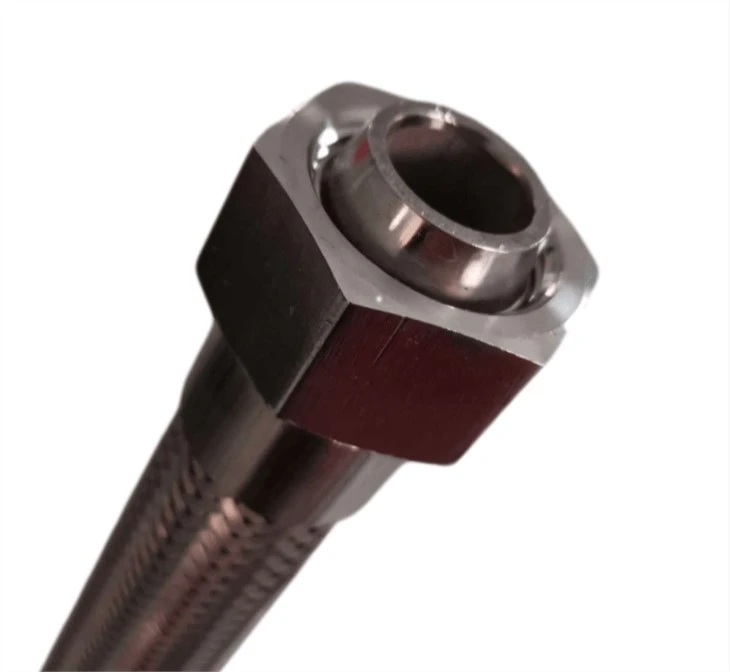
During the exploration of stainless - steel pipes, if you are also interested in related products, you can check out our 24 Degree Cone with O - ring Sealing Connector Steel Metal Hose, 24 Degree Cone with O - ring Sealing connector flexible metal corrugated hose assembly, and Stainless Steel Flexible Braided Metal Hose.


