


Maintaining a fire sprinkler hose pipe is crucial for ensuring the effectiveness of a fire protection system. As a supplier of high - quality fire sprinkler hose pipes, I understand the significance of proper maintenance. In this blog, I'll share some essential tips on how to maintain fire sprinkler hose pipes to keep them in optimal condition.
Regular Inspections
Regular inspections are the cornerstone of fire sprinkler hose pipe maintenance. These inspections should be carried out at least annually, but more frequent checks may be necessary depending on the environment in which the system is installed.
Visual Inspections
Visual inspections are the first step. Look for any signs of physical damage such as cuts, abrasions, or kinks in the hose pipe. These damages can weaken the hose and lead to leaks or even complete failure during a fire. Check the fittings as well. Loose or corroded fittings can cause water to leak out of the system, reducing its effectiveness.
For example, if you notice a small cut on the surface of the Stainless Steel Flexible Fire Sprinkler Hose, it might seem insignificant at first. However, over time, the pressure of the water flowing through the hose can cause the cut to expand, leading to a major leak.
Pressure Tests
Pressure tests are another important part of the inspection process. These tests help to identify any hidden leaks or weaknesses in the hose pipe. A professional should conduct a pressure test by filling the system with water and increasing the pressure to a specified level. The system should then be monitored for a set period to check for any drops in pressure, which could indicate a leak.
Cleaning and Flushing
Cleaning and flushing the fire sprinkler hose pipes are essential to prevent the buildup of debris and sediment. Over time, dirt, rust, and other particles can accumulate inside the pipes, blocking the flow of water and reducing the efficiency of the sprinkler system.
Flushing the System
Flushing the system involves running water through the pipes at a high flow rate to remove any debris. This should be done at least once a year, or more often if the water supply contains a high level of sediment. When flushing the system, make sure to open all the valves and allow the water to flow freely through the pipes for a sufficient amount of time.
Cleaning the Fittings
The fittings of the fire sprinkler hose pipes also need to be cleaned regularly. Use a soft brush and a mild cleaning solution to remove any dirt or corrosion from the fittings. Make sure to dry the fittings thoroughly after cleaning to prevent rusting.
Environmental Considerations
The environment in which the fire sprinkler hose pipes are installed can have a significant impact on their lifespan and performance.
Temperature
Extreme temperatures can affect the integrity of the hose pipes. In cold climates, the water inside the pipes can freeze, causing the pipes to burst. To prevent this, the pipes should be properly insulated. In hot climates, the heat can cause the rubber components of the hose to deteriorate more quickly. Make sure to choose a hose pipe that is suitable for the temperature range of the installation environment.

Chemical Exposure
Exposure to chemicals can also damage the fire sprinkler hose pipes. If the pipes are installed in an area where they may come into contact with chemicals, such as in a factory or a laboratory, make sure to choose a hose pipe that is resistant to chemical corrosion.
Storage and Handling
Proper storage and handling of fire sprinkler hose pipes are important to prevent damage before installation.
Storage
When storing the hose pipes, make sure to keep them in a cool, dry place away from direct sunlight and heat sources. Coil the hoses neatly and store them on a flat surface to prevent kinking. Avoid storing the hoses in areas where they may be subjected to physical damage, such as near heavy machinery or sharp objects.
Handling
During installation and maintenance, handle the hose pipes with care. Avoid dragging the hoses across rough surfaces, as this can cause abrasions. When connecting or disconnecting the fittings, use the appropriate tools and follow the manufacturer's instructions to prevent damage.
Training and Documentation
Proper training of the personnel responsible for maintaining the fire sprinkler hose pipes is essential. They should be trained on how to conduct inspections, perform pressure tests, clean the system, and handle any issues that may arise.
Documentation
Keep detailed records of all maintenance activities, including inspections, pressure tests, cleaning, and repairs. This documentation can be useful for demonstrating compliance with safety regulations and for tracking the history of the system. It can also help in identifying any recurring problems and taking appropriate measures to address them.
Choosing the Right Hose Pipe
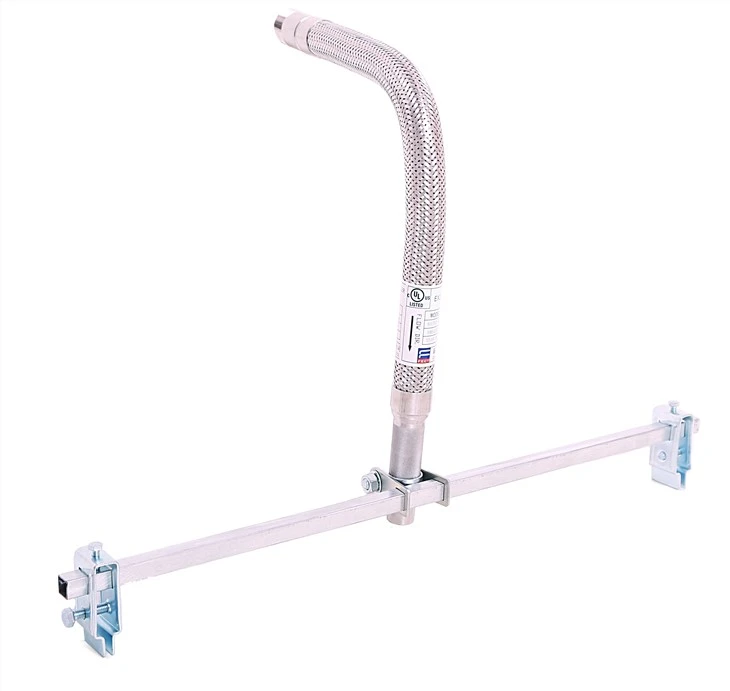
As a supplier, I offer a wide range of fire sprinkler hose pipes, such as the Flexible Sprinkler Hose With Fittings And Anchoring System For Fire Protection Service and the Fire Sprinkler Flexible Drop Hose. When choosing a hose pipe, consider factors such as the size of the area to be protected, the type of fire hazard, and the environmental conditions.
In conclusion, maintaining a fire sprinkler hose pipe is a multi - faceted process that requires regular inspections, cleaning, consideration of environmental factors, proper storage and handling, and well - trained personnel. By following these guidelines, you can ensure that your fire sprinkler system remains in good working condition and provides reliable protection in case of a fire.
If you are interested in purchasing high - quality fire sprinkler hose pipes or need more information about maintenance, feel free to contact us for a detailed discussion. We are committed to providing you with the best products and services to meet your fire protection needs.
References
- National Fire Protection Association (NFPA). NFPA 13: Standard for the Installation of Sprinkler Systems.
- Manufacturer's manuals for fire sprinkler hose pipes.
- Industry best practices for fire protection system maintenance.


