

As a supplier of metal flexible hoses, I understand the importance of proper maintenance to ensure the longevity and optimal performance of these essential components. Metal flexible hoses are widely used in various industries, including automotive, aerospace, chemical, and manufacturing, due to their flexibility, durability, and resistance to high temperatures and pressures. In this blog post, I will share some valuable tips on how to maintain a metal flexible hose effectively.
Understanding the Basics of Metal Flexible Hoses
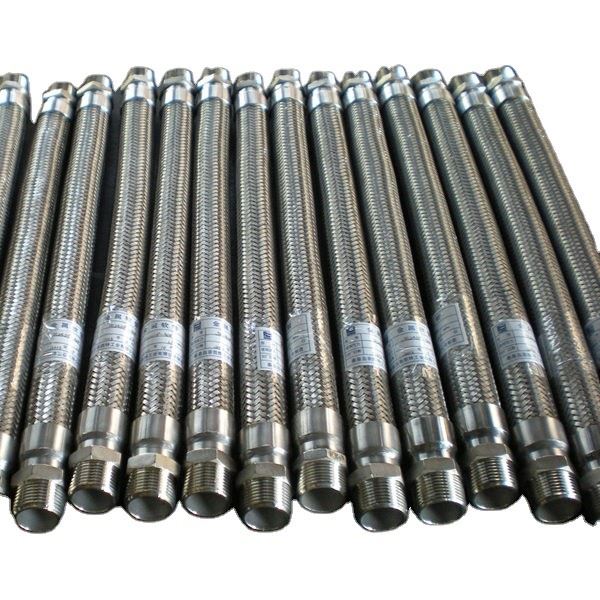
Before delving into maintenance tips, it's crucial to have a basic understanding of metal flexible hoses. These hoses are typically made from stainless steel, such as Sus304, 316, or 316l, which offer excellent corrosion resistance and strength. Sus304 316 316l Flexible Metal Hose are available in different types, including Flexible Braided Metal Hose and Standard Corrugated Metal Hose With Spiral Wave Type. Each type has its unique features and applications, so it's essential to choose the right hose for your specific needs.
Regular Inspection
Regular inspection is the first and most crucial step in maintaining a metal flexible hose. Inspect the hose visually for any signs of damage, such as cracks, leaks, or abrasions. Pay close attention to the connections, fittings, and braids, as these are the areas most prone to wear and tear. Check for any signs of corrosion, which can weaken the hose and lead to failure. If you notice any damage or abnormalities during the inspection, replace the hose immediately to prevent further issues.

Cleaning and Flushing
Cleaning and flushing the metal flexible hose regularly is essential to remove any dirt, debris, or contaminants that may accumulate inside the hose. Use a mild detergent and warm water to clean the hose, and rinse it thoroughly to remove any soap residue. Avoid using harsh chemicals or abrasive cleaners, as these can damage the hose. Flush the hose with clean water to remove any remaining debris or contaminants.
Proper Installation
Proper installation is crucial to ensure the optimal performance and longevity of a metal flexible hose. Follow the manufacturer's instructions carefully when installing the hose, and use the correct fittings and connections. Make sure the hose is not over-tightened or under-tightened, as this can cause damage to the hose or the fittings. Avoid bending the hose at sharp angles or kinking it, as this can restrict the flow of fluid or gas and cause damage to the hose.
Protection from External Factors
Protect the metal flexible hose from external factors, such as heat, moisture, and chemicals. Avoid exposing the hose to high temperatures or direct sunlight, as this can cause the hose to deteriorate and lose its flexibility. If the hose is exposed to moisture or chemicals, clean it immediately to prevent corrosion. Use protective covers or insulation to protect the hose from external factors.
Pressure and Temperature Monitoring
Monitor the pressure and temperature of the fluid or gas flowing through the metal flexible hose regularly. Make sure the pressure and temperature are within the recommended range for the hose. If the pressure or temperature exceeds the recommended range, it can cause the hose to fail or burst. Install pressure and temperature gauges to monitor the conditions and take appropriate action if necessary.
Replacement of Worn Parts
Replace any worn or damaged parts of the metal flexible hose immediately. This includes fittings, connections, braids, and gaskets. Using worn or damaged parts can cause the hose to fail or leak, which can lead to safety hazards and costly repairs. Make sure to use high-quality replacement parts that are compatible with the hose.
Training and Education
Provide training and education to your employees on the proper maintenance and use of metal flexible hoses. Make sure they understand the importance of regular inspection, cleaning, and flushing, as well as the proper installation and protection of the hose. Train them on how to identify signs of damage or wear and tear and how to take appropriate action.
Conclusion
Maintaining a metal flexible hose is essential to ensure its longevity and optimal performance. By following these tips, you can extend the life of your hose and prevent costly repairs and replacements. Remember to choose the right hose for your specific needs, inspect it regularly, clean and flush it, install it properly, protect it from external factors, monitor the pressure and temperature, replace worn parts, and provide training and education to your employees. If you have any questions or need further assistance, please feel free to contact us. We are a leading supplier of metal flexible hoses and can provide you with high-quality products and expert advice.
References
- Manufacturer's instructions and guidelines for metal flexible hoses
- Industry standards and best practices for maintaining metal flexible hoses
- Technical literature and research on the performance and durability of metal flexible hoses