


Rust is a common and persistent problem that can significantly affect the lifespan and performance of metal box pallets. As a dedicated Metal Box Pallet supplier, I understand the importance of preventing rust to ensure our products maintain their quality and functionality. In this blog post, I'll share some effective strategies on how to prevent rust on metal box pallets.
Understanding Rust
Before we delve into prevention methods, it's crucial to understand what rust is. Rust is the result of a chemical reaction known as oxidation. When iron or steel (which are commonly used in metal box pallets) comes into contact with oxygen and water, a series of chemical reactions occur, leading to the formation of iron oxide, which we recognize as rust. This process not only weakens the metal's structure but also makes the pallet less aesthetically pleasing.
Surface Preparation
Proper surface preparation is the first step in preventing rust. Before applying any protective coatings, the metal surface must be clean and free of contaminants. This can be achieved through several methods:
Cleaning
- Degreasing: Use a degreaser to remove any oils, greases, or dirt from the metal surface. This can be done by applying the degreaser with a brush or cloth and then rinsing it off with clean water.
- Abrasive Cleaning: For more stubborn contaminants, abrasive cleaning methods can be used. Sandblasting or wire brushing can effectively remove rust, scale, and old paint from the metal surface. However, these methods should be used with caution to avoid damaging the metal.
Surface Treatment
After cleaning, the metal surface can be treated to improve its corrosion resistance. One common method is phosphating. Phosphating involves applying a phosphate coating to the metal surface, which creates a barrier between the metal and the environment, reducing the likelihood of rust formation.
Protective Coatings
Applying a protective coating is one of the most effective ways to prevent rust on metal box pallets. There are several types of coatings available, each with its own advantages and disadvantages.
Paint
- Epoxy Paint: Epoxy paint is a popular choice for metal box pallets due to its excellent adhesion and corrosion resistance. It forms a hard, durable coating that can withstand harsh environmental conditions.
- Polyurethane Paint: Polyurethane paint offers good flexibility and UV resistance, making it suitable for outdoor applications. It also provides a high-gloss finish, which can enhance the appearance of the pallet.
Powder Coating
Powder coating is a dry finishing process that involves applying a fine powder to the metal surface. The powder is then heated, causing it to melt and form a smooth, durable coating. Powder coating offers several advantages over traditional paint, including better adhesion, greater durability, and a more environmentally friendly process.
Galvanizing
Galvanizing is a process in which a layer of zinc is applied to the metal surface to protect it from rust. There are two main types of galvanizing: hot-dip galvanizing and electro-galvanizing.
- Hot-Dip Galvanizing: In hot-dip galvanizing, the metal is dipped into a bath of molten zinc. This process creates a thick, durable zinc coating that provides long-term corrosion protection.
- Electro-Galvanizing: Electro-galvanizing involves applying a thin layer of zinc to the metal surface using an electric current. While electro-galvanizing is less expensive than hot-dip galvanizing, it provides less corrosion protection.
Environmental Control
Controlling the environment in which the metal box pallets are stored and used can also help prevent rust.
Storage Conditions
- Dry Environment: Metal box pallets should be stored in a dry environment to minimize exposure to moisture. If possible, pallets should be stored indoors or under a covered area.
- Ventilation: Proper ventilation is important to prevent the buildup of moisture and humidity. Ensure that the storage area is well-ventilated to allow air to circulate freely.
Handling and Use
- Avoid Contact with Water: During handling and use, metal box pallets should be kept away from water as much as possible. If the pallets do get wet, they should be dried thoroughly as soon as possible.
- Protect from Chemicals: Metal box pallets should be protected from contact with chemicals that can cause corrosion. This includes cleaning agents, fertilizers, and industrial chemicals.
Regular Inspection and Maintenance
Regular inspection and maintenance are essential to ensure that metal box pallets remain rust-free.
Inspection
- Visual Inspection: Conduct regular visual inspections of the metal box pallets to check for signs of rust or damage. Look for any areas where the protective coating may have been damaged or where rust may be starting to form.
- Testing: In some cases, it may be necessary to conduct more detailed testing to assess the condition of the pallets. This can include using a rust detector or performing a corrosion test.
Maintenance
- Touch-Up Coating: If any areas of the protective coating are damaged, they should be touched up immediately to prevent rust from forming. Use a paint or coating that is compatible with the existing coating.
- Repair or Replacement: If a metal box pallet is severely rusted or damaged, it may need to be repaired or replaced. In some cases, it may be more cost-effective to replace the pallet rather than attempting to repair it.
Conclusion
Preventing rust on metal box pallets is essential to ensure their longevity and performance. By following the strategies outlined in this blog post, including proper surface preparation, applying protective coatings, controlling the environment, and conducting regular inspection and maintenance, you can significantly reduce the risk of rust formation.
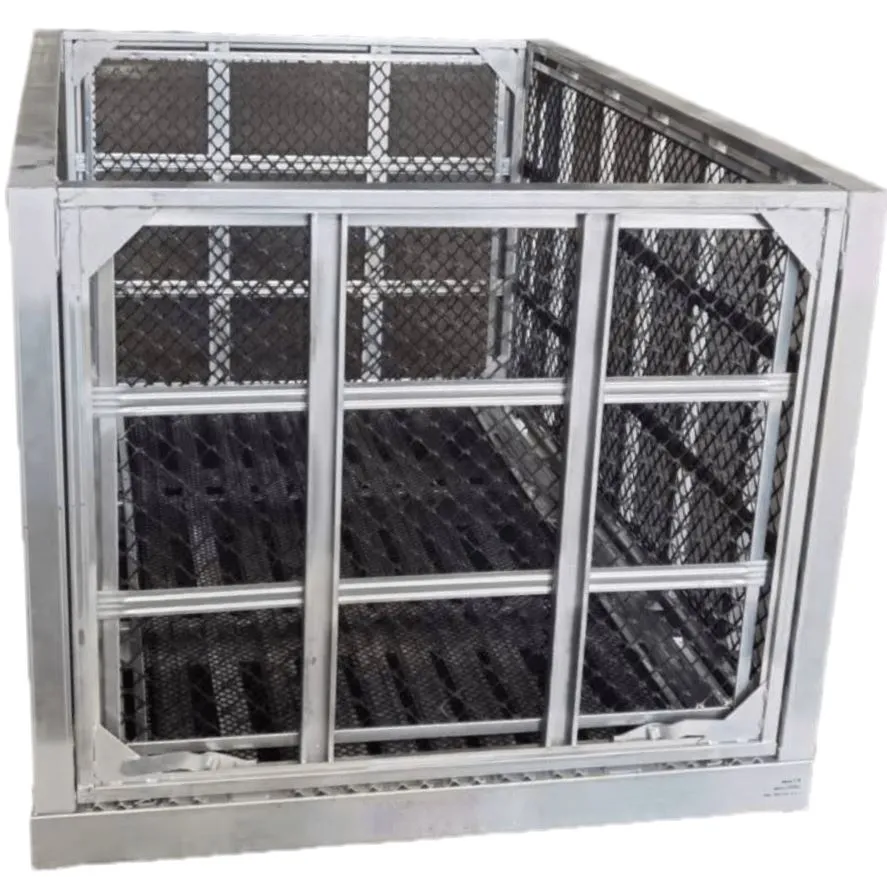
As a Metal Box Pallet supplier, we are committed to providing high-quality products that are resistant to rust and other forms of corrosion. Our Metal Vegetable And Fruit Box is designed to meet the needs of various industries, offering durability, reliability, and long-term performance.
If you're interested in learning more about our metal box pallets or have any questions about rust prevention, please don't hesitate to contact us. We're here to help you find the best solutions for your needs.
References
- "Corrosion Basics" by NACE International
- "Handbook of Corrosion Engineering" by Pierre R. Roberge
- "Surface Treatment and Finishing of Aluminum and Its Alloys" by Frank W. Hartley


