

The wear and tear rate of metal pallet racks is a crucial factor for businesses relying on these storage solutions. As a supplier of Metal Pallet Racks, I've witnessed firsthand the impact of wear and tear on the performance and longevity of these essential storage assets. In this blog, we'll delve into what the wear and tear rate of metal pallet racks entails, the factors that influence it, and how to manage it effectively.
Understanding Wear and Tear in Metal Pallet Racks
Wear and tear refer to the gradual deterioration of metal pallet racks over time due to regular use, environmental factors, and other stressors. This deterioration can manifest in various forms, including corrosion, deformation, and structural damage. The wear and tear rate, therefore, is a measure of how quickly these changes occur and how they affect the functionality and safety of the racks.
Types of Wear and Tear
- Corrosion: One of the most common forms of wear and tear in metal pallet racks is corrosion. Exposure to moisture, chemicals, and other corrosive substances can cause the metal to rust and weaken over time. This is particularly prevalent in environments with high humidity or where the racks are exposed to harsh chemicals, such as in industrial settings or near coastal areas.
- Deformation: Metal pallet racks are designed to withstand a certain amount of weight and stress. However, overloading the racks or improper handling can cause the frames and beams to bend or warp. This deformation can compromise the structural integrity of the racks, making them unsafe for use.
- Structural Damage: Accidental impacts from forklifts or other equipment can also cause structural damage to metal pallet racks. This can include dents, cracks, or broken welds, which can significantly reduce the load-bearing capacity of the racks and increase the risk of collapse.
Factors Influencing the Wear and Tear Rate
Several factors can influence the wear and tear rate of metal pallet racks. Understanding these factors can help businesses take proactive measures to minimize the rate of deterioration and extend the lifespan of their racks.
Usage Frequency and Intensity
The more frequently and intensively the metal pallet racks are used, the higher the wear and tear rate is likely to be. For example, in a high-volume warehouse where forklifts are constantly moving pallets in and out of the racks, the racks will experience more stress and impact compared to a low-volume storage facility.
Load Capacity and Distribution
Overloading the racks beyond their recommended load capacity is one of the leading causes of premature wear and tear. It's essential to ensure that the weight of the pallets is evenly distributed across the racks to prevent excessive stress on any one area. Additionally, using pallets that are too large or too small for the racks can also contribute to uneven weight distribution and increase the risk of damage.
Environmental Conditions
As mentioned earlier, environmental factors such as humidity, temperature, and exposure to chemicals can have a significant impact on the wear and tear rate of metal pallet racks. Racks located in areas with high humidity are more prone to corrosion, while those exposed to extreme temperatures can experience thermal expansion and contraction, which can cause structural damage over time.
Maintenance and Inspection
Regular maintenance and inspection are crucial for identifying and addressing wear and tear issues before they become major problems. This includes cleaning the racks to remove dirt and debris, lubricating moving parts, and conducting visual inspections to check for signs of corrosion, deformation, or structural damage. Neglecting maintenance can significantly accelerate the wear and tear rate of the racks.
Measuring the Wear and Tear Rate
Measuring the wear and tear rate of metal pallet racks can be challenging, as it involves assessing multiple factors and variables. However, there are several methods that can be used to estimate the rate of deterioration.
Visual Inspection
Regular visual inspections are the most basic and cost-effective way to assess the wear and tear of metal pallet racks. During these inspections, trained personnel can look for signs of corrosion, deformation, and structural damage, such as rust spots, bent beams, or cracked welds. By documenting these findings over time, businesses can track the progression of wear and tear and identify any trends or patterns.
Load Testing
Load testing involves applying a known load to the racks to determine their current load-bearing capacity. This can help identify any reduction in capacity due to wear and tear and ensure that the racks are still safe for use. Load testing should be conducted by a qualified professional using appropriate equipment and procedures.
Non-Destructive Testing (NDT)
Non-destructive testing techniques, such as ultrasonic testing and magnetic particle testing, can be used to detect internal defects and damage in the metal without causing any harm to the racks. These methods are more accurate and reliable than visual inspection alone, but they can also be more expensive and time-consuming.
Managing the Wear and Tear Rate
To minimize the wear and tear rate of metal pallet racks and ensure their long-term performance and safety, businesses should implement a comprehensive maintenance and management plan.
Proper Installation and Setup
Ensuring that the metal pallet racks are installed correctly is the first step in preventing premature wear and tear. This includes following the manufacturer's installation instructions, using the appropriate hardware and fasteners, and ensuring that the racks are level and stable. Additionally, proper setup, such as using the correct pallet sizes and load distribution, can help reduce stress on the racks and extend their lifespan.
Regular Maintenance and Cleaning
Regular maintenance and cleaning are essential for keeping the metal pallet racks in good condition. This includes removing dirt, debris, and rust from the racks, lubricating moving parts, and tightening loose bolts and nuts. It's also important to inspect the racks regularly for signs of wear and tear and address any issues promptly.
Training and Education
Providing training and education to employees on proper handling and use of the metal pallet racks can also help reduce the wear and tear rate. This includes training on forklift operation, load management, and safety procedures. By ensuring that employees are aware of the proper practices, businesses can minimize the risk of accidental damage to the racks.
Replacement and Upgrades
Despite best efforts to maintain and manage the wear and tear of metal pallet racks, there will come a time when replacement or upgrades are necessary. This may be due to extensive damage, outdated technology, or changes in business needs. When replacing or upgrading the racks, it's important to choose high-quality products that are designed to withstand the specific requirements of the business.
Related Products
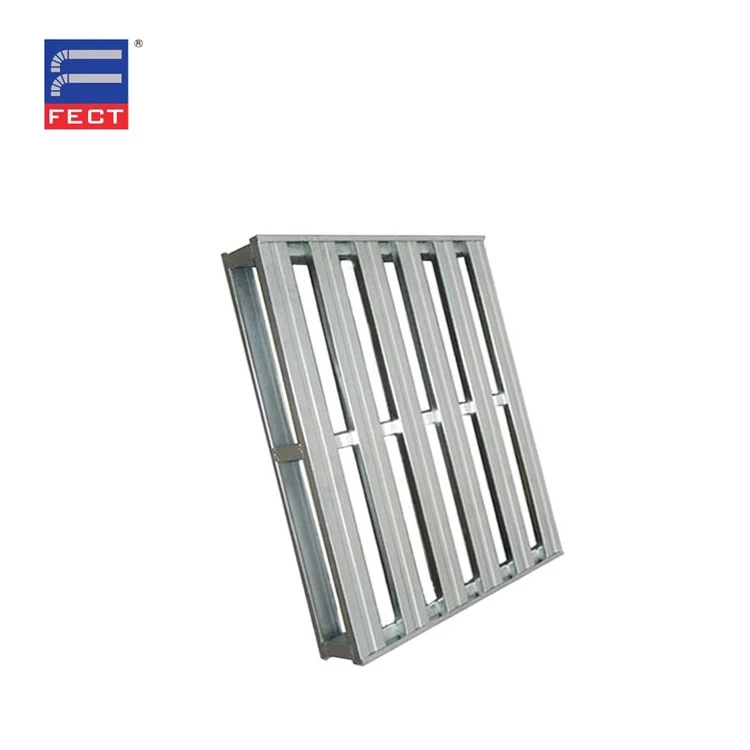
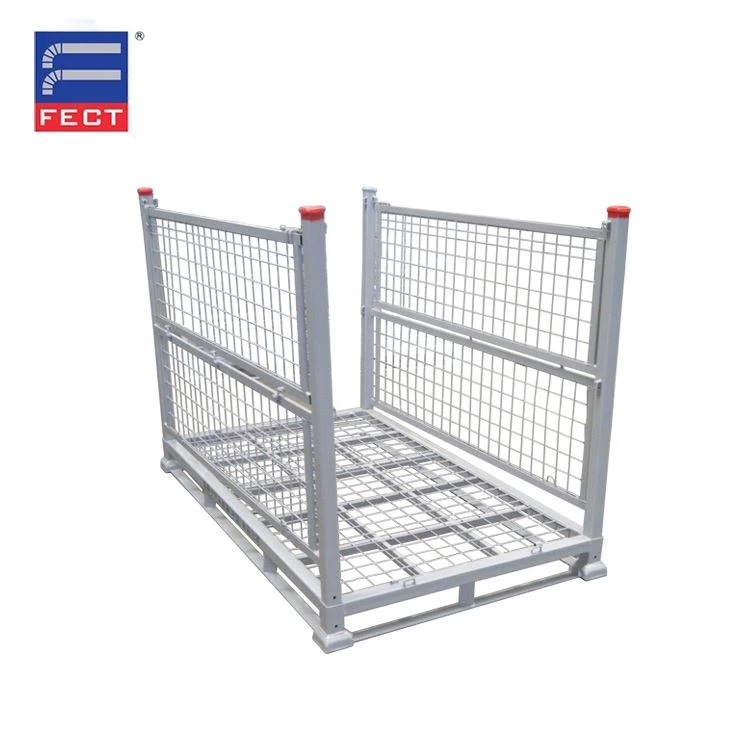
In addition to metal pallet racks, we also offer a range of related products that can enhance the functionality and efficiency of your storage system. These include Metal Pallet Cage, Sturdy Metal Pallet, and Collapsible Wire Mesh Container. These products are designed to work seamlessly with our metal pallet racks and provide additional storage solutions for your business.
Contact Us for Procurement
If you're interested in learning more about our metal pallet racks or any of our other products, we encourage you to contact us for procurement discussions. Our team of experts is ready to assist you in selecting the right storage solutions for your specific needs and budget. Whether you're looking to replace your existing racks, expand your storage capacity, or optimize your warehouse layout, we can provide you with the guidance and support you need.
References
- "Warehouse Storage Equipment: A Guide to Metal Pallet Racks" by Industry Publications
- "Best Practices for Maintaining and Inspecting Metal Pallet Racks" by Safety Standards Organizations
- "Factors Affecting the Lifespan of Metal Pallet Racks" by Academic Research Papers