

Hey there! As a supplier of Fire Sprinkler Hose Pipes, I often get asked about the regulations for using these crucial safety components on ships. In this blog, I'll break down the key rules and guidelines you need to know.
First off, why are fire sprinkler hose pipes so important on ships? Well, ships are like floating cities with all sorts of potential fire hazards. From engine rooms to cargo holds and passenger areas, a fire can spread quickly and cause massive damage. Fire sprinkler systems, with their hose pipes, are a front - line defense against these dangerous situations.
International Maritime Organization (IMO) Regulations
The International Maritime Organization sets a bunch of global standards for ship safety, and fire protection is a major part of that. The IMO's International Convention for the Safety of Life at Sea (SOLAS) is the big one here. It mandates that all ships must have proper fire protection systems in place, including fire sprinkler systems.
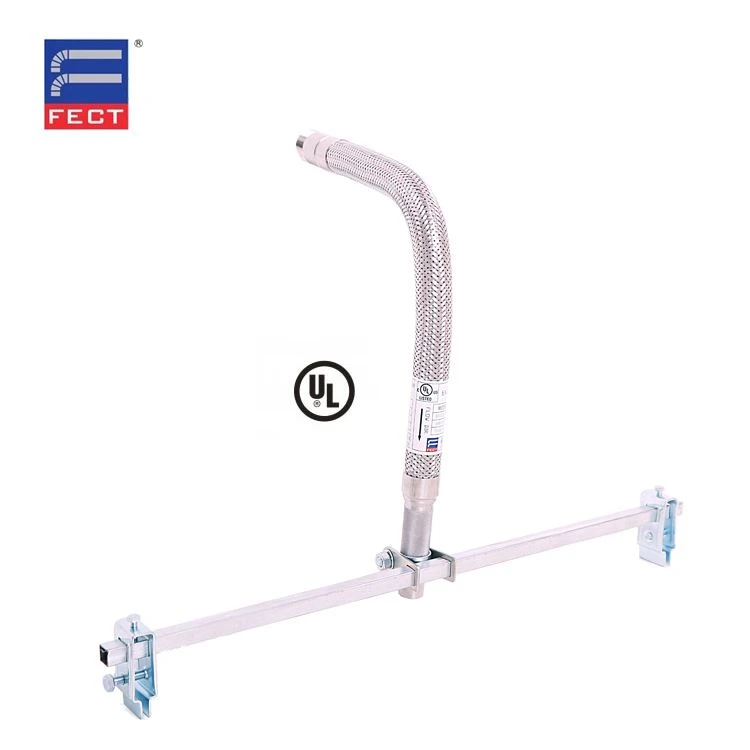
When it comes to the hose pipes used in these systems, SOLAS has some strict requirements. For starters, the materials used in the hose pipes need to be able to withstand the harsh marine environment. Saltwater, high humidity, and varying temperatures can all take a toll on the hoses. That's why most of the high - quality hoses, like our Stainless Steel Flexible Fire Sprinkler Hose, are made of stainless steel. Stainless steel is resistant to corrosion, which is super important for long - term use on ships.
SOLAS also requires that the fire sprinkler systems, including the hose pipes, be regularly inspected and maintained. This means that ship owners and operators need to have a schedule for checking the hoses for any signs of wear and tear, leaks, or blockages. If a problem is found, the hose needs to be replaced or repaired right away.
Classification Society Rules
Apart from the IMO regulations, ships are also subject to the rules of classification societies. These are independent organizations that assess and certify ships to ensure they meet certain safety and quality standards. Some well - known classification societies include Lloyd's Register, Bureau Veritas, and DNV GL.
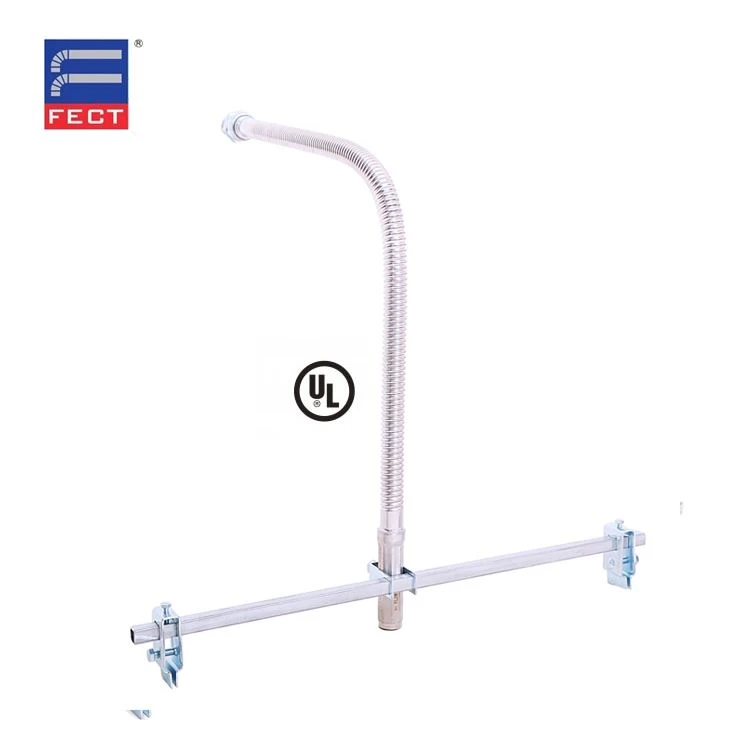
Each classification society has its own set of rules regarding fire sprinkler systems and hose pipes. For example, they might have specific requirements for the pressure ratings of the hoses. The pressure in a ship's fire sprinkler system can vary depending on the size and type of the ship, as well as the location of the sprinklers. Our Fire Sprinkler Flexible Hose is designed to handle a wide range of pressures, so it can meet the needs of different ships.
Classification societies also look at the installation of the hose pipes. The hoses need to be installed in a way that they won't be damaged easily. They should be properly supported and routed to avoid sharp bends or kinks that could restrict the flow of water. And of course, the connections between the hoses and other components of the sprinkler system need to be secure and leak - proof.
Local Regulations
In addition to the international and classification society rules, ships also have to follow the local regulations of the ports they visit. Different countries and regions might have their own specific requirements for fire safety on ships. For example, some ports might have stricter rules about the type of fire - fighting equipment that can be used on ships entering their waters.
It's really important for ship owners and operators to stay up - to - date with these local regulations. Failure to comply can result in fines, delays, or even being denied entry to a port. That's why having high - quality, compliant fire sprinkler hose pipes, like our Fire Sprinkler Flexible Drop Hose, is so crucial.
Testing and Certification
All fire sprinkler hose pipes used on ships need to be tested and certified to meet the relevant standards. This includes tests for things like burst pressure, leakage, and flexibility. The hoses should be able to withstand a certain amount of pressure without bursting, and they shouldn't leak under normal operating conditions.
Certification is usually provided by independent testing laboratories. For example, UL (Underwriters Laboratories) is a well - known certification body. Our hoses are UL - certificated, which means they've been tested and meet the high - quality standards set by UL. This certification gives ship owners and operators peace of mind knowing that the hoses they're using are reliable and safe.
Training and Usage
It's not just about having the right hose pipes; the crew on the ship also needs to be trained on how to use the fire sprinkler system properly. They should know how to identify when the system is working correctly and what to do in case of a malfunction.
The crew should also be aware of the limitations of the fire sprinkler system. For example, the system might not be able to handle extremely large fires on its own. In such cases, additional fire - fighting measures, like using fire extinguishers or calling for external help, might be necessary.
Conclusion
So, there you have it - the main regulations for using fire sprinkler hose pipes on ships. It's a complex web of international, classification society, and local rules, but following them is essential for the safety of everyone on board.
As a supplier of high - quality fire sprinkler hose pipes, we're committed to providing products that meet all these regulations. Our Fire Sprinkler Flexible Drop Hose, Stainless Steel Flexible Fire Sprinkler Hose, and Fire Sprinkler Flexible Hose are all designed and tested to the highest standards.
If you're in the market for fire sprinkler hose pipes for your ship, don't hesitate to reach out. We can provide you with more information about our products and how they can meet your specific needs. Let's work together to keep your ships safe from fires.
References
- International Maritime Organization (IMO), International Convention for the Safety of Life at Sea (SOLAS)
- Classification society rules from Lloyd's Register, Bureau Veritas, DNV GL
- Underwriters Laboratories (UL) standards and certifications


