

What is the chemical compatibility of a fire sprinkler flex hose?
As a supplier of Fire Sprinkler Flex Hoses, I've been asked numerous questions about the chemical compatibility of these crucial components in fire protection systems. Chemical compatibility is a vital factor that determines the longevity, performance, and safety of fire sprinkler flex hoses. In this blog, I'll delve into the details of chemical compatibility, why it matters, and how to ensure that your fire sprinkler flex hoses are well - suited for their intended environments.

Understanding Chemical Compatibility
Chemical compatibility refers to the ability of a material to resist the adverse effects of contact with various chemicals. In the context of fire sprinkler flex hoses, this means that the hose material should not degrade, corrode, or react with the substances it comes into contact with, such as the water in the sprinkler system, additives in the water, and environmental chemicals.
The water used in fire sprinkler systems is not always pure. It may contain various chemicals, including corrosion inhibitors, scale inhibitors, and biocides. These additives are used to prevent the corrosion of pipes, the formation of scale, and the growth of bacteria and other microorganisms. However, if the fire sprinkler flex hose is not chemically compatible with these additives, it can lead to problems such as reduced hose strength, leaks, and premature failure.
Materials Used in Fire Sprinkler Flex Hoses and Their Chemical Resistance
Fire sprinkler flex hoses are typically made from materials such as stainless steel, rubber, and synthetic polymers. Each material has its own unique chemical resistance properties.
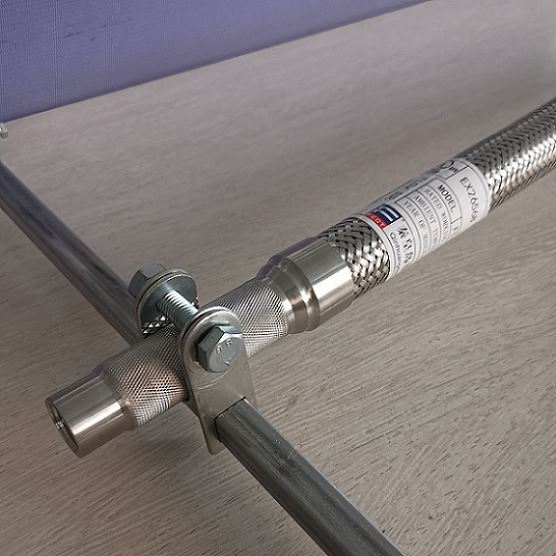
Stainless Steel: Stainless steel is a popular choice for fire sprinkler flex hoses due to its excellent corrosion resistance. It can withstand a wide range of chemicals, including water with common additives. For example, the Stainless Steel Flexible Fire Sprinkler Hose is highly resistant to oxidation and corrosion caused by water and mild chemicals. It is also resistant to high temperatures, which is important in a fire situation. However, some aggressive chemicals, such as strong acids and alkalis, can still cause corrosion in stainless steel over time.
Rubber: Rubber hoses are known for their flexibility and shock absorption. They can be chemically resistant to certain substances, but their resistance depends on the type of rubber used. For example, neoprene rubber is resistant to oils, ozone, and weathering, while EPDM rubber is resistant to water, steam, and many chemicals. However, rubber can be damaged by solvents, fuels, and some strong chemicals.
Synthetic Polymers: Synthetic polymers, such as PTFE (polytetrafluoroethylene), offer excellent chemical resistance. PTFE is resistant to almost all chemicals, including strong acids, alkalis, and solvents. It also has a low coefficient of friction, which allows for smooth flow of water in the hose. However, PTFE hoses can be more expensive than other types of hoses.
Factors Affecting Chemical Compatibility
Several factors can affect the chemical compatibility of a fire sprinkler flex hose.
Concentration of Chemicals: The higher the concentration of a chemical, the more likely it is to cause damage to the hose material. For example, a low - concentration solution of a mild acid may not have a significant effect on a stainless steel hose, but a high - concentration solution can cause corrosion.
Temperature: Higher temperatures can accelerate chemical reactions. If a fire sprinkler flex hose is exposed to high temperatures in addition to chemicals, the rate of degradation can increase significantly.
Exposure Time: The longer a hose is exposed to a chemical, the greater the chance of damage. Continuous exposure to a corrosive chemical can gradually weaken the hose material.
Importance of Chemical Compatibility in Fire Sprinkler Systems
Ensuring chemical compatibility in fire sprinkler systems is crucial for several reasons.
Safety: A fire sprinkler system is a safety device. If the fire sprinkler flex hose fails due to chemical incompatibility, it can compromise the effectiveness of the entire system. In a fire situation, a leaking or failed hose can prevent the proper distribution of water, which can lead to a delay in extinguishing the fire and increase the risk of property damage and injury.
Reliability: A chemically compatible fire sprinkler flex hose is more reliable. It is less likely to develop leaks or other problems over time, which means that the fire sprinkler system can operate as intended when needed.
Cost - Effectiveness: Using a chemically compatible fire sprinkler flex hose can save money in the long run. By preventing premature failure and the need for frequent replacements, it reduces maintenance costs and the disruption caused by system downtime.
How to Ensure Chemical Compatibility
As a supplier, we take several steps to ensure that our fire sprinkler flex hoses are chemically compatible with the environments in which they will be used.
Material Selection: We carefully select the materials for our hoses based on the expected chemical exposure. For example, if a customer's fire sprinkler system uses water with high levels of additives, we may recommend a stainless steel or PTFE hose.
Testing: We conduct rigorous testing on our hoses to ensure their chemical resistance. This includes exposing the hoses to various chemicals under controlled conditions and monitoring for any signs of degradation.
Customer Consultation: We work closely with our customers to understand their specific requirements. By knowing the type of water, additives, and environmental conditions in their fire sprinkler systems, we can provide the most suitable hose products. For example, our Fire Sprinkler Flexible Drop Hose and Flexible Sprinkler Hose With Fittings And Anchoring System For Fire Protection Service are designed to meet different needs and can be customized based on chemical compatibility requirements.
Conclusion
Chemical compatibility is a critical aspect of fire sprinkler flex hoses. As a supplier, we are committed to providing high - quality hoses that are chemically compatible with a wide range of environments. By understanding the chemical resistance properties of different materials, the factors affecting chemical compatibility, and the importance of ensuring compatibility, you can make informed decisions when selecting fire sprinkler flex hoses for your fire protection systems.
If you are in need of fire sprinkler flex hoses and want to discuss your specific chemical compatibility requirements, please feel free to contact us. We are here to help you choose the most suitable products for your needs.
References
- NFPA 13: Standard for the Installation of Sprinkler Systems
- ASTM International standards related to fire sprinkler hoses and materials
- Technical literature from hose material manufacturers


